New Zealand Travel Tips: 15 Essential Secrets You’ll Love
New Zealand travel tips are most useful when they help you make better choices, not when they turn a huge, varied country into a rigid checklist. I’d plan New Zealand around a few meaningful regions, allow breathing room between stops, and accept that weather may rearrange your day. That flexibility is part of the adventure.
New Zealand rewards independent travelers with dramatic landscapes, welcoming communities, excellent walking opportunities, and plenty of ways to travel on different budgets. It can also challenge your assumptions about distance, transport, changing conditions, and how much you can realistically fit into one trip. These 15 practical secrets will help you prepare with more confidence while leaving space for discovery.
Table of Contents
New Zealand Travel Tips For Building A Realistic Route
The best New Zealand travel tips begin with accepting that a map can make journeys look shorter and simpler than they feel in real life.
1. Choose Fewer Regions
New Zealand has more landscapes and outdoor experiences than most travelers can enjoy in one visit. Instead of trying to cover both islands from end to end, choose a smaller number of areas that match your interests. You might prioritize mountains and hiking, beaches and coastal towns, food and culture, or a mixture of all three.
I’d rather spend several unhurried days in one region than spend the whole trip packing, driving, and checking into somewhere new. A slower route also gives you a better chance of changing plans when rain, wind, tiredness, or an unexpected local recommendation appears.
2. Treat Distances Seriously
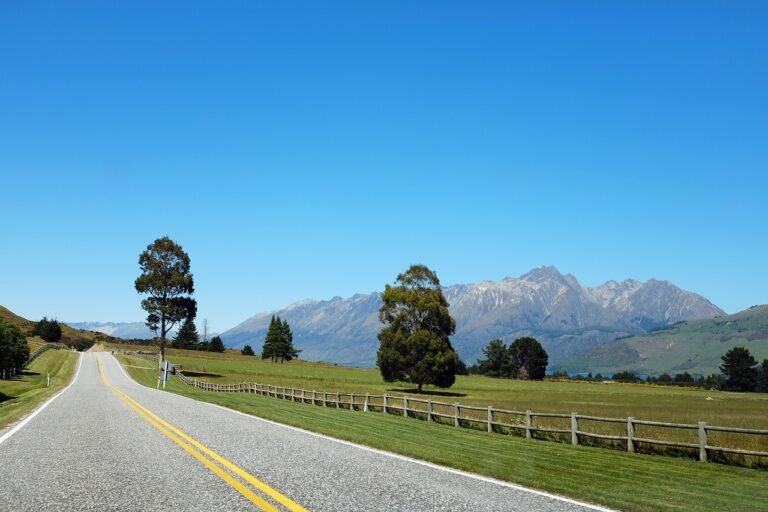
Roads can be winding, weather can affect progress, and scenic routes naturally invite stops. Do not plan every day around the shortest route shown by a map app. Add time for viewpoints, meals, roadworks, rest breaks, and the simple fact that you’re traveling to experience the landscape rather than merely pass through it.
When comparing destinations, ask yourself whether the journey is part of the experience or just a transfer. If it’s a transfer, a flight may save energy. If it’s a scenic road day, keep the schedule light enough to enjoy it.
3. Build In Buffer Days
A buffer day is one of the most valuable things you can pack. It can absorb a delayed connection, a washed-out plan, a longer-than-expected hike, or a day when you simply want to stay in one place. This is especially helpful if you have a fixed departure date or an important activity that depends on suitable conditions.
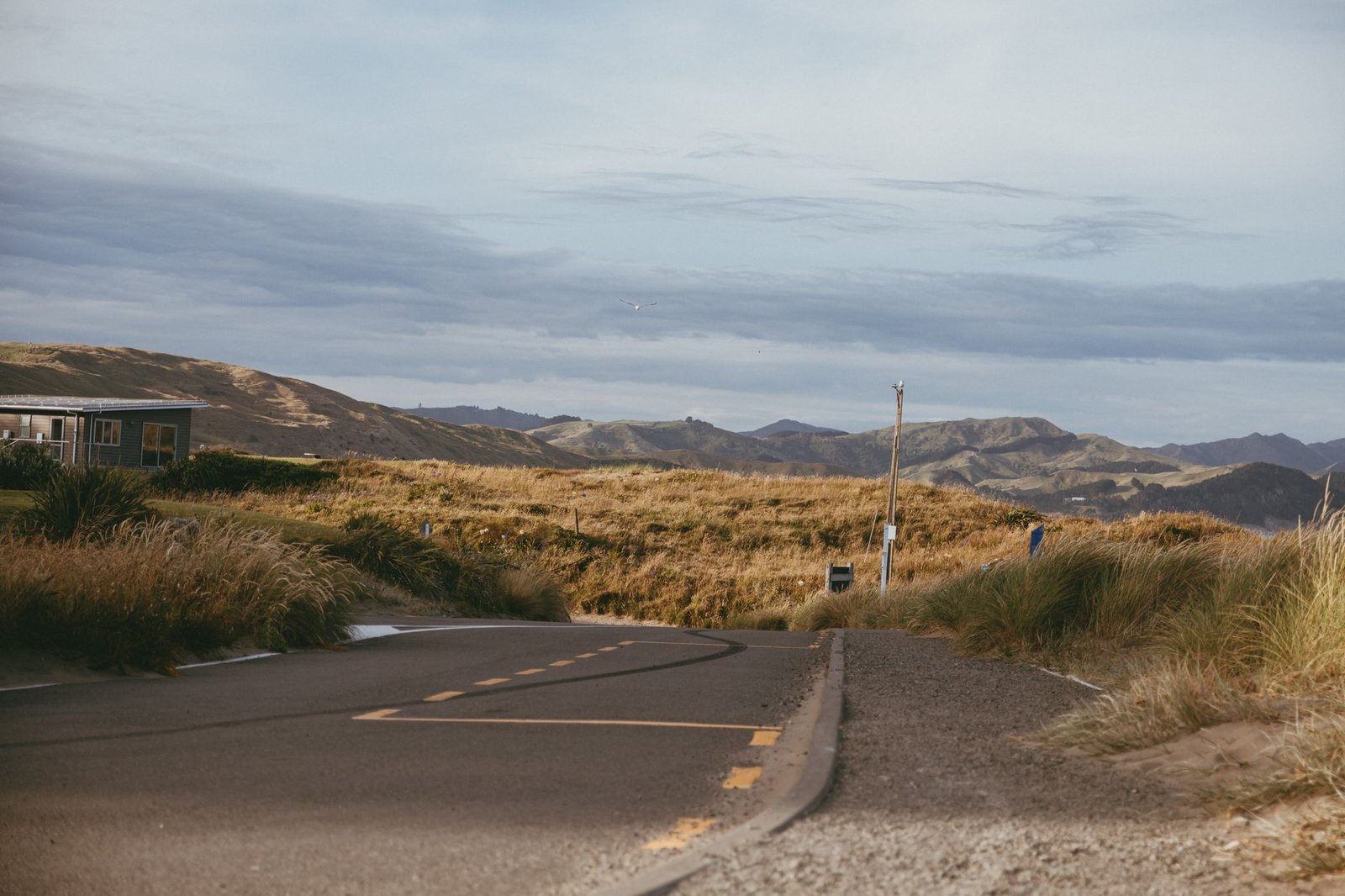
New Zealand Travel Tips For Transport And Budget
Practical New Zealand travel tips can save more money through thoughtful planning than through skipping every enjoyable experience.
4. Compare Flying, Driving, And Buses
There is no single best way to move around New Zealand. A rental vehicle offers flexibility for rural areas and early starts, while buses and organized excursions can reduce driving pressure. Flying may make sense when you want to connect distant parts of an itinerary without spending a full day in transit.
Before reserving anything, compare the complete cost rather than the headline price. Include luggage, fuel, insurance, transfers, parking, one-way vehicle charges, and the value of your time. If you rent a car, check the vehicle size, deposit, fuel policy, roadside assistance, and cancellation terms carefully. A smaller vehicle may be easier to handle, but it must still suit your luggage and route.
5. Book Popular Activities Early
Some activities have limited spaces or depend on seasonal conditions. If a particular walk, cruise, scenic flight, or guided experience is central to your trip, check its current availability before building the rest of your route around it. Keep a backup plan in case the activity is postponed or unsuitable on the day.
For flights and multi-city planning, you can compare New Zealand flight options on Aviasales. I’d compare dates and baggage rules first, then check the booking conditions before paying for a non-refundable fare.
6. Track Small Daily Costs
Accommodation and transport are obvious expenses, but food, fuel, parking, equipment, laundry, activity fees, and takeaway coffees can quietly reshape a budget. I like setting a daily allowance while keeping a separate fund for one or two experiences that genuinely matter to me.
Budget travel does not mean removing every pleasure. It might mean preparing some meals, choosing a hostel with a kitchen, mixing paid attractions with free walks, and staying longer in fewer places. The aim is to spend intentionally rather than react to costs halfway through the trip.
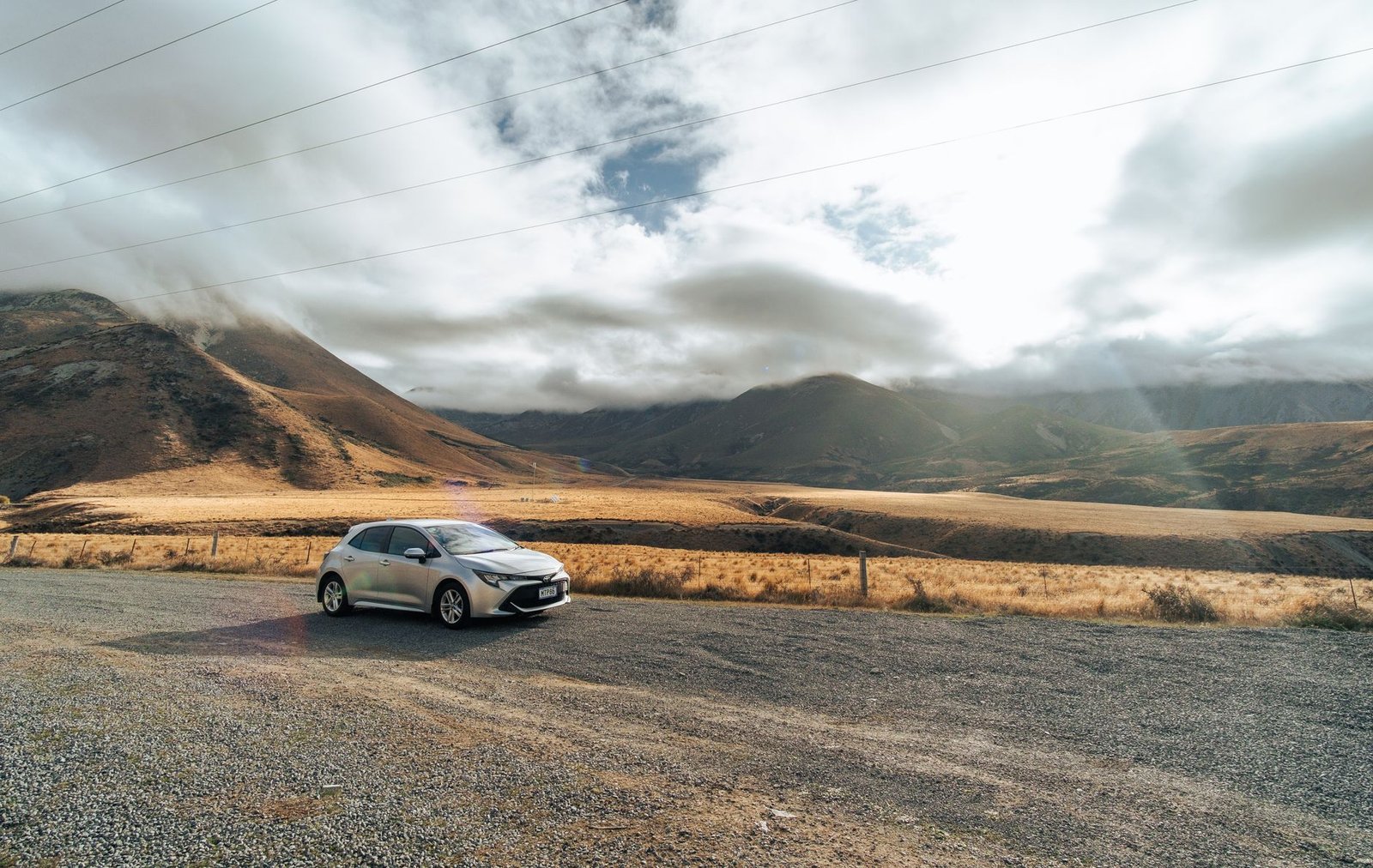
New Zealand Travel Tips For Weather, Walking, And Packing
The most useful New Zealand travel tips for outdoor days are simple: watch the forecast, pack layers, and choose activities that match your experience.
7. Pack For Four Seasons In A Day
Weather can change quickly, especially in exposed or mountainous areas. Pack a waterproof outer layer, warm layers, sun protection, comfortable walking shoes, and a small day bag. Even on a pleasant morning, conditions may feel very different later or at a higher elevation.
Keep important clothing and electronics protected from rain. A lightweight dry bag or waterproof pouch can be useful for documents, chargers, and snacks. You don’t need an enormous backpack; versatile layers are usually more practical than carrying a separate outfit for every possibility.
8. Choose Walks Honestly
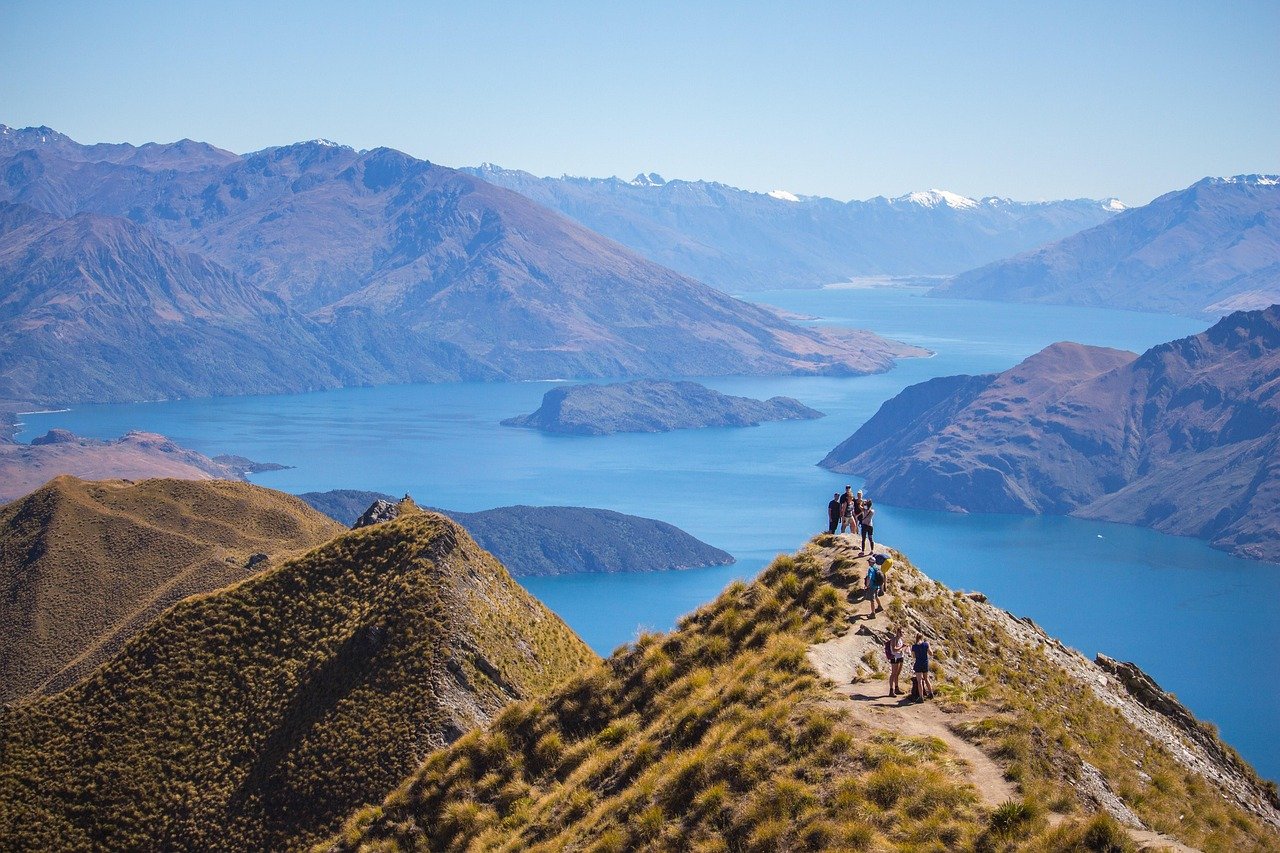
New Zealand’s walking routes vary widely. Before setting out, check the current route description, surface, elevation, expected conditions, facilities, and return logistics. Do not choose a walk solely because a photograph looks appealing or because someone online completed it quickly.
Carry enough water and food for your plan, tell someone where you’re going when appropriate, and turn back when conditions or energy levels make continuing unwise. A shorter walk enjoyed fully is better than a longer one that becomes stressful.
9. Respect The Environment
Stay on marked paths, take rubbish with you, avoid disturbing wildlife, and follow local restrictions around fires, drones, camping, and water access. Clean footwear and outdoor equipment when required to help protect fragile ecosystems. Travel with the attitude that you are visiting someone else’s home, because you are.
Small choices matter. Refill a bottle where appropriate, avoid single-use items when practical, and support local operators who explain how they care for the places they show visitors.
New Zealand Travel Tips Website Research That Actually Helps
A good New Zealand travel tips website should help you verify current conditions, not simply repeat an old itinerary.
10. Check Information Close To Your Travel Date
Use official visitor information, transport providers, accommodation businesses, and park or conservation authorities for details that can change. Confirm route access, weather warnings, closures, booking requirements, and transport arrangements shortly before you travel.
Travel blogs are excellent for ideas and personal perspective, but they may describe conditions from a different year. I use them to discover possibilities, then verify anything that affects timing, cost, access, or safety through the responsible current source.
11. Read Reviews For Patterns
Reviews are most helpful when several travelers mention the same practical detail. Look for repeated comments about location, noise, cleanliness, communication, parking, kitchen facilities, or the accuracy of activity descriptions. Treat one dramatic review as a prompt to investigate, not as the whole truth.
If you’re comparing planning resources, searches such as New Zealand travel tips website can lead you toward useful itinerary ideas. Check who published the information, when it was updated, and whether it distinguishes personal opinion from current guidance.
12. Use Social Advice Carefully
New Zealand travel tips reddit discussions and New Zealand travel tips facebook groups can be valuable for questions that official pages do not answer, such as what travelers packed, how they handled a long drive, or which neighborhoods suited their style. The advice is personal, so check dates and look for more than one perspective.
Do not share passport information, payment details, or private booking documents in public groups. Be especially cautious when someone offers a guaranteed deal, urgent transfer, or discount in exchange for payment outside a recognized booking process.

New Zealand Travel Tips For Solo Travelers And Local Connections
New Zealand travel tips for solo travelers should focus not only on logistics but also on creating natural opportunities to meet people.
13. Stay Social Without Losing Independence
Hostels, small-group excursions, shared kitchens, walking tours, and community events can make solo travel feel more connected. You don’t need to socialize every night. A short conversation over breakfast or a shared activity may be enough to turn an ordinary day into a more memorable one.
Choose accommodation according to the kind of trip you want. A social hostel can be useful when you want company, while a private room or quieter guesthouse may be better after several active days. Read the current property description and reviews rather than assuming every hostel has the same atmosphere.
14. Support Local Businesses
Eat at independent cafés, buy from local producers, join locally operated activities, and take time to learn about the communities you pass through. Ask before photographing people, homes, workplaces, or cultural performances. Curiosity is welcome when it is paired with respect.
New Zealand travel tips facebook conversations often include recommendations from residents and former travelers. Listen carefully, but remember that local knowledge is not an invitation to ignore rules or enter restricted places.
New Zealand Travel Tips For Smarter Planning
The final New Zealand travel tips are about protecting your energy, your documents, and your ability to change direction.
15. Keep Your Important Information Together
Save booking confirmations, insurance details, transport information, emergency contacts, and copies of important documents in a secure offline location. Keep the originals accessible while traveling, and do not rely entirely on mobile data or airport Wi-Fi.
For entry planning, our guide to organizing visa research and travel documents offers a useful general reminder: check requirements for your own passport and trip rather than copying another traveler’s checklist. The destination is different, but the habit of verifying information is just as valuable.
Leave Room For Unplanned Days
Some of my favorite travel decisions begin with a blank space in the itinerary. An unplanned day might become a local market visit, a longer lunch, a short walk, or simply a chance to recover. New Zealand is too varied to experience well while racing from one reservation to the next.
If you’re looking for examples of flexible city planning before or after a longer trip, you can browse our guides to things to do in Lisbon, Portugal, things to do in Porto, Portugal, and things to do in Madeira, Portugal. They’re different destinations, but each shows why grouping activities by area and leaving breathing room makes travel more enjoyable.
FAQ
What Are The Most Important New Zealand Travel Tips For First-Time Visitors?
The most important New Zealand travel tips are to choose fewer regions, allow extra time for road journeys, check weather and route information, pack flexible layers, and keep your itinerary adaptable. A realistic plan will serve you better than an ambitious list of every famous stop.
Is A New Zealand Travel Tips Discount Worth Looking For?
A New Zealand travel tips discount can be useful when it applies to an activity or booking you already want, but compare the final terms rather than the percentage shown in an advertisement. Check dates, exclusions, cancellation rules, and whether the discounted option includes everything you need. Treat New Zealand travel tips discount searches as a starting point, not proof that an offer is genuine.
How Should I Use New Zealand Travel Tips Reddit Advice?
Use New Zealand travel tips reddit threads to identify practical questions and traveler perspectives, then verify current details through the responsible official or commercial source. Advice about routes, conditions, prices, and availability can become outdated, so always check when a post was written.
Are New Zealand Travel Tips Facebook Groups Useful?
New Zealand travel tips facebook groups can help with packing ideas, itinerary feedback, and questions about different travel styles. Read several responses, protect your personal information, and avoid sending money to strangers who promise guaranteed bookings or special access.
When you’re ready to organize the practical side of your trip, compare flights with Aviasales and check New Zealand eSIM options with Airalo. Compare baggage, coverage, activation, cancellation, and regional details before booking. These tools can simplify planning, but the final choice should match your route and travel style.
What To Do Next With These New Zealand Travel Tips
Start by choosing the regions that genuinely interest you, then sketch a route with fewer stops than your first instinct suggests. Mark the activities that need advance planning, identify a weather-friendly backup for each outdoor highlight, and leave at least a little space for unexpected turns.
Next, compare transport and accommodation options, check current information close to departure, and prepare your documents offline. Use these New Zealand travel tips as a framework rather than a set of rules. The best trip will be the one that gives you enough structure to travel confidently and enough freedom to notice what happens along the way.
This post contains affiliate links. If you book through them, I may earn a small commission at no extra cost to you.