
Things to Do in Rome: 15 Amazing Experiences You’ll Love
Things to do in Rome range from standing beneath the Colosseum’s ancient arches to lingering over pasta in a neighborhood trattoria. What makes the city special to me as a travel destination is the way history keeps appearing in ordinary places: a fountain at the end of a street, a worn stone beside a café, or a quiet church you entered simply because the doors were open.
This guide brings together 15 experiences for first-time visitors, solo travelers, families, backpackers, and anyone who wants more from Rome than a hurried list of landmarks. I’ll help you balance famous sights with food, walking, local neighborhoods, and a little breathing room. If you’re comparing Italian city breaks, our guide to planning a flexible Vietnam itinerary is also useful inspiration for building a trip around experiences rather than constant movement.
Table of Contents
Things to Do in Rome for First-Time Visitors
The best things to do in Rome for a first visit combine the city’s major archaeological sites with long walks through its historic center.
1. Walk Around the Colosseum
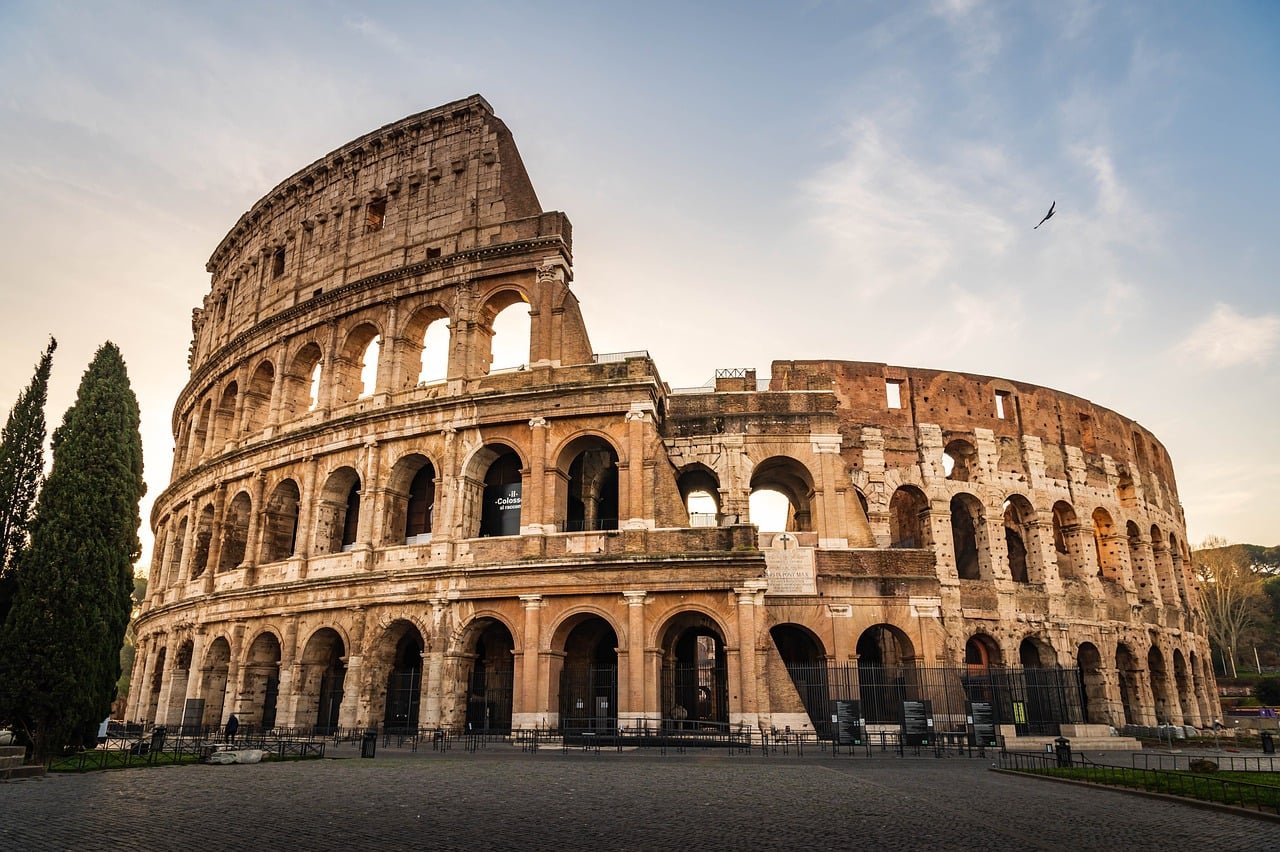
The Colosseum is an obvious starting point, but it deserves more than a quick photograph from outside. Walk around its immense exterior, notice how the scale changes from different angles, and give yourself time to imagine the layers of history held within the structure.
If you want to go inside, check the current ticket rules and entry arrangements before booking. Timed access and visitor requirements can change, and advance planning is especially helpful during busy travel periods. A guided visit may be worthwhile if you want the architecture and ancient history explained as you move through the site.
You can compare Rome Colosseum tours on Klook and check what each option includes. Look at the meeting point, duration, group size, access details, and cancellation conditions instead of choosing only by the headline price.
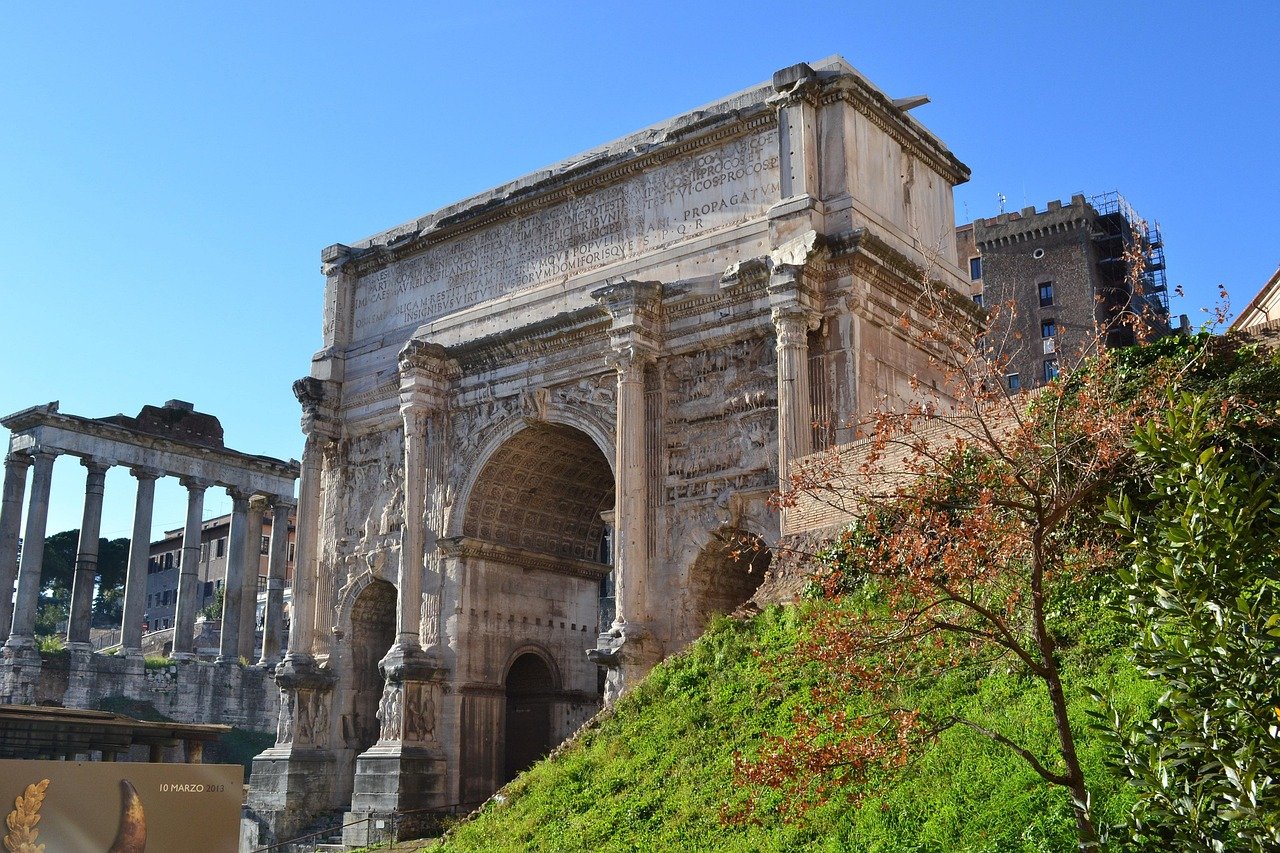
2. Explore the Roman Forum and Palatine Hill
The Roman Forum and Palatine Hill make the Colosseum area feel much larger and more layered. Broken columns, temples, paths, and elevated views turn the visit into an open-air history lesson, but I’d avoid rushing through it as if it were simply an extension of one attraction.
Wear shoes with good grip, carry water, and allow time for pauses. The site involves uneven surfaces and limited shade in places, so an early start or a slower plan can make the experience more comfortable. Read a little background before visiting, or use an audio guide, because the ruins become easier to understand when you know what you’re looking at.
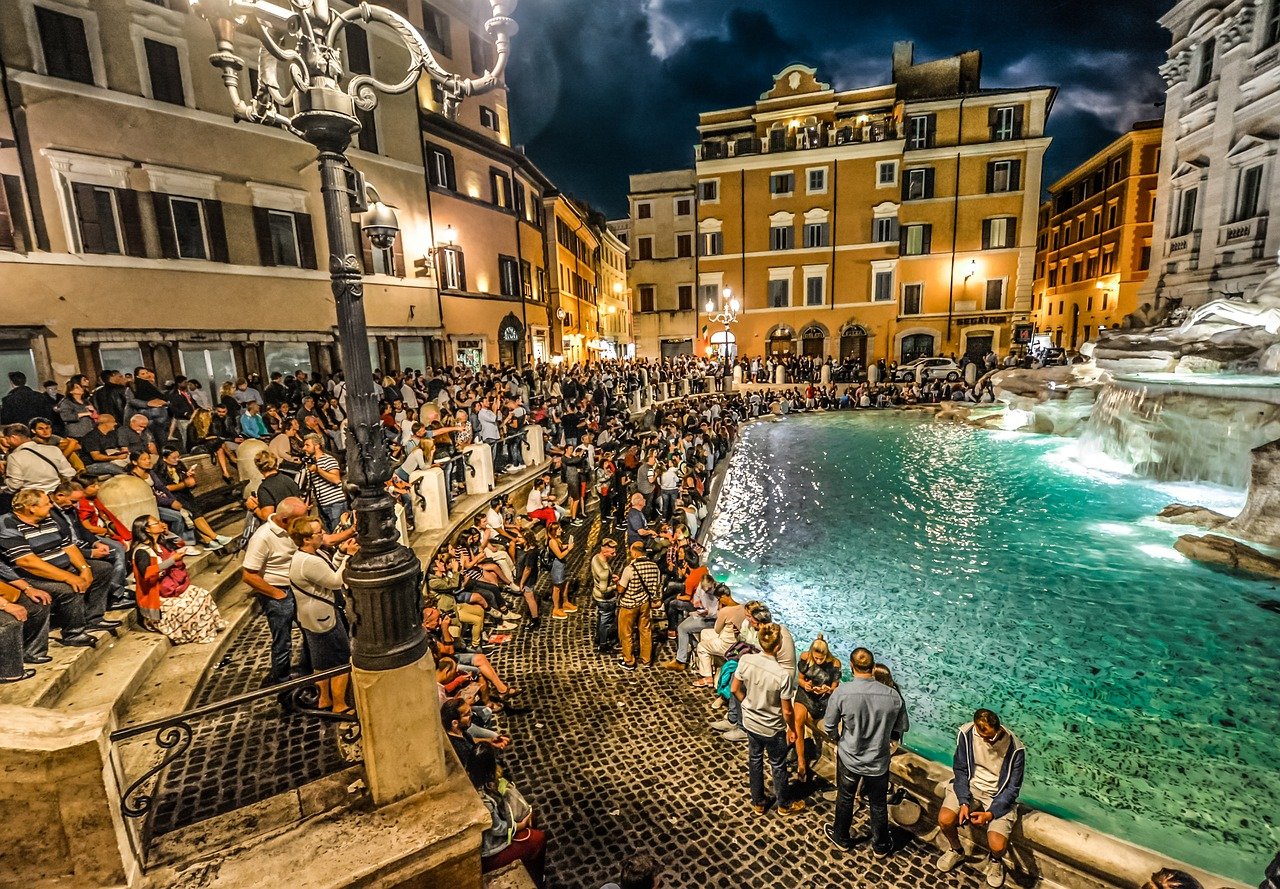
3. Toss a Coin at the Trevi Fountain
The Trevi Fountain is one of the liveliest stops in central Rome. Visit once during the day to admire the sculpture and water, then consider passing by later when the surrounding streets have a different mood. The square is compact and usually busy, so patience matters.
Keep your visit respectful and brief if crowds are heavy. Don’t climb on the fountain or obstruct other visitors, and keep a close eye on your belongings in dense areas. Afterward, walk away from the immediate square and find a quieter street for gelato or coffee.
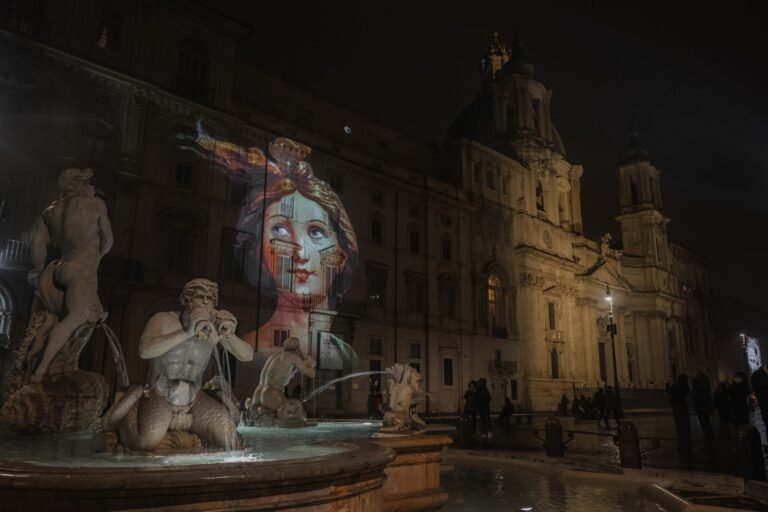
4. Sit in Piazza Navona
Piazza Navona is a good place to slow down and observe Rome’s public life. Its elongated shape, fountains, historic façades, artists, and cafés create a setting that works just as well for people-watching as for sightseeing.
I’d wander around the square first, then choose a side street for food rather than automatically taking the most visible table. Central locations can be convenient, but comparing menus and looking a few streets away often gives you a more relaxed meal.
Things to Do in Rome Italy for Art, Faith, and History
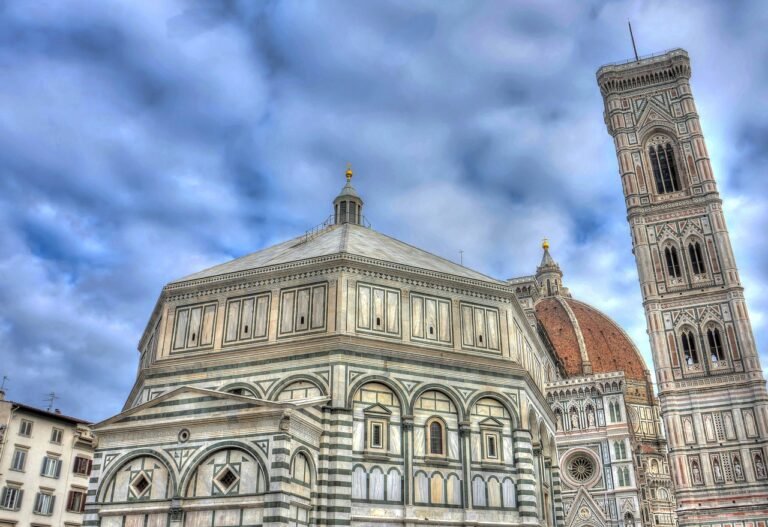
The most rewarding things to do in Rome Italy connect art and faith with the city’s everyday streets, so don’t limit your cultural exploration to one famous building.
5. Visit the Pantheon
The Pantheon is a remarkably powerful place to visit because its interior feels both monumental and surprisingly intimate. Look up at the dome, notice the changing light, and pay attention to how the building has been reused across centuries.
Check current visitor information before arriving, particularly if you are planning around a timed attraction elsewhere. Dress appropriately for a religious space and keep your visit calm. The surrounding neighborhood is ideal for combining architecture with a pastry, espresso, or an unplanned walk.
6. Spend Time in Vatican City
Vatican City can easily fill half a day or more, depending on which museums and religious sites you visit. The Vatican Museums and Sistine Chapel attract large numbers of travelers, while St. Peter’s Basilica offers a different kind of experience through its scale, artwork, and active religious setting.
Research the current dress requirements, entry process, and rules around photography before you go. A guided tour can help if you want context, but independent visitors may prefer moving at their own pace. Either way, avoid scheduling another distant attraction immediately afterward; the visit can be absorbing and tiring.
For another perspective on choosing the right travel season, our guide to the best time to visit Vietnam offers useful planning ideas that also apply to a busy city like Rome: match your dates to the experiences you care about most.
7. Discover Rome’s Smaller Churches
Some of the most atmospheric things to do in Rome happen inside churches that were never on your original itinerary. A modest doorway may lead to painted ceilings, quiet chapels, mosaics, or artwork by a major artist.
Enter respectfully, keep your voice low, and check whether photography is allowed. These are working religious spaces rather than museums, so avoid visiting during services unless you intend to participate. This is one of the easiest ways to slow down and notice a quieter side of the city.
8. Browse the Borghese Gallery Area
The Borghese Gallery is a strong choice for travelers who love sculpture and painting, while the surrounding gardens provide room to breathe after time indoors. Check current reservation requirements and opening information before planning your visit, since access can be structured.
Even if you don’t enter the gallery, Villa Borghese is useful for a walk, a shaded pause, or a change from the dense historic center. Bring a snack, find a bench, and let the day become less about collecting landmarks.
Things to Do in Rome Beyond the Famous Landmarks
Some of the best things to do in Rome happen beyond the standard route, especially when you explore neighborhoods through food, markets, and evening walks.
9. Eat Through Testaccio
Testaccio is a rewarding neighborhood for travelers who want to connect Rome with its food culture. Explore the market, look for Roman specialties, and allow yourself to choose lunch based on what smells good rather than following a rigid restaurant list.
Try dishes such as cacio e pepe, carbonara, amatriciana, or supplì when they suit your tastes, and ask about ingredients if you have allergies. Food is also one of the easiest ways for solo travelers to feel connected: sit at a counter, join a small food tour, or simply take your time at a busy market.
10. Wander Through Trastevere
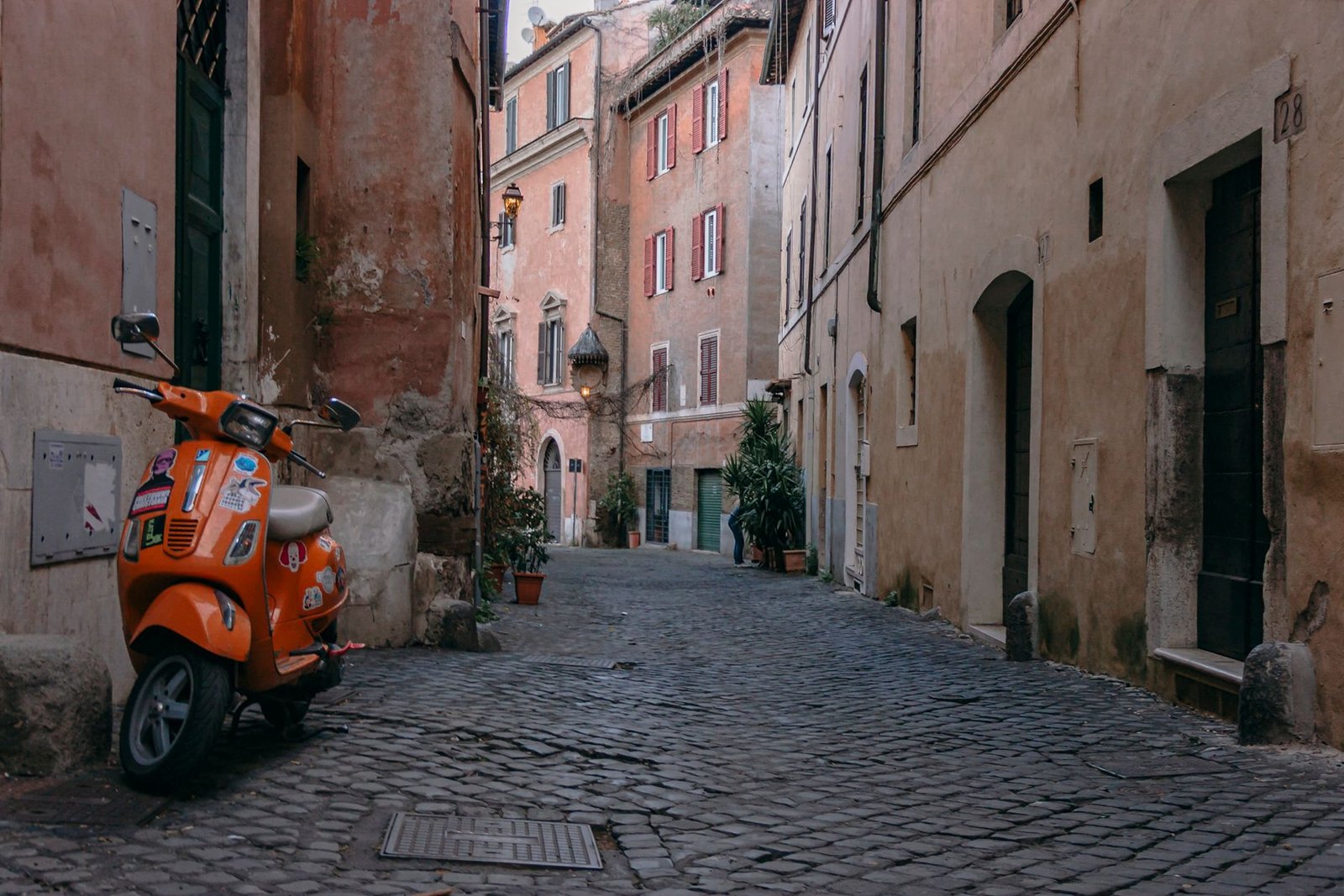
Trastevere is known for its narrow streets, ivy-covered walls, restaurants, bars, and evening energy. I like it best when treated as a neighborhood rather than a checklist. Walk without a fixed route, notice the small lanes away from the busiest restaurant streets, and stop when a piazza invites you to linger.
Evenings can be lively, but you don’t need to make nightlife the focus. A long dinner followed by a walk is enough. If you are traveling alone, choose a place with counter or communal seating, and keep your route home simple.
11. Visit Campo de’ Fiori and Nearby Streets
Campo de’ Fiori offers a busy market atmosphere during the day, while the surrounding streets connect easily with other central sights. Shop thoughtfully and compare quality before buying edible souvenirs. A market is more interesting when you look at what local residents are purchasing rather than only browsing the stalls aimed at visitors.
Afterward, cross the nearby streets toward quieter corners of the historic center. Rome is a city where a ten-minute detour can reveal a small courtyard, fountain, bookshop, or bakery that becomes part of your personal map.
12. Walk Along the Tiber
A walk beside the Tiber gives you a different view of Rome’s geography and architecture. It can be a welcome reset after crowded attractions, particularly around sunset or during a cooler part of the day.
Choose a stretch that fits your energy and combine it with a nearby neighborhood. You don’t need a long-distance route to enjoy the river; the value is in changing your pace and seeing the city from a lower, less crowded perspective.
13. Explore the Appian Way
The Appian Way offers a chance to leave the dense center and encounter ancient roads, greenery, monuments, and a quieter atmosphere. It works well for travelers who want history without another packed piazza, although transport and current access details need planning.
Check the route before setting out, wear comfortable shoes, and carry water. If you prefer structure, a small-group outing can simplify transport and provide historical context. You can browse Rome day tours on Klook and compare the itinerary, meeting point, group size, and inclusions.
14. Take a Cooking Class
A cooking class is one of my favorite types of activity for solo travelers because it combines food, conversation, and a practical skill. Look for a class that includes a market visit or shared meal if you want more cultural context, and check dietary options before booking.
The right class should leave room for questions rather than rushing through a long menu. You may not recreate the exact atmosphere of a Roman kitchen at home, but you’ll understand the ingredients and techniques behind dishes you encounter across the city.
15. Watch the Sunset from a Viewpoint
End one day at a viewpoint such as the Janiculum Hill or another elevated terrace where you can see Rome’s domes and rooftops spread across the horizon. Arrive with realistic expectations: weather, haze, and crowds can change the view.
Bring a small snack, keep valuables close, and treat the sunset as a pause rather than another attraction to conquer. Afterward, descend into a neighborhood for dinner. The combination of a broad city view and an ordinary local meal makes a lovely finish to a busy day.
How to Plan Things to Do in Rome with Kids
The best things to do in Rome with kids mix short sightseeing sessions, open spaces, food breaks, and activities where children can stay curious rather than simply follow adults from landmark to landmark.
Choose one major site per day, then add a piazza, gelato stop, park, or market nearby. The Colosseum and Forum can be fascinating for older children when presented as a story, while younger children may enjoy fountains, open squares, interactive tours, and the simple excitement of exploring narrow streets.
Build in shade and rest stops, especially during warmer periods, and check current entry arrangements for strollers, bags, and timed visits. A flexible schedule is more valuable than squeezing in every famous sight. Families can also search for things to do in rome ga or things to do in rome ny, but those searches refer to different destinations in the United States, not the Italian capital.
Practical Tips for Exploring Rome
Practical planning makes things to do in Rome feel much easier. Group nearby sights together, wear shoes that can handle uneven streets, and leave space between major bookings. Rome rewards walking, but it can also be tiring when every day becomes a long route without pauses.
Public transport and taxis can help when you are crossing the city, but check current routes and operating information before relying on a particular connection. Keep a backup plan for important reservations. For flights to Italy, compare Rome flight options on Aviasales and review baggage rules, arrival times, airports, and fare conditions before choosing.
Dress with churches and religious sites in mind, carry a reusable water bottle, and keep your phone and wallet secure in crowded areas. I avoid carrying more than I need, especially on packed buses and around major monuments. Practical awareness lets you enjoy the city without constantly worrying about your belongings.
For first-time visitors, three or four days can create a satisfying introduction, while a longer stay gives you time for neighborhoods, museums, and a slower rhythm. If your wider trip includes Southeast Asia, our guide to things to do in Penang offers another example of how food, culture, and neighborhood walks can shape an itinerary.
FAQ
What Are The Best Things To Do In Rome Italy?
The best things to do in Rome Italy include the Colosseum and Roman Forum, the Pantheon, Vatican City, Trevi Fountain, Piazza Navona, Testaccio food experiences, Trastevere walks, and a quieter outing along the Appian Way. Choose a few major sights and leave room for ordinary city life.
What Are Good Things To Do In Rome With Kids?
Good things to do in Rome with kids include visiting the Colosseum with a story-led guide, exploring open piazzas, stopping for gelato, spending time in Villa Borghese, and choosing a family-friendly cooking class. Keep sightseeing blocks short and schedule regular breaks.
What Are The Things To Do In Rome GA This Weekend?
Travelers searching for things to do in Rome ga this weekend are looking for activities in Rome, Georgia, rather than Rome, Italy. Check local listings for current events, parks, museums, and community activities because schedules can change. This article focuses on the Italian city.
How Is Rome, Italy Different From Rome, New York?
The things to do in rome ny search refers to Rome, New York, while this guide covers the Italian capital. If you meant Rome, Georgia, the things to do in rome ga search is also for a separate American destination. Confirm the city before booking flights or accommodation.
When you’re ready to organize your trip, compare Rome tours and attractions on Klook and search flights to Rome with Aviasales. Check meeting points, entry arrangements, baggage policies, and cancellation terms before confirming. These tools can make the logistics easier, but leave some unbooked time for the city’s unexpected moments.
What to Do Next in Rome
Start by choosing the three experiences you would most regret missing, then place them on separate days. Add one food-focused neighborhood, one slower walk, and at least one open block for a recommendation you discover after arriving.
Things to do in Rome become more memorable when you stop treating the city as a sequence of ticketed attractions. Book the experiences that genuinely benefit from planning, wear comfortable shoes, and let your route bend around a beautiful church, a lively piazza, or a meal that takes longer than expected.
This post contains affiliate links. If you book through them, I may earn a small commission at no extra cost to you.