
Best Time to Visit Vietnam: 7 Ultimate Tips for an Amazing Trip
Choosing the Best Time to Visit Vietnam depends less on finding one perfect month and more on matching your route to the kind of trip you want. Vietnam stretches from misty northern mountains to tropical southern islands, so the weather can feel very different from one stop to the next.
That variety is useful for independent travelers. If rain affects one region, you may still find good conditions elsewhere. In this guide, I’ll share seven practical tips for choosing dates, planning around regional weather, combining Vietnam with neighboring countries, and keeping your itinerary flexible enough for real travel.
Table of Contents
Best Time to Visit Vietnam by Region
The Best Time to Visit Vietnam varies by region, so your first decision should be whether northern, central, or southern Vietnam matters most to you.
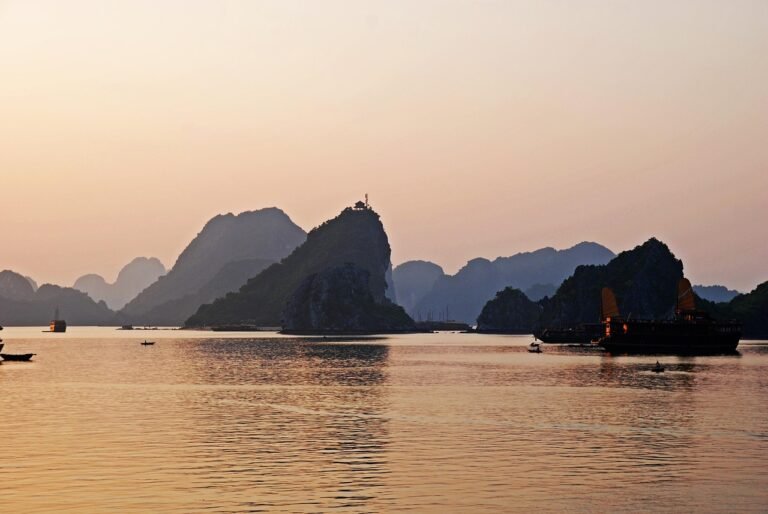
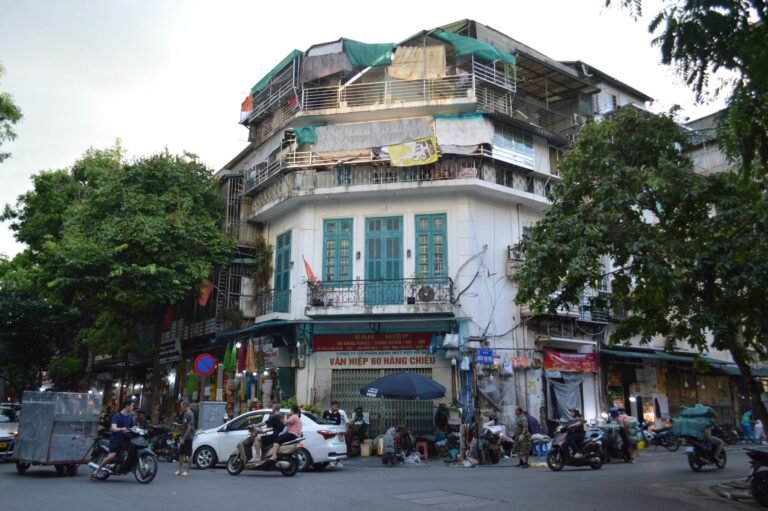
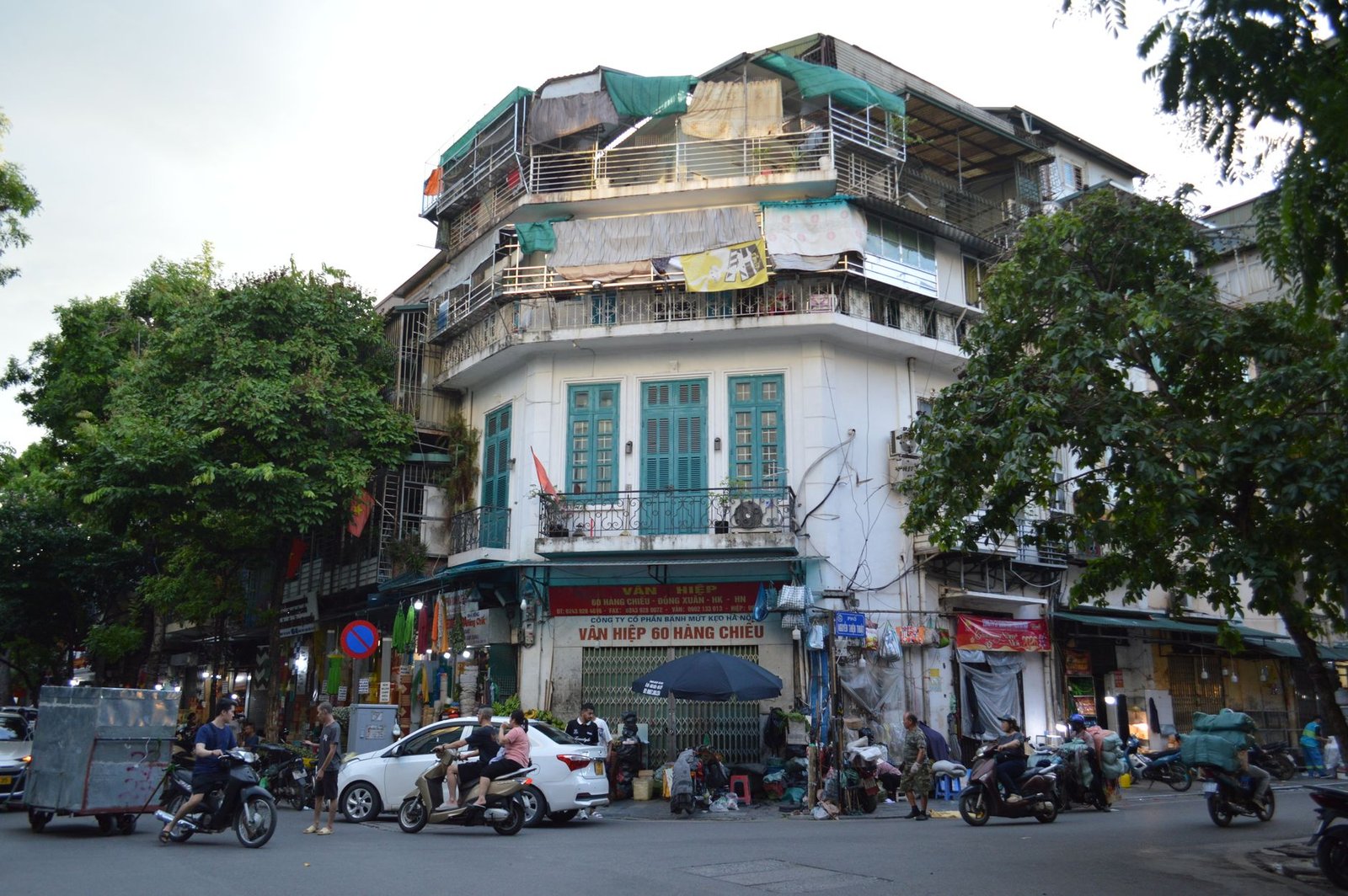
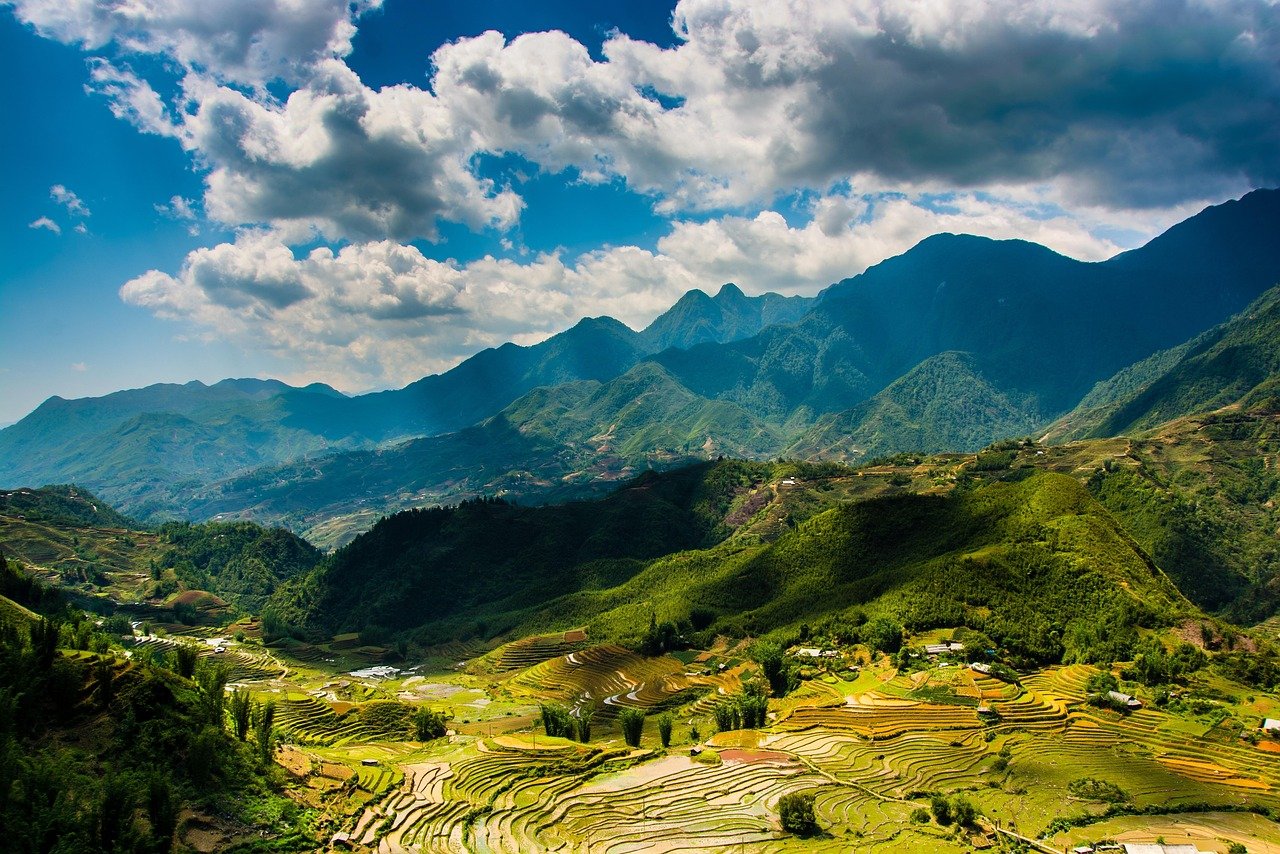
Northern Vietnam is appealing for travelers interested in Hanoi, limestone landscapes, mountain towns, rice-growing valleys, and cooler city walks. Central Vietnam attracts visitors with historic towns, beaches, food, and coastal scenery. Southern Vietnam suits travelers looking for busy Ho Chi Minh City, river landscapes, warm beaches, and a more tropical atmosphere.
These areas do not always experience their most comfortable travel conditions at the same time. A route that looks simple on a map can involve several different weather patterns. Before booking flights, list your three highest-priority destinations and check the forecast history and current guidance for each one, rather than relying on a single national average.
The best time to visit Vietnam for weather is therefore personal. A traveler hoping to hike may prefer different conditions from someone planning a beach break, while a food-focused city trip can remain enjoyable with more flexibility. I would rather adjust one stop than force an ambitious route through weather that makes every transfer harder.
Best Time to Visit Vietnam for Good Weather and Outdoor Plans
The best time to visit Vietnam for good weather is the period that gives your most important outdoor activities the best chance of working comfortably.
Think about the experiences you are building around. Hiking in the north, cruising through dramatic coastal scenery, cycling around rural areas, exploring caves, and spending long days on the beach all respond differently to heat, humidity, rain, and visibility. Even a cloudy day can be excellent for a museum, market, or cooking class, but it may change a boat excursion or mountain viewpoint.
I recommend leaving some breathing room around weather-sensitive plans. If an island transfer, multi-day trek, or day cruise is central to your trip, avoid placing it immediately before an important international flight. A spare day can protect you from a delayed connection and give you space to enjoy the destination instead of watching the clock.
Pack for changing conditions rather than one imagined forecast. Lightweight clothing, comfortable shoes with grip, a compact rain layer, sun protection, and a dry bag for electronics are practical additions. A light layer can also help in strongly air-conditioned buses, trains, restaurants, and shopping centers.
Best Time to Visit Vietnam for Beaches, Food, and Culture
The Best Time to Visit Vietnam for beaches, food, and culture depends on which experience you want to lead the itinerary.
Beach travelers should choose the exact coastline first. Vietnam has a long shore, and conditions can vary between the north, central coast, and south. Check whether the island or seaside town you want to visit operates tours and transfers throughout your dates. Seasonal services can make a destination feel very different from what you saw in an older travel post.
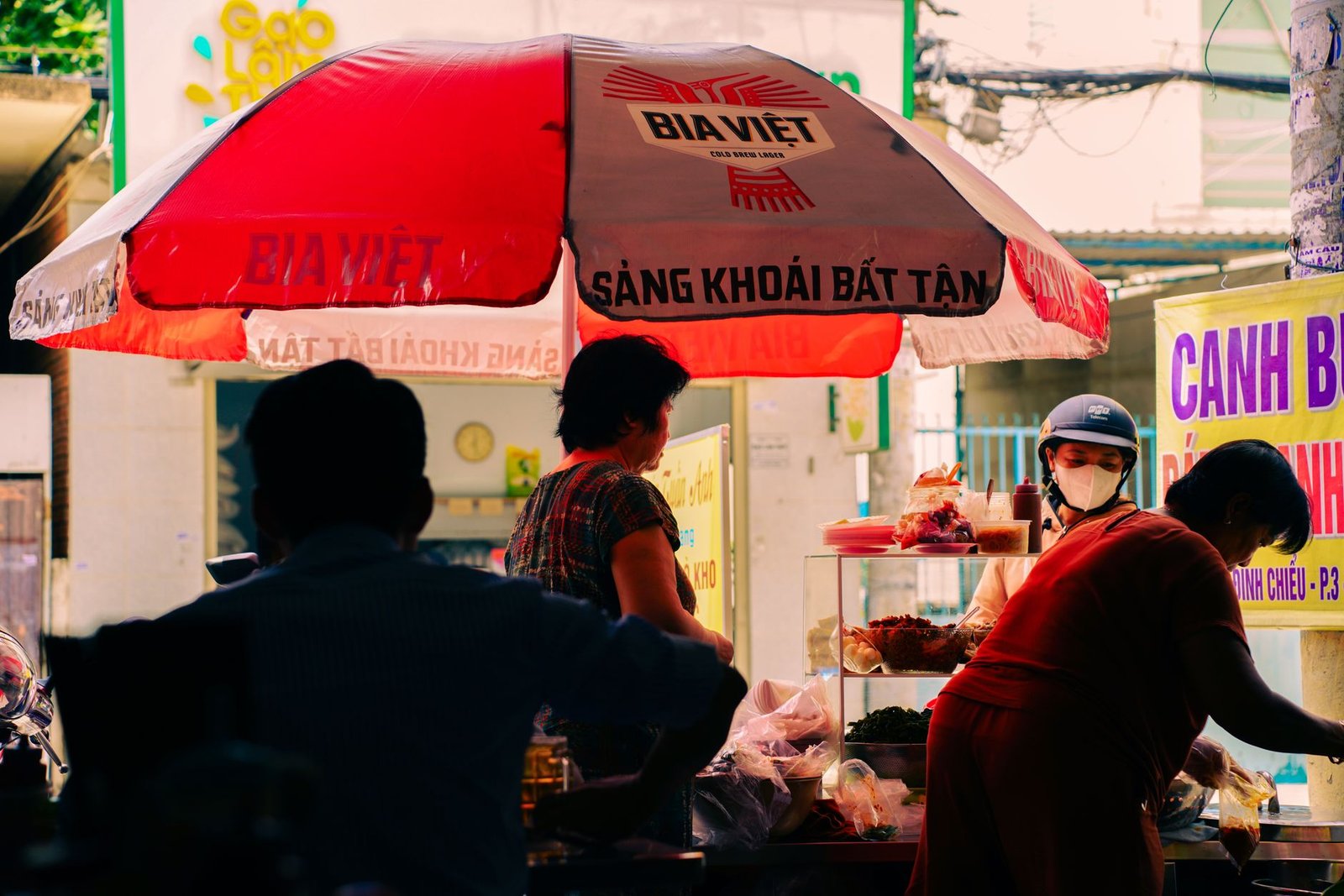
Food travelers have more flexibility. Hanoi, Hue, Hoi An, Ho Chi Minh City, and smaller towns each offer a different culinary identity, and a shower rarely prevents you from eating well. I like leaving at least one unscheduled evening for a market, a small restaurant, or a dish recommended by someone I meet on the road.
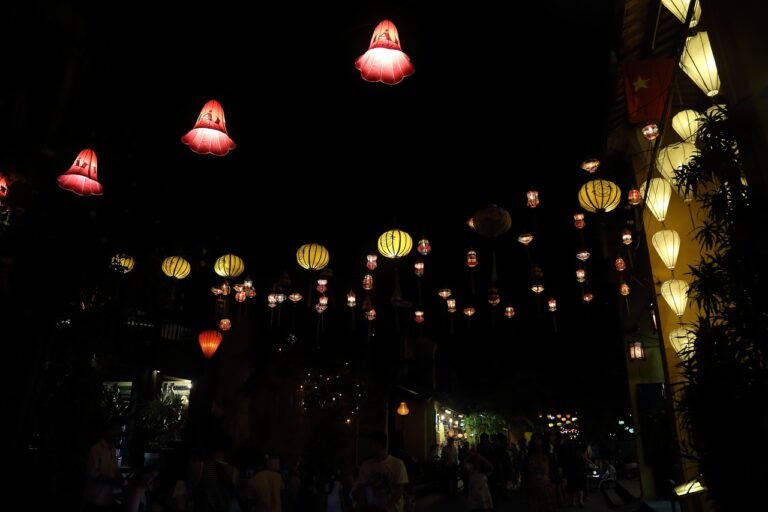
Culture-focused travelers should also check local holidays and festivals for the year of travel. Events can bring music, ceremonies, decorations, and a stronger sense of place, but they may also affect accommodation availability and transport. Confirm current dates before making non-refundable bookings.
For ideas in another Southeast Asian capital, explore our guide to things to do in Kuala Lumpur. Comparing different city experiences can help you decide whether your Vietnam trip should be fast-paced, food-led, or built around slower neighborhood exploration.
Best Time to Visit Vietnam and Cambodia
The best time to visit Vietnam and Cambodia is determined by the specific cities, temples, beaches, and outdoor activities you want to combine.
A two-country itinerary can be rewarding, but it is easy to underestimate the time involved in changing countries. Start by choosing your essential Vietnam stops and then decide whether Cambodia adds something you genuinely want to experience. Hanoi, central Vietnam, Ho Chi Minh City, and Cambodia’s major cultural sites create a varied route, but every additional transfer takes energy and reduces time on the ground.
For the best time to visit Vietnam and Cambodia, compare conditions for each destination rather than treating the countries as one climate zone. Consider heat, humidity, rain, visibility, and how much walking your plan includes. Temple visits and city sightseeing can be tiring in intense heat, so an itinerary with early starts and long midday breaks may suit you better than a packed schedule.
Keep border crossings and transport arrangements separate in your planning. Check current entry requirements and schedules for your nationality and travel year before booking. I also suggest keeping an offline copy of confirmations, accommodation details, and onward transport information in case your connection is unreliable.
If you are considering a wider Southeast Asia route, our guide to the best time to visit Thailand can help you compare another nearby destination without assuming that every coastline follows the same pattern.

Best Time to Visit Vietnam and Thailand
The best time to visit Vietnam and Thailand depends on the exact regions you choose in both countries.
Thailand includes several distinct travel areas, while Vietnam’s north, center, and south can also feel very different. A plan involving Hanoi and northern Thailand raises different weather questions from one involving southern Vietnam and Thailand’s islands. Write down each stop before choosing dates, then identify the destination least tolerant of rain or extreme heat.
Travelers looking for the best time to visit Vietnam and Thailand should also compare transport rather than only weather. A cheap flight may arrive at an inconvenient hour, include limited baggage, or require a long transfer after landing. Look at the complete cost and the time lost, especially if you are traveling on a backpacker budget.
Both countries offer plenty of social experiences for solo travelers. Food walks, cooking classes, small-group excursions, shared accommodation, and communal cafés create natural opportunities to meet people. You can still keep your itinerary independent while giving yourself a few easy ways to connect.
Best Time to Visit Vietnam, Cambodia, and Thailand
The best time to visit Vietnam Cambodia and Thailand is the travel window that works for your highest-priority stops across all three countries.
Three countries can make a fantastic long journey, but the route needs discipline. Choose a clear direction and avoid treating every famous destination as essential. A slower itinerary with fewer bases usually gives you more time for local food, neighborhood walks, and conversations instead of repeated packing and transport days.
When comparing the best time to visit Vietnam Cambodia and Thailand, consider the rhythm of the trip as well as the forecast. You may be able to tolerate a rainy afternoon in a city, but repeated wet days can affect hiking, island transfers, or long outdoor visits. Build in at least one flexible block after a major cross-border journey.
Use current information for visas, entry rules, transport schedules, and local events. These details can change, and a multi-country itinerary leaves less room for mistakes. I keep screenshots and printed backups of anything I may need at a border, while avoiding assumptions based on advice written for a previous year.
Seven Tips for Choosing the Right Dates
These seven tips make the Best Time to Visit Vietnam decision more practical and less dependent on a generic high-season label.
1. Start With Your Non-Negotiable Destination
Choose the place or experience you would regret missing. It might be a mountain trek, a coastal town, a cooking class, a historic city, or a few quiet days on an island. Check that destination first, then build the rest of the route around it.
2. Match Weather to Your Travel Style
There is no single version of good weather. Some travelers prefer cooler walking conditions, while others want hot afternoons by the sea. If humidity affects your energy, plan shorter outdoor sessions, book accommodation with reliable cooling, and avoid packing every day with strenuous activities.
3. Leave Space for Rain and Delays
Do not schedule a remote island departure, a mountain excursion, and an international flight in one tight chain. Leave a buffer wherever possible. Flexibility is especially valuable when a trip includes boats, rural roads, or several separate transport providers.
4. Compare the Complete Cost
Travel dates affect more than the flight. Compare accommodation, baggage, transfers, tours, and the cost of changing plans. A slightly more expensive ticket can be better value if it arrives at a useful time and avoids an extra night or complicated connection.
5. Check Holidays and Events
Local celebrations can add energy and cultural context, but they can also change demand and transport patterns. Confirm dates for the year you are traveling and book only after checking how the event fits your route.
6. Plan for the Middle of the Day
Even in a favorable season, heat can shape your day. Start outdoor sightseeing early, pause for lunch, and use museums, cafés, markets, or rest time when the streets feel hardest to navigate. This rhythm is kinder to your body and leaves more energy for evening food adventures.
7. Protect Time for Unplanned Discoveries
A good itinerary should not feel like a checklist. Leave room for a recommendation from a hostel staff member, a local meal, or a neighborhood you did not expect to enjoy. Those small changes often become the most personal part of a trip.
FAQ: Planning the Best Time to Visit Vietnam
What Is The Best Time To Visit Vietnam For Weather?
The best time to visit Vietnam for weather depends on the region and your activities. Check the exact destinations on your route, then compare current forecasts, seasonal patterns, and the flexibility of your plans.
What Is The Best Time To Visit Vietnam And Cambodia?
The best time to visit Vietnam and Cambodia depends on whether you prioritize cities, temples, beaches, or outdoor travel. Choose the least flexible activity first and allow extra time around border crossings and long transfers.
What Is The Best Time To Visit Vietnam And Thailand?
The best time to visit Vietnam and Thailand varies according to the specific regions you visit. Compare northern, central, and southern destinations in both countries instead of relying on a single country-wide answer.
What Is The Best Time To Visit Vietnam Cambodia And Thailand?
The best time to visit Vietnam Cambodia and Thailand is the period that suits your priority stops across the three countries. Keep the route focused, verify current entry information, and leave flexibility after major journeys.
Is The Best Time To Visit Vietnam For Good Weather The Same Everywhere?
No. The best time to visit Vietnam for good weather can differ between northern mountains, central coast, southern cities, and islands. Plan by region and activity rather than expecting one month to be ideal nationwide.
When you’re ready to organize tours, attraction tickets, or day trips, compare Vietnam activities on Klook. For mobile data, check Vietnam eSIM options from Airalo before departure and confirm your device compatibility, activation requirements, coverage, and data allowance.
You can also browse Vietnam tours and experiences on Klook once you know your dates. I’d compare meeting points, group size, inclusions, and cancellation terms before booking rather than choosing only by the headline price.
What To Do Next
The Best Time to Visit Vietnam becomes easier to choose when you decide what the trip is really about. Pick your essential region, identify the activity most affected by weather, and then build a route that leaves room for delays and discovery.
Next, check the current information for your exact travel year, compare the complete cost of your dates, and keep at least one flexible block in the itinerary. Vietnam rewards travelers who plan thoughtfully but stay open to a longer meal, a new neighborhood, or a change of route suggested along the way.
This post contains affiliate links. If you book through them, I may earn a small commission at no extra cost to you.