Vietnam Visa: 7 Essential Steps for a Smooth, Perfect Trip
Vietnam visa planning is one of those jobs that feels easier once you break it into small, checkable steps. I’d rather spend a little time confirming the right process before booking non-refundable plans than discover a document problem at the airport or border. The rules can depend on your nationality, travel dates, passport, entry point and purpose of travel, so use this guide as a planning framework and confirm the current details through official Vietnamese sources before you apply.
This guide walks through seven practical steps for a smoother trip: checking whether you need permission to enter, preparing the correct information, completing the vietnam visa application, understanding why older advice about vietnam visa on arrival may be incomplete, and keeping your documents ready for the journey. I’ll also cover common searches such as vietnam visa for us citizens and vietnam visa for indians without pretending that one answer fits every traveler.
Table of Contents
Vietnam Visa Step 1: Check Whether You Need One
The first vietnam visa step is confirming the entry rules for your exact passport and trip rather than relying on a friend’s experience. Travelers with different nationalities can face different requirements, and an answer that was accurate several months ago may no longer apply to your dates.
Start with your passport country, intended arrival date, length of stay, number of entries and planned entry point. Also consider whether you are arriving for tourism, visiting family, business or another purpose. These details can affect the application route and the documents you need. If your itinerary includes a land crossing after flying into another country, check that the permission you request matches the way you actually plan to enter Vietnam.
People searching for vietnam visa for us citizens should check the current official instructions for United States passport holders, while travelers researching vietnam visa for indians should do the same through the relevant official channel for Indian passport holders. Don’t assume nationality-based advice from a forum applies to you simply because the destination is the same.
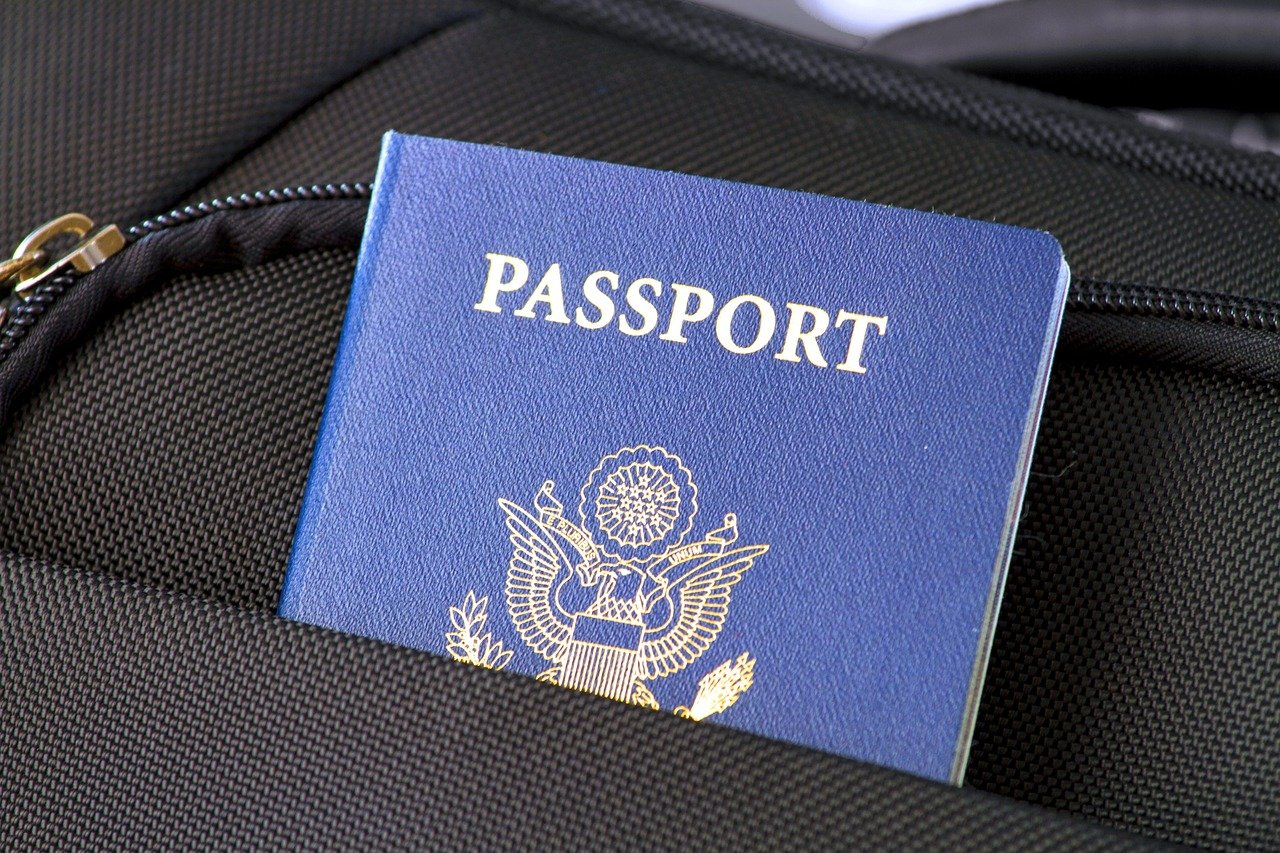
I’d also check your passport’s condition and validity well before applying. A damaged passport, inconsistent name spelling or a document that is difficult to scan can create avoidable delays. Make sure your name, date of birth, passport number and nationality are copied exactly as they appear in your travel document.
Vietnam Visa Step 2: Use the Right Official Application Route
The second vietnam visa step is choosing the application route that matches your circumstances and current official guidance. Search results may show agencies, old blog posts, travel forums and pages written for a different visa system, so I treat them as background reading rather than final authority.
For many travelers, the central task will be an online vietnam visa application. Before entering your details, identify the official government page or official instructions that apply to your passport and purpose of travel. Check the web address carefully, read the current guidance from beginning to end and note whether the process asks for an uploaded portrait, passport data page, intended entry point or other supporting information.
Be cautious with websites that imitate official pages or promise approval with no questions asked. A private agency may be useful if you genuinely want assistance, but you should understand what service it provides, whether extra fees apply and who is responsible for correcting an error. I prefer knowing exactly whether I am submitting directly or paying someone to help me prepare a submission.
Keep a record of the page you used, the date you applied, your reference number and any payment confirmation. Save screenshots or PDF copies in a secure folder, but don’t treat a payment receipt as proof of permission to enter. The approval document or official result is the item you need to check carefully.

Vietnam Visa Step 3: Prepare Your Documents Before You Start
The third vietnam visa step is gathering every document and piece of information before opening the form. This makes the vietnam visa application less rushed and gives you a better chance of spotting inconsistencies before submission.
At minimum, have your passport available, along with a clear digital copy of the identification page if the current instructions request one. You may also need a digital portrait that meets the stated format, travel dates, intended entry details, accommodation information and a payment method accepted by the application system. The exact list can change, so follow the current instructions rather than copying a checklist from an old article.
Use a quiet place and type slowly. I’d copy the passport number character by character, then compare the completed form against the passport before pressing submit. Pay special attention to the difference between letters and numbers, middle names, dates written in different formats and the name of your intended entry point.
It’s tempting to rush through a form because the questions look simple. Don’t. A small error can mean contacting the issuing authority, submitting a correction or applying again. If you are unsure how a question applies to your situation, stop and consult the current official instructions instead of guessing.
Keep your accommodation details realistic and consistent with your route. If you have not finalized every night, use the information the current form requests and avoid inventing an address. Your first accommodation is often the most practical detail to have ready, particularly if you are arriving after a long flight.
Vietnam Visa Step 4: Understand Vietnam Visa on Arrival Carefully
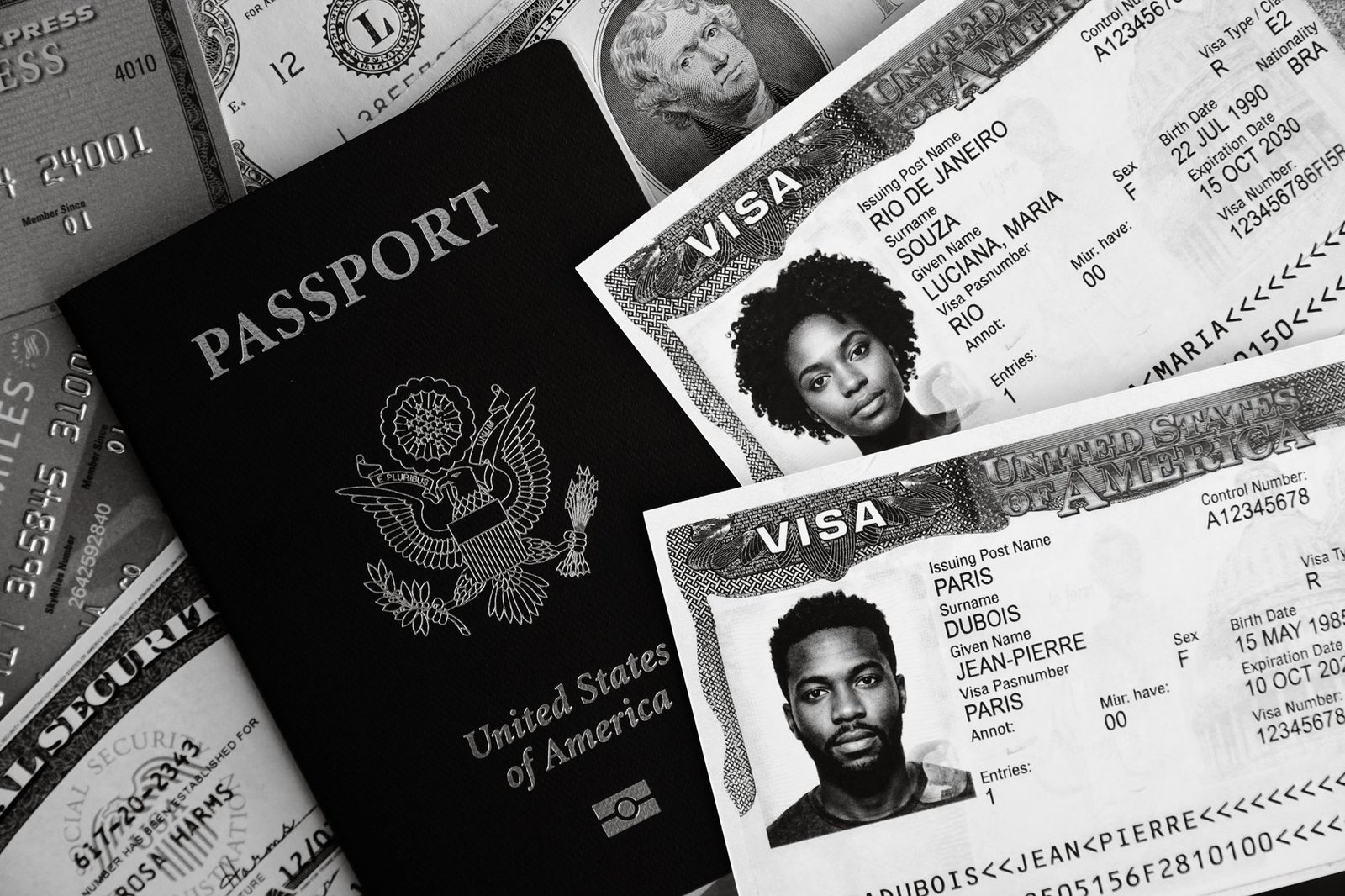
The fourth vietnam visa step is understanding what people mean when they search for vietnam visa on arrival. That phrase appears frequently online, but travelers should not assume that an older arrival-based process is available, suitable or sufficient for their current journey.
Some websites use “visa on arrival” loosely when they are describing a pre-arranged approval document, an airport procedure or an agency service. Those are not necessarily the same thing. Before paying anyone, confirm the current process through official Vietnamese guidance and check whether it applies to your nationality, entry point and travel purpose.
If your route includes a land or sea border, be especially careful. An airport-focused process may not match a land crossing, and a document that works for one entry point may not work for another. Your application should reflect the route you intend to use, not the route that happens to appear in a generic advertisement.
I’d avoid building a trip around a last-minute promise that an approval can be fixed after you arrive. Immigration decisions and document checks are not something I’d leave to improvisation. Confirm the process before departure, keep the result accessible offline and carry a printed backup if the official instructions or your airline recommend it.
For a broader perspective on preparing for international travel, you can also browse our practical guide to handling documents, transport and travel preparation. The destination is different, but the habit of checking official information and saving backups is useful anywhere.
Vietnam Visa Step 5: Submit the Vietnam Visa Application Slowly
The fifth vietnam visa step is submitting the vietnam visa application only after reviewing every field and uploaded file. I’d treat the final review like checking a flight booking: the details may look familiar, but one incorrect character can change the result.
Compare the application with your passport, itinerary and accommodation confirmation. Check spelling, passport number, nationality, date of birth, entry date, exit date if requested, number of entries and intended entry point. Make sure the portrait and passport scan are clear and comply with the current instructions rather than assuming that any phone photo will work.
After payment or submission, save the reference number immediately. If the system provides a downloadable receipt or confirmation page, keep it in more than one place. I like having one copy on my phone, one in secure cloud storage and one printed with my other travel documents.
Do not submit multiple applications simply because you are anxious about waiting unless the official guidance tells you to do so. Duplicate applications can make your situation harder to explain. Instead, monitor the official status channel, keep a note of the date you submitted and contact the relevant authority or provider if the instructions say that follow-up is appropriate.
Travelers looking specifically for vietnam visa for us citizens or vietnam visa for indians should double-check that the form has recorded their nationality correctly. This sounds obvious, but it is exactly the kind of field worth reviewing before payment.
Vietnam Visa Step 6: Check the Approved Details Against Your Trip
The sixth vietnam visa step is comparing the approved vietnam visa with your actual passport and itinerary. Receiving a document is not the end of the process; it is the moment to inspect the details while there is still time to resolve a problem.
Check your name, passport number, nationality, validity dates, permitted entries and entry point against the information in your booking. Look for typing mistakes, missing names or dates that do not cover the journey you intended to take. If anything appears wrong, use the official correction or support process rather than hoping an airline or border officer will overlook it.
Keep your approval document in an offline folder and print a copy. Your airline may ask to see travel documents before boarding, and a reliable paper backup can help if your phone battery, data connection or app access fails. I’d also carry the passport used for the application; changing passports after approval can create a separate issue.
Make sure your flight itinerary matches the approved entry point and dates. If plans change after approval, don’t assume the document automatically follows the new route. Check the current rules before changing flights, adding another entry or replacing your passport.
For flight comparisons, I recommend checking several dates on Aviasales before booking Vietnam flights. A flexible search can help you avoid locking in a route before you know which arrival details your vietnam visa application will use. Always compare the final fare conditions, baggage rules and change policy yourself.
Vietnam Visa Step 7: Prepare for Arrival and the Rest of the Journey
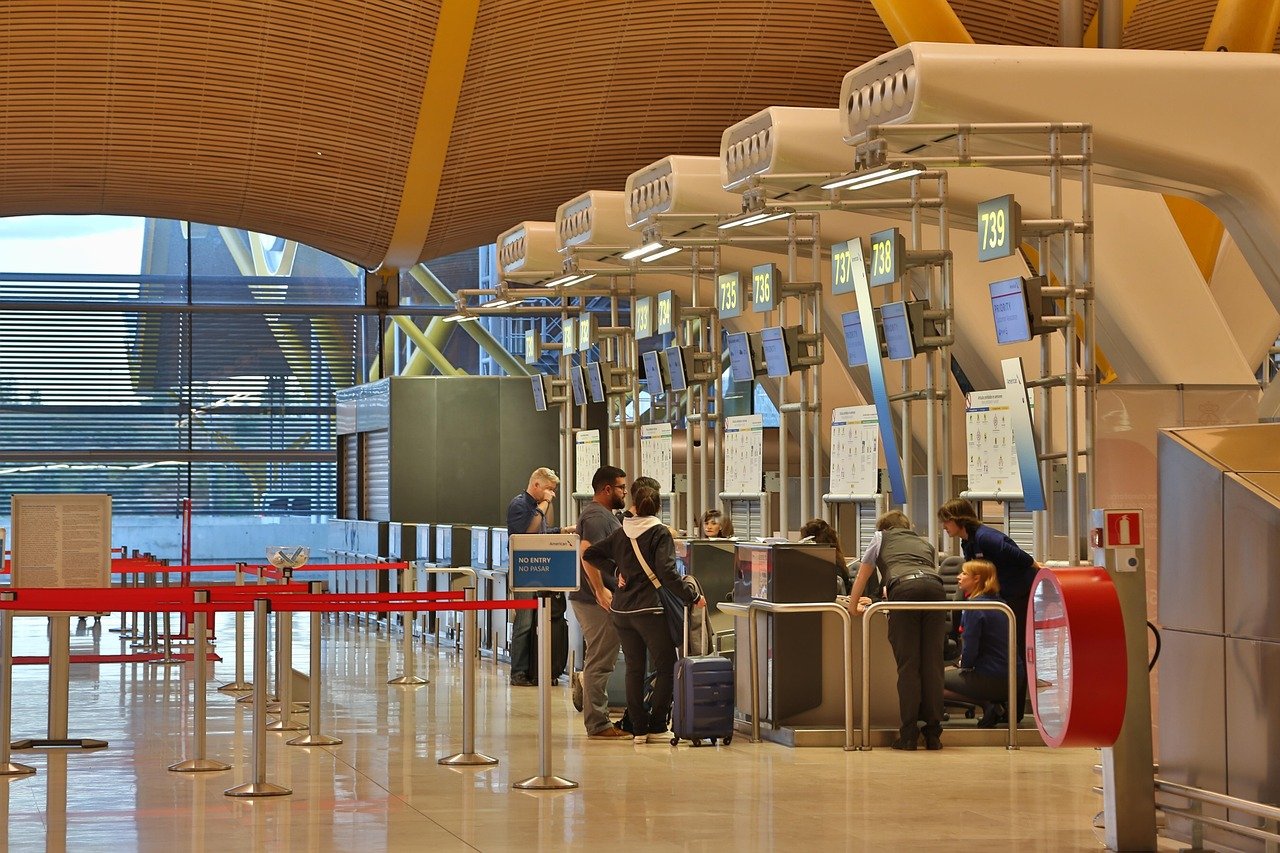
The seventh vietnam visa step is organizing the arrival day so the document you worked for is easy to present. Keep your passport, approved vietnam visa, accommodation details and onward travel information together in a small document wallet or accessible folder.
Before leaving home, save your first accommodation address, airport or border transfer details and a contact number offline. If you plan to use local data immediately, confirm that your phone is unlocked and that your connectivity plan is ready. I would not rely on a single app for directions when arriving tired in an unfamiliar place.
Have a calm answer ready for basic travel questions: where you are staying, why you are visiting and how long you plan to remain. Answer truthfully and keep your documents organized. Avoid presenting a complicated story created to match what you think an officer wants to hear.
Once you arrive, store the passport and approval documents securely. You may need them again for accommodation, transport or departure, so don’t place everything in a day bag that you plan to leave unattended. If your route includes several cities, keep a simple record of bookings and transport confirmations as you move.
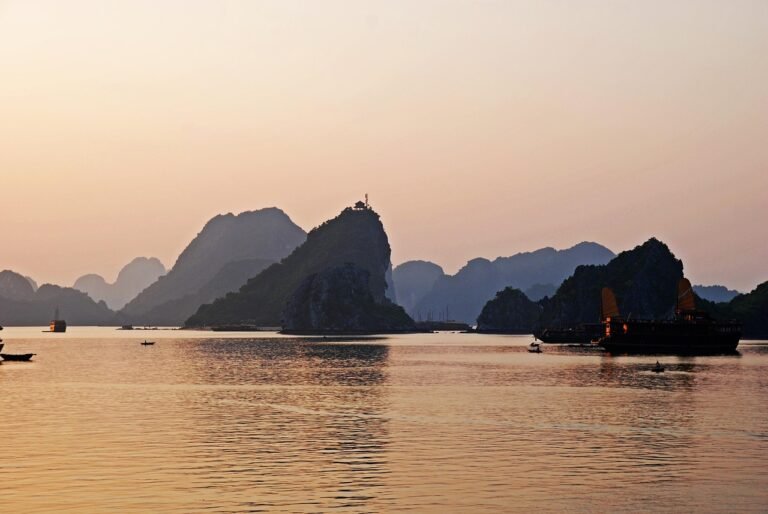
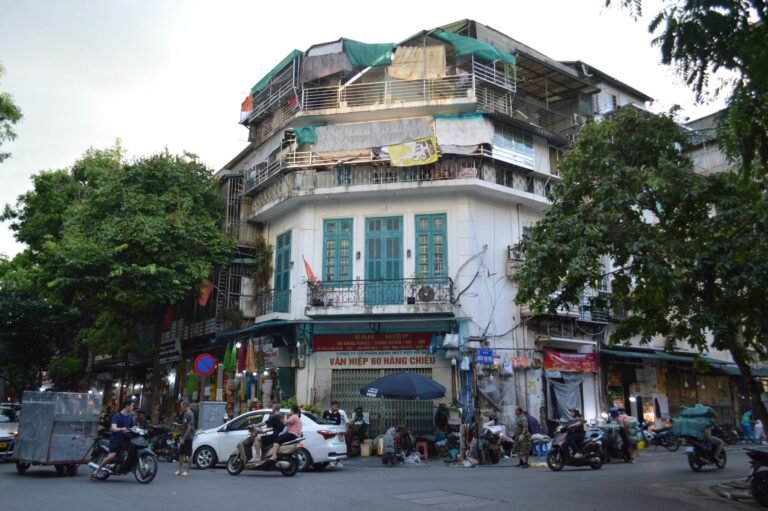
Vietnam is a rewarding country to explore slowly, from busy food streets and historic neighborhoods to quieter landscapes and coastal routes. If you are combining destinations, our guides to choosing places to visit in Morocco, planning a nature-focused day trip and exploring Chefchaouen independently offer useful reminders about pacing, transport and leaving room for discovery, even though they cover a different country.
Vietnam Visa Questions Travelers Often Ask
How long does a vietnam visa application take?
The answer depends on the current processing route, your nationality, the application details and whether the authority needs clarification. I would not book an important, non-refundable journey around an unverified processing estimate. Check the current official instructions, apply with time to spare and keep your reference number after submission.
Do vietnam visa for us citizens travelers follow a special process?
Vietnam visa for us citizens travelers should be researched through current instructions that specifically apply to United States passport holders. Check the permitted dates, entry details, number of entries and document format in the current guidance. Don’t copy the details from another traveler’s approval unless the passport and itinerary are genuinely comparable.
What are the vietnam visa requirements for us citizens?
Vietnam visa requirements for us citizens can depend on the trip and the current rules at the time of application. Confirm the required passport information, photograph, application data, payment method and entry details through the official channel. If your purpose is not ordinary tourism, look for the instructions that match that purpose instead of using a tourist checklist.
What should travelers know about vietnam visa for indians?
Travelers researching vietnam visa for indians should confirm the current process for Indian passport holders and make sure their nationality, passport details and intended entry point are recorded correctly. If you hold more than one passport, use the document you intend to present for the journey and check that the approval matches it.
Is vietnam visa on arrival still the best option?
Vietnam visa on arrival should not be treated as the default simply because the phrase appears in older travel content. Verify what the current official process means, whether it applies to your route and whether any pre-arranged document is required before boarding. Airport, land and sea arrivals may not follow identical procedures.
For travel insurance, I recommend reviewing current coverage before departure through EKTA travel insurance options. Check medical expenses, trip interruption, baggage conditions and exclusions for activities you plan to do. Insurance cannot replace correct entry documents, but it can be a sensible part of preparing for the unexpected.
For official inspiration when comparing a Vietnam trip with another destination, the official Morocco tourism website is a useful starting point for Morocco planning. Whichever country you choose, confirm entry rules with the relevant official authorities shortly before departure.
Before You Book: A Simple Vietnam Visa Checklist
A final vietnam visa checklist can turn a complicated task into a quick review. I’d work through these points before paying for flights or accommodation with strict cancellation rules:
- Confirm the current entry rules for your passport and purpose of travel.
- Check your passport details, condition and validity against the application instructions.
- Choose the correct official application route and avoid relying on outdated vietnam visa on arrival advice.
- Prepare the requested photograph, passport scan, travel dates, entry point and accommodation information.
- Review every field before submitting the vietnam visa application.
- Save the reference number, payment confirmation and approved document in offline and printed formats.
- Compare the approved details with your passport, flight route and intended dates before departure.
This checklist is not a replacement for current official guidance. It is simply a way to reduce the small mistakes that make international travel more stressful. If your nationality, purpose of travel or route is unusual, allow extra time for clarification rather than waiting until the week of departure.
When you’re ready to organize the practical side, compare flights with Aviasales and review coverage with EKTA. These tools can help with planning, but confirm current prices, conditions, exclusions and cancellation terms on the booking pages before committing.
What to Do Next With Your Vietnam Visa
Your vietnam visa plan should be simple: verify the current rules, use the correct application route, prepare your documents, submit carefully and compare the approval with your actual itinerary. The process may feel administrative, but getting it right gives you more freedom to focus on Vietnam’s food, landscapes, history and everyday street life once you arrive.
My next step would be to check the official guidance for your passport today, write down the exact entry point and travel dates you expect to use, then gather the documents before opening the form. If anything changes, pause and recheck the vietnam visa requirements rather than assuming the original approval still covers the new plan. A few careful minutes now can make the first day of your trip feel much more relaxed.
This post contains affiliate links. If you book through them, I may earn a small commission at no extra cost to you.