Is Morocco Safe for Tourists? 10 Proven Tips for an Amazing Trip
Morocco safe is a question worth asking before you book flights, but it shouldn’t be the only question shaping your trip. I find that thoughtful preparation—understanding local customs, planning transport, protecting your belongings and knowing how to ask for help—does far more for a smooth journey than trying to find a simple yes-or-no answer.
Morocco is a varied destination, from busy medinas and Atlantic cities to mountain villages and desert routes. Your experience can change dramatically depending on where you go, how independently you travel and how comfortable you are with busy streets, bargaining and unfamiliar routines. This guide focuses on practical Morocco safety habits rather than sweeping promises. Use it alongside current advice from your government and official travel providers before departure.
Table of Contents
Morocco Safe to Travel: What Preparation Really Means
Morocco safe to travel planning begins with accepting that preparation is part of the adventure. I’d check current government travel advice, save your accommodation details offline and make a loose plan for each arrival day before leaving home. You don’t need every hour arranged, but you should know how you’ll reach your accommodation and where your passport, money and phone will be kept.
Keep digital copies of your passport, insurance policy, bookings and emergency contacts in secure cloud storage, then save essential details offline as well. Carry a paper backup if you’re traveling through areas where your phone battery or data connection may be unreliable. Share your broad itinerary with someone you trust, especially if you’re heading into rural areas or joining a multi-day excursion.
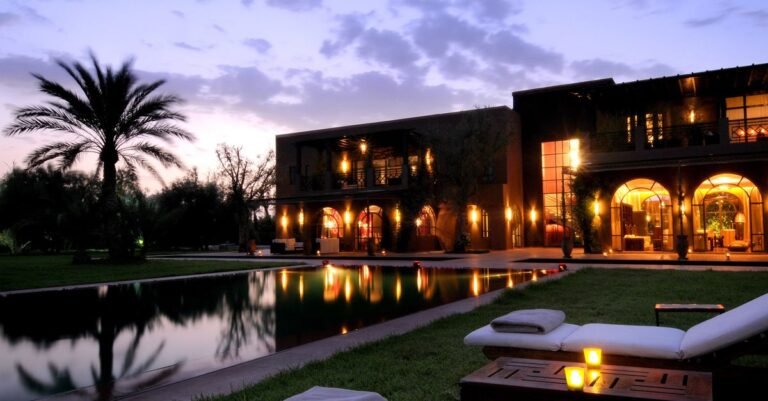
I also recommend choosing accommodation with clear arrival instructions and recent reviews that discuss practical details. If you’re staying in a medina, ask whether a staff member can explain the nearest taxi drop-off point. Cars may not reach every narrow lane, and arriving after dark with a large backpack is a poor time to discover that your map pin isn’t precise.
For a first route, compare the country’s cities and landscapes before committing to too many long transfers. My guide to the best places to visit in Morocco can help you decide whether your itinerary should focus on cities, coast, mountains or the desert.
Morocco Safety in Busy Medinas and Tourist Areas
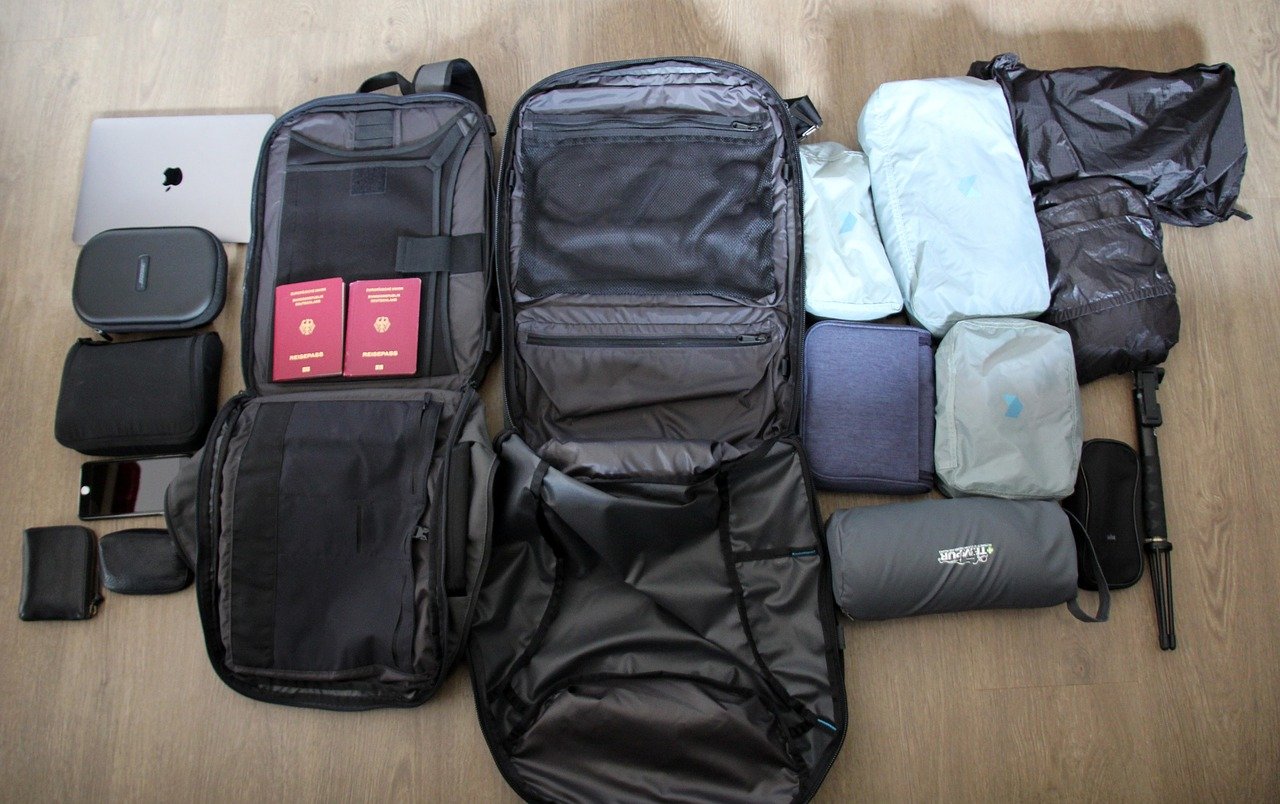
Morocco safety in busy medinas starts with calm awareness rather than constant suspicion. Crowded markets, transport hubs and popular viewpoints require the same habits I use anywhere: keep valuables zipped away, avoid displaying large amounts of cash and pause somewhere out of the flow when checking directions.
Use a cross-body bag that closes securely, and wear it across your body with the opening facing inward. I’d keep my passport and backup cards separate from my daily spending money. A small amount of cash in an accessible place is useful, while the rest can stay in a more secure location recommended by your accommodation.
Be cautious with unsolicited assistance. Some people are genuinely helpful, but a stranger who insists on guiding you, changing your route or taking you to a particular shop may expect payment or a commission. A friendly “no, thank you” and continuing toward a staffed business usually works better than arguing.
When bargaining is part of the local shopping culture, agree on the price before accepting a service. This applies to informal guiding, short rides, photographs and purchases. If the arrangement feels unclear, walk away politely. You don’t have to complete every interaction simply because it has begun.
In Marrakech, plan excursions through a reputable operator and read the full itinerary. An organized outing can also be a comfortable way to meet other travelers. You can compare day trips from Marrakech while checking pickup details, group size, transport and cancellation terms rather than choosing on price alone.
Is Morocco Safe for Americans and Other International Visitors?
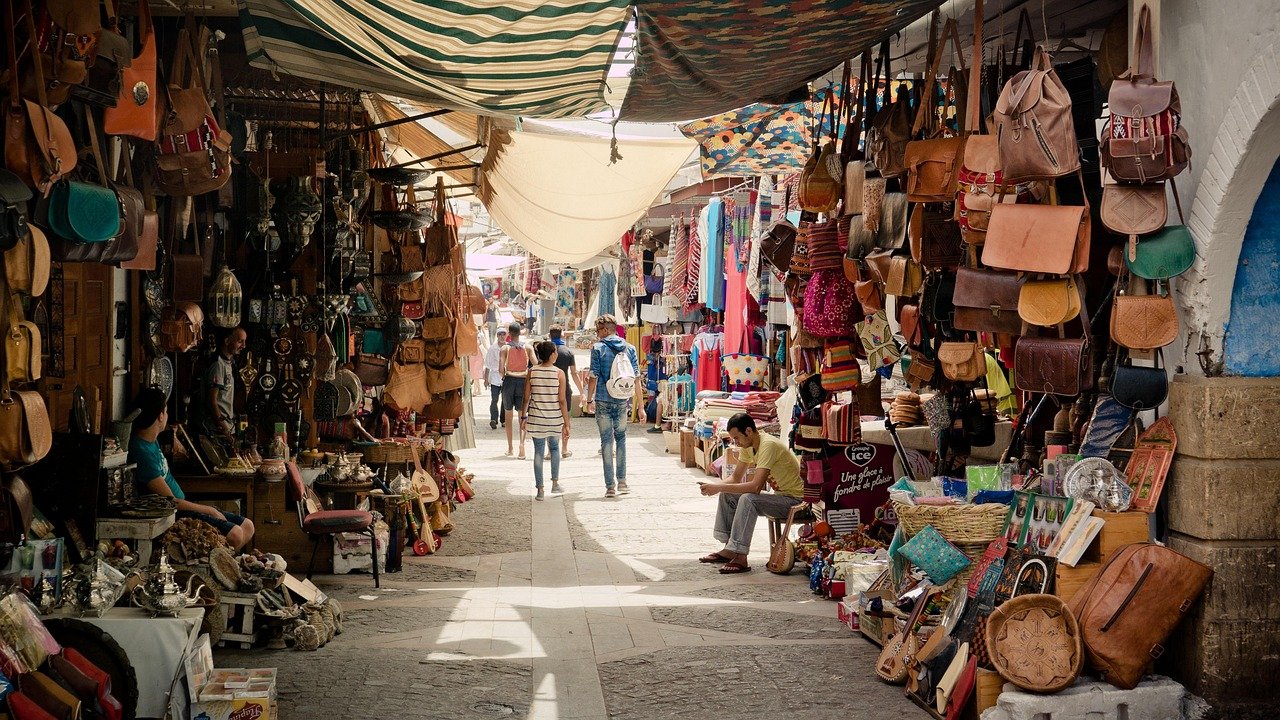
Morocco safe for americans is a common search, but practical preparation is broadly useful for visitors of any nationality. Your passport may affect entry requirements, consular support and travel advice, so check official sources specific to your citizenship before booking. I wouldn’t rely on a social-media post or an old forum answer for a rule that could affect your trip.
Save the contact details of your embassy or consulate before you leave. That doesn’t mean expecting a problem; it means avoiding a frantic search if your passport is lost or you need official assistance. Keep your passport secure, but carry the identification required for any booked activity or transport.
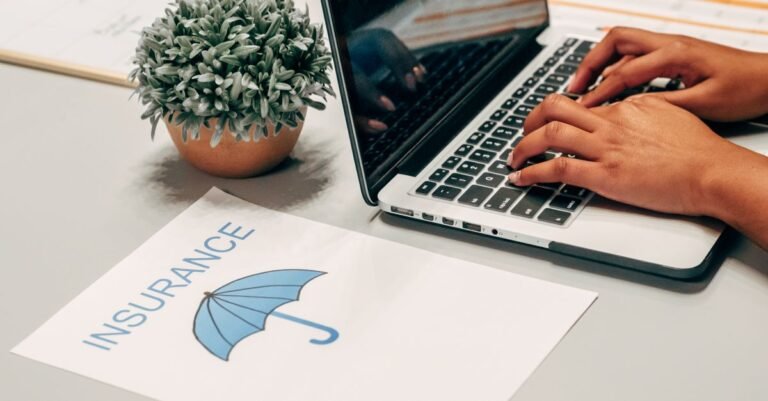
Travel insurance is another sensible layer of preparation. Read the policy rather than assuming it covers every situation. Check medical treatment, lost belongings, cancellations and any activities you plan to join. If you’re booking a desert tour, mountain excursion or other adventure, look for exclusions that could matter.
I’d also make a small health kit with regular medication, basic first-aid items and anything you personally need for changing food, heat or long travel days. For current health requirements and destination-specific advice, speak with a qualified medical professional before departure. Conditions and recommendations can change, so old travel blogs aren’t a substitute for current guidance.
Morocco Safe for Solo Travelers: How to Stay Independent
Morocco safe for solo travelers planning works best when independence is balanced with a few simple check-ins. You can explore alone without isolating yourself, and joining a walking tour, cooking class or day trip can create easy opportunities to meet people without handing over control of your whole itinerary.
Choose your first accommodation carefully and arrive with enough time to orient yourself. During the day, walk with a destination in mind, but keep your route flexible. At night, choose well-used routes, ask accommodation staff for current local advice and use a clearly identified taxi or pre-arranged transfer when that is the more practical option.
Don’t announce your full itinerary to every new acquaintance. It’s fine to say you’re traveling through Morocco without sharing your accommodation name, room number or exact next move. I’d also avoid leaving your phone, passport or wallet unattended in cafés, shared transport or busy common areas.
For longer routes, consider alternating independent days with organized experiences. A small group can make a mountain or desert journey more social, while a solo afternoon lets you follow your own interests. If you’re considering Sahara routes, read my guide to Sahara desert tours from Marrakech, Fes and Agadir and check the named destination, accommodation and transport details.
Morocco Safe for Women: Practical Planning and Boundaries
Morocco safe for women travel requires the same general awareness as any independent trip, alongside clear boundaries and clothing choices that feel comfortable in the local setting. Women’s experiences vary according to destination, age, appearance, language, travel style and whether they are alone, so I avoid promises that every traveler will experience Morocco in the same way.
Pack clothing that covers shoulders and knees for visits to conservative areas and religious sites, while choosing fabrics that work in the climate. This isn’t about losing your personal style; it’s about reducing unwanted attention and making it easier to move respectfully through different communities. A scarf or light layer is useful to keep in your day bag.
If someone’s attention feels intrusive, you don’t owe them a conversation. Move toward a café, hotel, shop or group of families, and contact your accommodation if you need support. Trust your instincts about invitations, rides and isolated locations. It’s perfectly reasonable to change your plan when an interaction doesn’t feel right.
When choosing accommodation, look for clear reception arrangements, reliable communication and recent reviews from solo travelers. Tell staff when you’re heading out for a longer excursion, but keep your room details private around strangers. For an evening meal, choose a place where you feel comfortable sitting alone and arrange your return before you leave.
Morocco Safety Tips for Transport, Taxis and Excursions
Morocco safety on the move depends on confirming the details before you get in or set off. For taxis, establish the destination and fare arrangement in advance where possible. At airports and stations, use official ranks or a pre-booked transfer rather than accepting the first unsolicited offer outside the terminal.
Keep your bags with you during transfers and check that you have your phone, passport and wallet before leaving a vehicle. For trains and buses, store larger luggage as instructed and keep valuables in a small bag you can hold or secure. If a connection is important, leave a buffer for delays and avoid building a flight around the last possible arrival.
For a private airport or intercity transfer, compare Morocco transfer options with EKTA. Confirm the pickup point, driver details, vehicle information, luggage space and cancellation terms before booking. A written confirmation is much easier to rely on than a vague verbal arrangement.
Excursions deserve the same attention. Check whether the advertised price includes meals, entry fees, guides, activities and return transport. Ask about group size and the plan if weather or road conditions change. A tour that explains its logistics clearly is easier to evaluate than one built around dramatic promises.
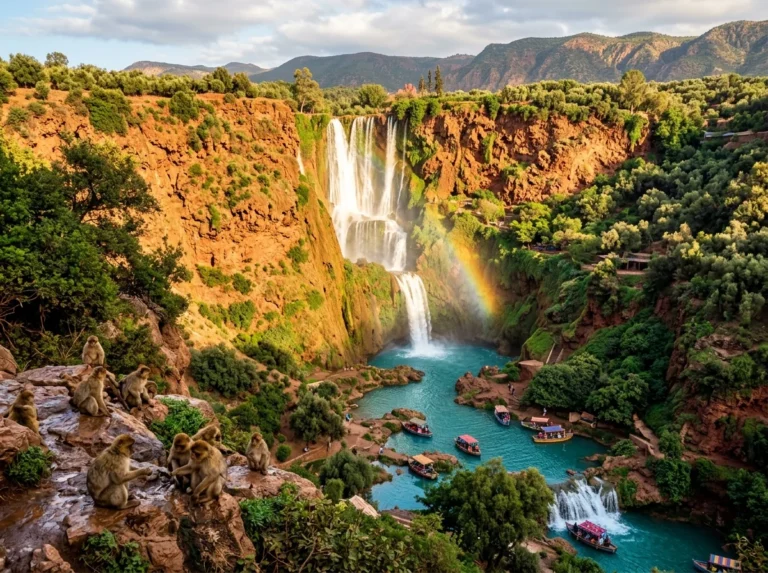
Ouzoud Waterfalls is one example where comfortable footwear, clear transport arrangements and a realistic walking plan matter. If you’re considering it, read this guide to an Ouzoud Waterfalls day trip before choosing between a group excursion, private vehicle or independent route.
Staying Connected and Handling Small Problems
Reliable communication can make Morocco safe planning feel much easier. Before leaving Wi-Fi, download your accommodation address, booking confirmations, maps and key contact numbers. Take screenshots of meeting points and save them in a folder you can access without data.
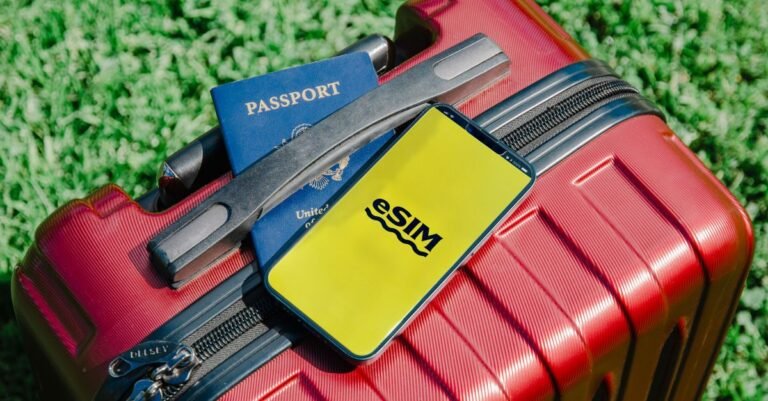
If you want mobile data from the moment you land, check Morocco eSIM options with Airalo. Confirm that your phone is compatible and unlocked, and install the eSIM according to the provider’s current instructions. Keep your accommodation address written down too; connectivity is helpful, but it shouldn’t be your only backup.
Lost belongings, a missed connection or a confusing taxi ride can feel much bigger when you’re tired. Deal with one problem at a time. Move to a staffed location, contact your accommodation, cancel a lost bank card if necessary and write down what happened while the details are fresh.
If your phone disappears, use a second device or hotel computer to contact your bank and insurer. That is why I prefer carrying a backup payment method separately from my main wallet. A little redundancy can save a lot of stress.
For official destination information, customs and current planning inspiration, visit the official Morocco tourism website. Pair it with current government travel advice and direct confirmation from your accommodation or tour operator.
Morocco Safe to Visit: Respectful Everyday Habits
Morocco safe to visit experiences are easier to build when you treat local communities as lived-in places rather than scenery. Ask before photographing people, homes, workshops or children. Dress thoughtfully for religious and rural settings, and follow instructions at historic sites, markets and transport hubs.
Learn a few polite phrases and be patient when communication takes effort. French, Arabic, Amazigh languages and English may all appear in different parts of the country, but you don’t need fluent language skills to show respect. A greeting, a thank you and a willingness to listen can change the tone of an ordinary interaction.
Be careful with alcohol, public affection and photography around sensitive locations. If you’re unsure, observe what local people are doing and ask staff or a guide. Avoid photographing police, military facilities or restricted areas. When in doubt, put the camera away.
Money habits matter too. Count change calmly, check menus before ordering and keep receipts for larger purchases. You can negotiate where it is expected, but don’t turn every small amount into a confrontation. I’d rather pay a fair agreed price and continue my day than let a minor dispute dominate the experience.
FAQ: Morocco Safe Questions Travelers Ask
Is Morocco safe to travel alone?
Morocco safe to travel alone planning is possible when you choose accommodation carefully, keep valuables secure, arrange transport clearly and share your broad itinerary with someone you trust. Start with a manageable route, use daylight for orientation and join an organized activity if you want company. Check current official advice for your destination before departure.
Is Morocco safe for Americans?
Morocco safe for americans preparation should include checking current advice from the United States Department of State, confirming entry requirements through official channels and saving embassy contact details. The same principle applies to travelers of every nationality: use advice specific to your passport and don’t rely on outdated online comments.
What are the main Morocco safety concerns for tourists?
Common practical concerns can include confusing transport arrangements, unwanted approaches, crowded areas, unclear prices and lost belongings. Morocco safety improves when you confirm fares, use secure bags, avoid displaying valuables, say no firmly to unwanted help and move toward staffed businesses when you need assistance.
Is Morocco safe for women traveling alone?
Morocco safe for women planning benefits from conservative, practical clothing, trusted accommodation, clear boundaries and sensible evening arrangements. Experiences differ, so don’t assume a strategy that worked for one traveler will suit everyone. If attention becomes unwelcome, enter a hotel, café or shop and ask staff for help.
Is Morocco safe to visit for a first trip?
Morocco safe to visit preparation is especially valuable on a first trip. Plan your arrival, keep documents backed up, arrange your first transfer, research local customs and leave space between connections. You can be independent without trying to solve every logistical detail spontaneously.
If you’re ready to organize the practical side, I’d start by comparing your airport or intercity transfer through EKTA’s current Morocco transfer options, then check Airalo’s Morocco eSIM plans if staying connected will make your arrival easier. Confirm all current terms before paying, save your booking details offline and keep your plan flexible.
What to Do Next for a Morocco Safe Trip
Morocco safe planning isn’t about removing every unknown from your journey. It’s about reducing avoidable stress so you can focus on food, landscapes, architecture, conversations and the small discoveries that make independent travel rewarding. Check current official advice, prepare your arrival, secure your essentials and choose transport and activities with clear terms.
My next step would be to write a one-page travel plan with your accommodation addresses, transport confirmations, emergency contacts and backup payment details. Then leave room for curiosity. A Morocco safe trip can still be spontaneous—it just works better when the important basics are already handled.
This post contains affiliate links. If you book through them, I may earn a small commission at no extra cost to you.