Best Time to Visit Morocco
Visit morocco in the right season and the country opens up in layers: cool mornings in a medina, warm afternoons on the coast, and clear desert skies after sunset. The best time depends on the kind of journey you want, because Morocco’s landscapes and weather change dramatically between the Atlantic coast, inland cities, the Atlas Mountains, and the Sahara.
For a first trip, I’d usually look at spring or autumn. March to May and September to November offer a useful balance for exploring cities, walking in the mountains, and planning a desert excursion. That said, summer can be excellent on the Atlantic coast, while winter brings sunny days, quieter medinas, and snow in the high Atlas. There isn’t one perfect answer—only the season that fits your route.
Table of Contents
When to Visit Morocco for the Best All-Round Experience
The best all-round time to visit Morocco is spring or autumn, when temperatures are generally comfortable across more regions than in the height of summer or the coldest winter nights.
Spring, from March through May, brings greener valleys, blooming gardens, and pleasant conditions for exploring Marrakech, Fes, Chefchaouen, and the Atlas Mountains. It’s a popular period, so I’d reserve accommodation ahead if your dates are fixed. The later part of spring can become warmer inland, particularly around Marrakech and the desert.
Autumn, from September through November, is another strong choice. Inland heat begins to ease, the desert becomes more appealing, and the coast still has plenty of life. September can retain summer warmth, while November often feels cooler in the evenings. Pack layers rather than assuming one temperature will describe the whole country.
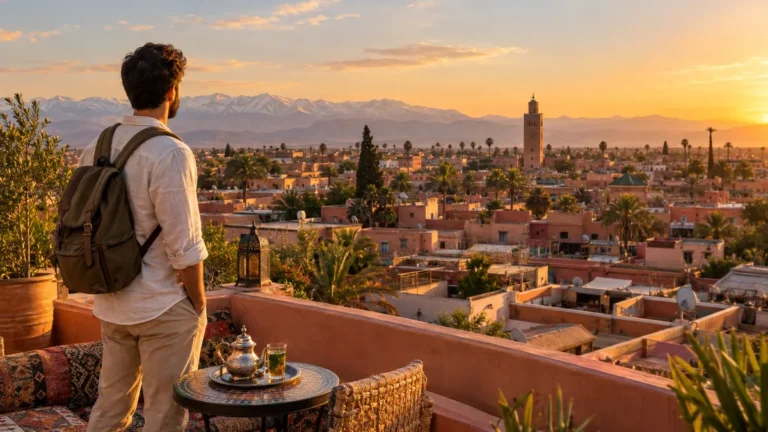
These shoulder-season months suit independent travelers especially well. You can spend a morning in a busy souk, take a train or bus to another city, and still have comfortable evenings for rooftop dinners or wandering. For a useful overview of routes, transport, and first-trip planning, see this Morocco travel guide for first-time visitors.
Visit Morocco by Season: What Each Period Offers
Each season gives you a different way to visit Morocco, so your choice should follow the experiences you care about most.
Spring: March to May
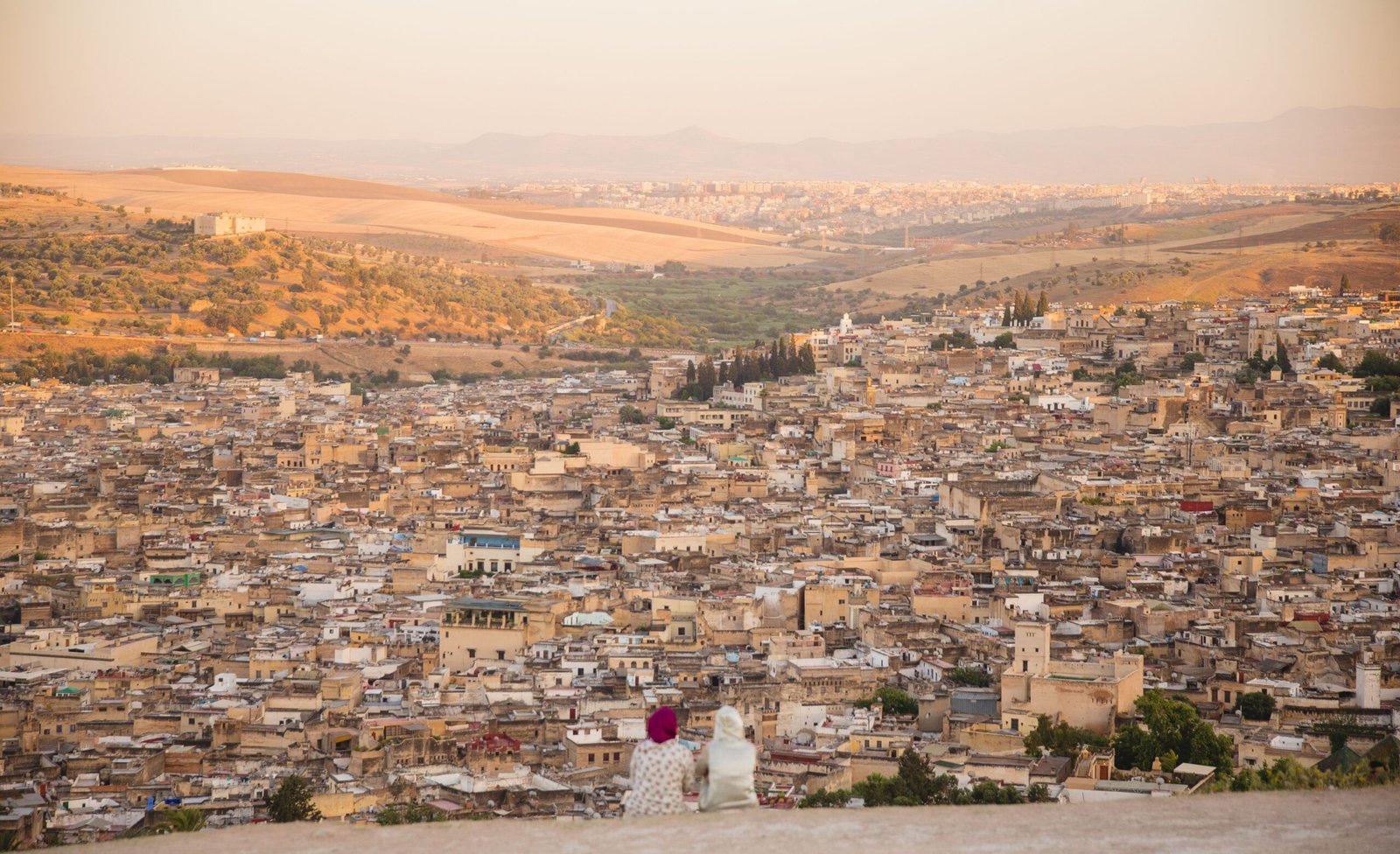
Spring is one of the easiest periods for a wide-ranging itinerary. Days are often comfortable for medina walks and day trips, while mountain valleys can feel fresh and green. This is a good window for combining Marrakech with the Atlas Mountains, Fes, Chefchaouen, or a southern route.
Spring is also a popular time to hike. Conditions vary by altitude, and higher routes can still be cold or affected by snow early in the season, so check local conditions before setting out. If you want a quieter experience, consider traveling later in May or choosing smaller towns between major stops.
Summer: June to August
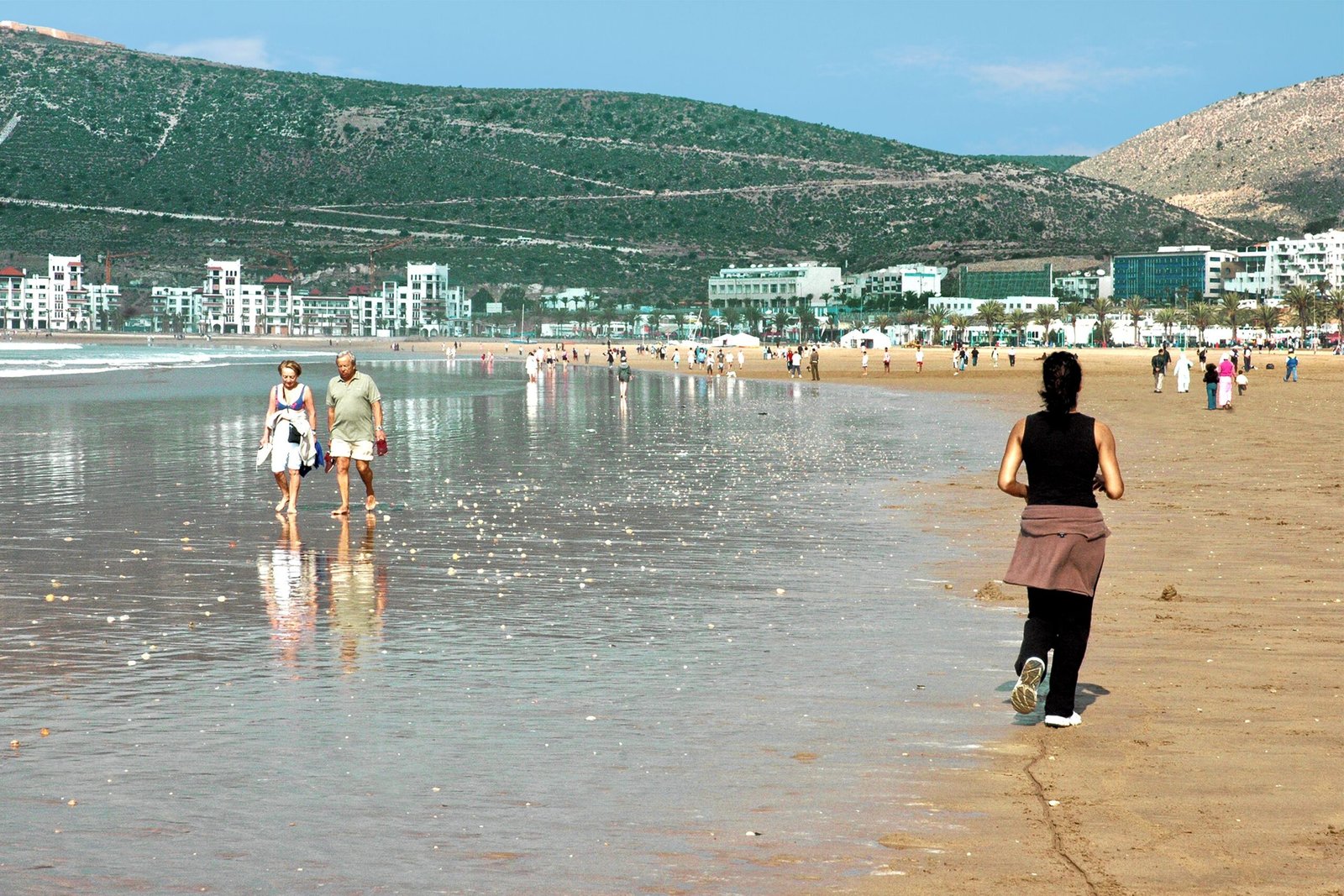
Summer can be very hot in inland cities and desert regions, but that doesn’t mean you should rule out a summer trip. The Atlantic coast offers a cooler alternative, with places such as Essaouira, Agadir, and Tangier working well for travelers who want sea air, seafood, or time near the beach.
Plan inland sightseeing for early morning or late afternoon, and avoid cramming too many outdoor activities into the middle of the day. A summer itinerary focused on the coast, with only a short stay in Marrakech or Fes, can be far more comfortable than trying to cross the country at speed.
Autumn: September to November
Autumn is a flexible season for visit morocco plans. September can still feel summery, but the cooler pattern strengthens through October and November. This is a popular period for combining imperial cities, the Sahara, and mountain scenery.
Autumn also works nicely for travelers who prefer a little more breathing room than the busiest spring weeks. As always, conditions vary by region: a mild afternoon in Essaouira doesn’t tell you what to expect at night in the desert or at altitude in the Atlas Mountains.
Winter: December to February
Winter brings sunny days to many lowland areas, but nights can be surprisingly cold. Marrakech and the coastal cities can be rewarding in winter, while the high Atlas receives snow and the Sahara can feel bitterly cold after dark.
Winter is a good choice if you enjoy crisp mornings, less intense heat, and a slower pace in the medinas. Bring a warm layer for riads, desert camps, and mountain routes; traditional buildings don’t always feel as warm indoors as their courtyards look inviting.
Visit Morocco for the Sahara, Mountains, and Coast
The best time to visit Morocco changes with the region, and the biggest mistake is treating the country as if it has one climate.
The Sahara Desert
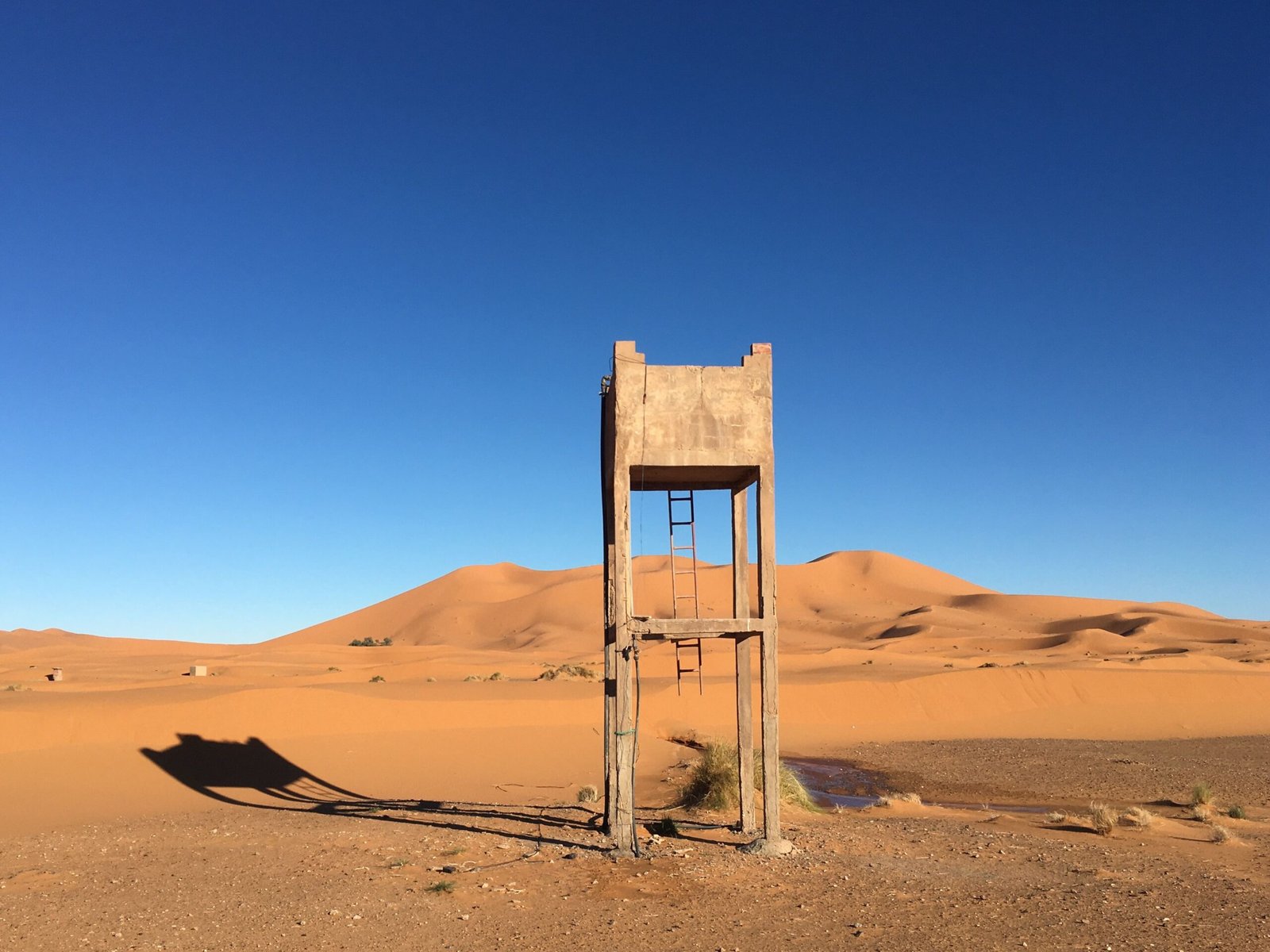
For the Sahara, autumn through spring is generally more comfortable than the hottest summer months. October to April is a popular planning window for desert trips, but nights can be very cold in winter. A desert itinerary should include warm layers, comfortable footwear, sun protection, and realistic expectations about long travel days.
Merzouga and Erg Chebbi are often reached as part of a multi-day route from Marrakech or Fes. Before booking, check what your excursion includes: transport, accommodation, meals, guide services, camp standard, and optional activities. A group tour can be a practical option for solo travelers because it combines logistics with an easy chance to meet other people.
The Atlas Mountains
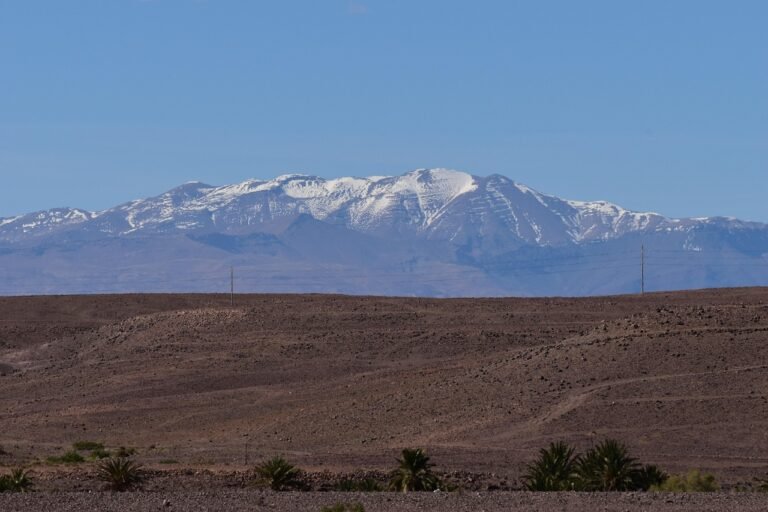
Spring and early summer can be rewarding for mountain walks, while September and October are also popular for hiking. Snow and conditions at higher elevations can make winter routes more demanding, so a mountain itinerary needs more preparation than a city break.
Day trips from Marrakech are convenient for a first taste of mountain landscapes, but staying longer lets you slow down and support local guesthouses and guides. If you’re planning a serious hike, arrange an experienced local guide and verify current trail conditions rather than relying only on a general seasonal pattern.
The Atlantic Coast
The coast is Morocco’s best summer escape from inland heat. Essaouira’s medina, harbor, and strong Atlantic breeze appeal to travelers who want culture without the intensity of a large inland city. Agadir suits a more beach-oriented break, while Tangier works well as part of a northern route.
Even outside summer, the coast can be breezy and cool after sunset. I’d pack a light jacket year-round and leave room for relaxed harbor meals, long walks, and a slower schedule between more demanding inland stops.
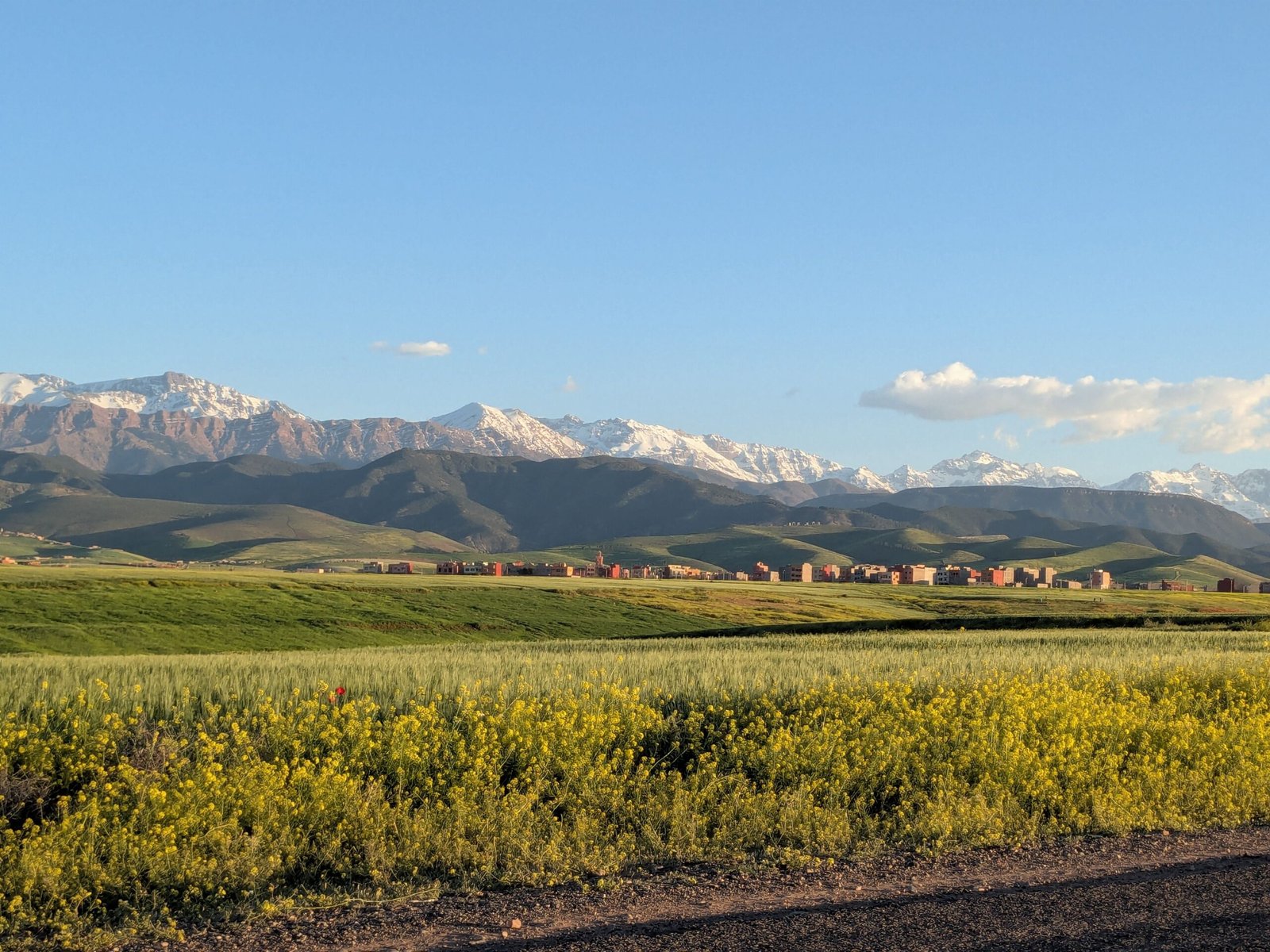
Visit Morocco Month by Month
A month-by-month approach helps when your dates are fixed, especially if you’re choosing between a desert route, a beach stay, or a mountain trip.
- January: A cooler period for inland cities, with cold desert and mountain nights. Consider Marrakech, the coast, or winter scenery in the Atlas Mountains.
- February: A good month for city exploration and southern landscapes, though evenings remain cold. Almond blossoms can appear in parts of southern Morocco.
- March: Spring conditions begin, with improving weather for cities and lower mountain routes.
- April: One of the most balanced months for a broad itinerary, including medinas, mountains, and the desert.
- May: Warm and lively, with greener landscapes earlier in the month and hotter inland afternoons later on.
- June: Inland heat increases, while the Atlantic coast becomes especially attractive. Essaouira is a natural choice for a cooler base.
- July: Plan around the heat inland and focus outdoor sightseeing on the cooler parts of the day.
- August: Coastal towns remain useful for a summer itinerary, while desert and inland excursions require careful timing.
- September: A transition month, often still warm but increasingly comfortable for wider routes.
- October: An excellent month for city visits, mountain walks, and desert travel, with layers for cooler evenings.
- November: Cooler and often quieter, with pleasant lowland days and chilly nights in the desert and mountains.
- December: A good period for Marrakech and coastal cities, provided you prepare for short winter days and cold evenings.
Festival dates change from year to year, and Ramadan follows a lunar calendar, so check the dates for your travel year before booking. During Ramadan, many businesses adjust their daytime routines. Travel remains possible, but meals and transport may require more planning, particularly outside tourist centers.
How the Season Changes Your Morocco Itinerary
Your route should respond to the season rather than forcing the same itinerary into every month.
In spring or autumn, a first-time route might combine Marrakech, the Atlas Mountains, a desert excursion, and Fes. This is ambitious, so allow enough time for long transfers and don’t treat every destination as a quick photo stop. If you have fewer days, choose Marrakech plus either the coast or the mountains instead of attempting the entire country.
In summer, build around Essaouira, Agadir, or Tangier and place inland sightseeing early in the day. A coastal itinerary can still include Moroccan food, markets, historic architecture, and social experiences without making heat the main story of the trip.
In winter, keep your route flexible around mountain weather and make sure accommodation has a practical heating solution. The Sahara can be beautiful in winter, but pack for cold nights rather than assuming desert means warm.
Transport also affects seasonal comfort. Trains connect major cities, while CTM and Supratours buses serve destinations beyond the main rail network. Walking is often the easiest way to explore central areas, but city taxis and transfers can save energy when the heat is intense or your luggage is heavy.
Budget and Booking Tips for the Best Time to Visit Morocco
The best time to visit Morocco isn’t necessarily the cheapest, so compare the cost of flights, accommodation, and tours together rather than focusing on one bargain.
Spring and autumn are popular, which can increase demand for well-located riads and organized desert trips. Summer may offer better value inland, although coastal accommodation can be popular. Winter can be attractive for budget travelers, but include warm rooms, extra layers, and weather flexibility in your planning.
For a practical cost framework covering budget, mid-range, and luxury travel, read this guide to how much a trip to Morocco costs. It’s also worth leaving space for a memorable splurge—perhaps a cooking class, a guided medina walk, or a carefully chosen desert experience—instead of trying to make every day as cheap as possible.
When you’re ready to book, compare Morocco flight options on Aviasales across several dates and arrival airports. For activities, browse Morocco tours on Klook and check the inclusions, group size, pickup details, and cancellation terms before paying.
Practical Advice Before You Visit Morocco
A few simple preparations make seasonal differences much easier to handle.
- Pack layers. A warm afternoon can turn into a cool evening, particularly in the desert, mountains, and coastal towns.
- Plan around daylight and heat. Keep strenuous walks for morning or late afternoon in summer.
- Carry cash for small purchases. Markets, taxis, and small cafés may not accept cards.
- Dress respectfully. Lightweight clothing covering shoulders and knees is practical beyond resort settings.
- Ask before photographing people. A respectful approach makes interactions more positive.
- Check official updates. For destination inspiration and practical planning information, consult the official Morocco tourism website.
Most importantly, leave some unplanned time. Morocco rewards travelers who pause for tea, browse one more market street, or stay an extra night when a place feels worth understanding properly.
If you want to keep planning simple, use Aviasales to compare flights and Klook to explore tours and activities that suit your route. Booking through Aviasales flight searches and Klook Morocco experiences can help you turn a season into a workable itinerary.
What to Do Next When You Visit Morocco
Choose your priority first: comfortable sightseeing in spring or autumn, a cooler coastal escape in summer, or quieter cities and snowy mountain scenery in winter. Then build a route that respects the distances between regions and leaves room for weather changes.
Once you know when to visit Morocco, choose your arrival city, reserve accommodation that matches the season, and book only the experiences that genuinely excite you. The right timing won’t remove every surprise—and that’s part of the appeal—but it will give you more space to enjoy the medinas, mountains, coast, and desert on your own terms.
This post contains affiliate links. If you book through them, I may earn a small commission at no extra cost to you.