Best Time to Visit Greece: 7 Essential Months for an Amazing Trip
The best time to visit Greece depends on what you want from the trip: warm swimming weather, quiet island lanes, long evenings, archaeology without intense heat, or a smoother route through Greece and Italy. I wouldn’t choose a month based on sunshine alone. Greece changes dramatically between the mainland, the islands, and the mountains, and your ideal season may be different from another traveler’s.
This guide breaks down seven useful months for an independent trip, from spring’s fresh landscapes to autumn’s lingering sea temperatures. I’ll also explain the best time to visit Greece weather-wise, how to avoid the busiest periods, which months suit the best time to visit Greece islands, and how to think about the best time to visit Greece Santorini plans.
Table of Contents
Best Time to Visit Greece at a Glance
The best time to visit Greece for most independent travelers is during May, June, September, or October, when you can balance pleasant conditions, open attractions, and a less intense pace than the core summer period.
May and June are especially appealing if you want warm days, outdoor sightseeing, and a good chance of enjoying the coast before the peak summer rhythm. September is excellent for travelers who want the sea, while October suits visitors more interested in food, history, walking, and a slower island atmosphere. July and August bring the strongest summer energy, but they can also mean more demand, busier transport, and hotter sightseeing conditions.
There is no single perfect month. Athens, Crete, the Cyclades, Corfu, and the northern mainland can all feel different at the same time. Before booking, decide whether beaches, historic sites, hiking, nightlife, or local festivals matter most.
Best Time to Visit Greece Weather by Month
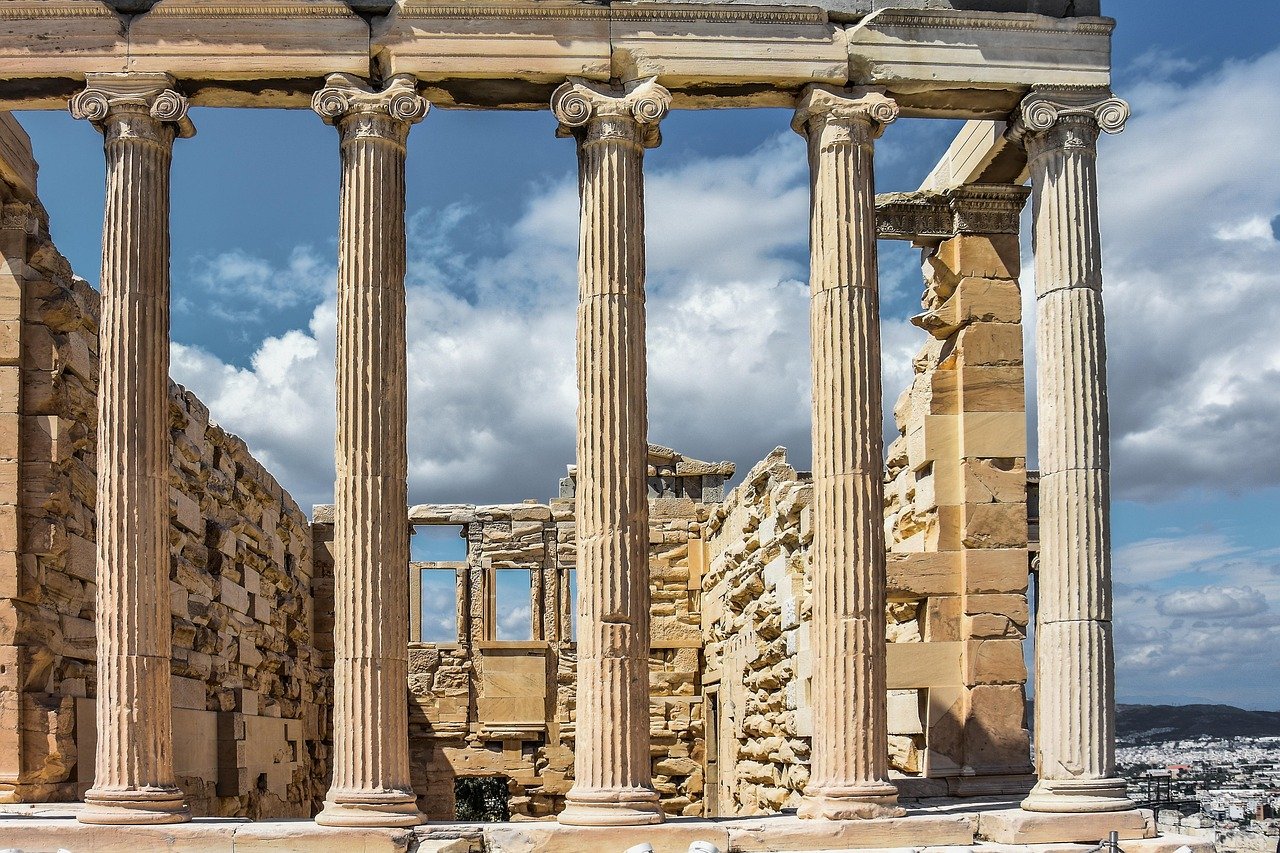
The best time to visit Greece weather-wise is usually the shoulder season, particularly late spring and early autumn, because the days can support sightseeing and the coast without making every outdoor activity feel demanding.
April: Spring Landscapes and Cultural Travel
April is a good choice for travelers who want ancient sites, city walks, villages, and countryside rather than a guaranteed beach holiday. Spring can bring green landscapes and a lively feeling after winter, but coastal conditions may not suit everyone’s idea of swimming weather.
I’d choose April for Athens, the Peloponnese, museums, food, and road-based exploration. Pack layers and a light rain jacket, and keep outdoor plans flexible. If your dream is spending every afternoon in the sea, a later month is a more reliable starting point.
May: A Flexible All-Rounder
May is one of the strongest candidates for the best time to visit Greece. The mainland is rewarding for walking and archaeology, while many island destinations begin to feel properly active without the full intensity of high summer.
This month suits solo travelers particularly well. You can combine a few organized experiences with independent wandering, and cafés, ferries, and accommodation tend to support a more relaxed routine than during the busiest part of the year. Check the precise opening arrangements for seasonal businesses before planning around them.
June: Warm Seas and Long Days
June works beautifully for travelers who want a beach-and-culture combination. Days are long, the islands have plenty of energy, and you can still build an itinerary that includes archaeological sites, boat trips, and evenings in small towns.
Book important transport and accommodation with care, especially if your dates overlap with popular events or school holidays in your market. I’d avoid arranging a tightly packed ferry sequence. One delayed connection can turn a relaxed island route into a stressful travel day.
July: Peak Summer Atmosphere
July is ideal for travelers who actively want Greece at its liveliest: beach clubs, late dinners, busy waterfronts, and a strong social scene. It is also a month when heat can affect how much sightseeing you comfortably manage, so plan historic sites for mornings or later afternoons.
If you want the best time to visit Greece to avoid crowds, July is not the obvious choice. You can still find quieter corners by staying longer, starting early, and choosing less famous villages, but the headline islands and major attractions may feel busy. Reserve essential rooms and activities ahead, then protect time for unplanned breaks.
August: High-Energy Island Travel
August suits travelers who want the classic summer island experience and don’t mind sharing it with many other visitors. Swimming, sailing, nightlife, and long outdoor meals are central to the month’s appeal, while mainland sightseeing may require more patience in the heat.
This is the month to be realistic about your priorities. If you want a quiet romantic retreat, a remote hiking route, or a low-cost spontaneous trip, August may require more advance planning and compromise. If you do travel then, consider staying several nights in each base instead of moving constantly.
September: Warm Water and a Softer Pace
September is one of my favorite months to recommend for the best time to visit Greece, especially for travelers who want the islands without committing to the most crowded summer period. Sea-focused plans can still be attractive, evenings remain enjoyable, and the overall rhythm often feels less frantic.
It’s also a strong month for meeting people. Hostels, group boat trips, cooking classes, and walking tours can create natural connections, while you still have plenty of room for solo time. Check current ferry schedules and seasonal activity availability for your dates rather than assuming every summer service continues unchanged.
October: Food, History, and Shoulder-Season Wandering
October is a smart choice when your best time to visit Greece priorities are cultural sites, food, photography, villages, and walking rather than guaranteed beach weather. Crete and some southern destinations can remain appealing for coastal time, but conditions vary and you should build a flexible plan.
I like the idea of pairing Athens with one island or mainland region in October, rather than attempting an ambitious multi-island route. You’ll have more time to linger over lunch, visit a museum, and respond to the forecast without feeling that you are wasting a beach day.
Best Time to Visit Greece to Avoid Crowds
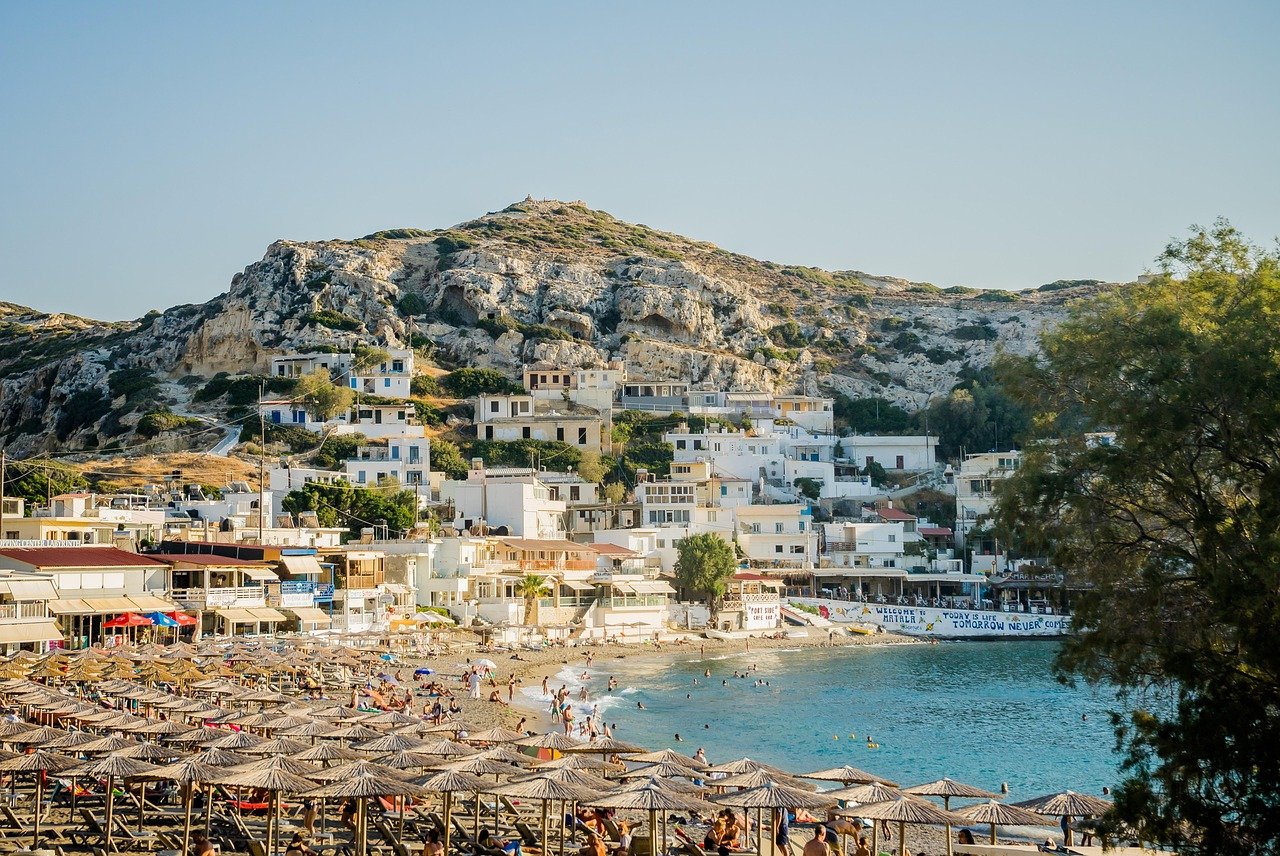
The best time to visit Greece to avoid crowds is generally outside July and August, with May, early June, late September, and October offering better chances of a calmer experience.
“Avoiding crowds” doesn’t mean finding an empty Santorini or a completely quiet Acropolis. It means choosing your timing and habits carefully. Visit famous archaeological sites early, stay overnight in places that day-trippers leave, and consider smaller islands or mainland towns with good transport connections.
Spring and autumn also make it easier to have the kind of local interactions I value: sitting at a neighborhood taverna, asking for a food recommendation, or chatting with other travelers in a shared space without feeling swept along by a constant rush.
For arrival planning, compare flight routes and dates with Aviasales flight searches for Greece. Check baggage terms, airport details, and the complete connection before booking rather than choosing only by the headline fare.
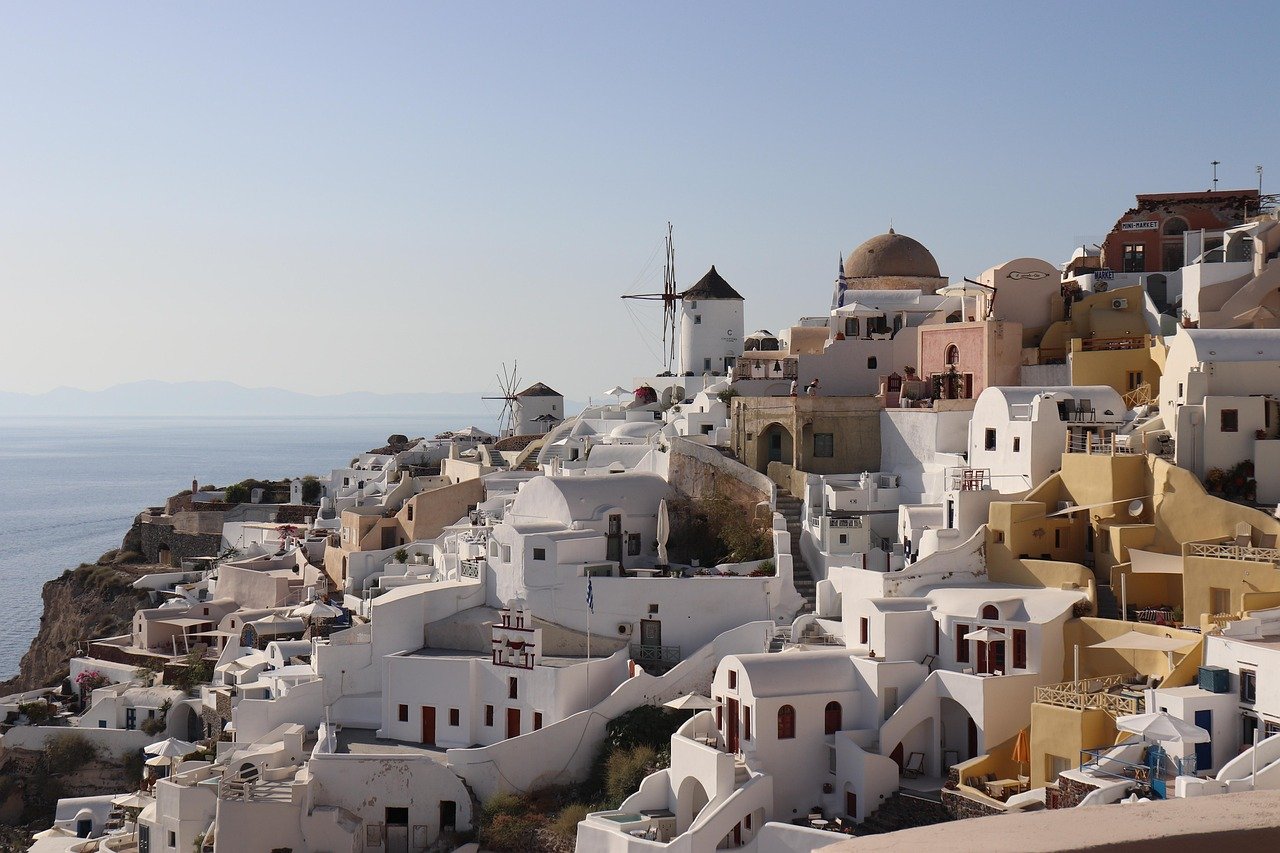
Best Time to Visit Greece Islands for Different Travel Styles
The best time to visit Greece islands depends on whether you want nightlife, swimming, hiking, solitude, or a simple route with fewer moving parts. The islands are not one uniform destination, so choose the season after choosing the kind of island trip you want.
For Beach Days and Swimming
June through September is the strongest period to research if swimming and long beach days are your main goals. June and September often offer a more balanced rhythm than the central summer months, while July and August suit travelers who want the busiest summer atmosphere.
Don’t assume every beach has the same conditions. Wind, boat access, shade, and local transport can shape the experience. Before booking a beach-focused stay, check how you’ll reach the shoreline and what you’ll do if the weather changes.
For Nightlife and Meeting Other Travelers
July and August usually appeal most to travelers looking for a lively social scene, though May, June, and September can also be excellent for hostels, group activities, and casual evening connections.
Solo travel doesn’t have to mean being isolated. Choose accommodation with a common area, join a small-group excursion, or book a food or craft experience. I’d rather plan one social activity and leave the rest open than spend every day trying to recreate a party atmosphere.
For Walking and Smaller Towns
April, May, October, and parts of November can be more comfortable for walking-focused travel, although you’ll need to check current conditions and seasonal opening arrangements. These months can give villages, landscapes, and historic sites more space in your itinerary.
Bring sturdy shoes, sun protection, and layers. Island weather can be changeable, and a beautiful walking route is much less enjoyable when you’ve dressed only for the beach.
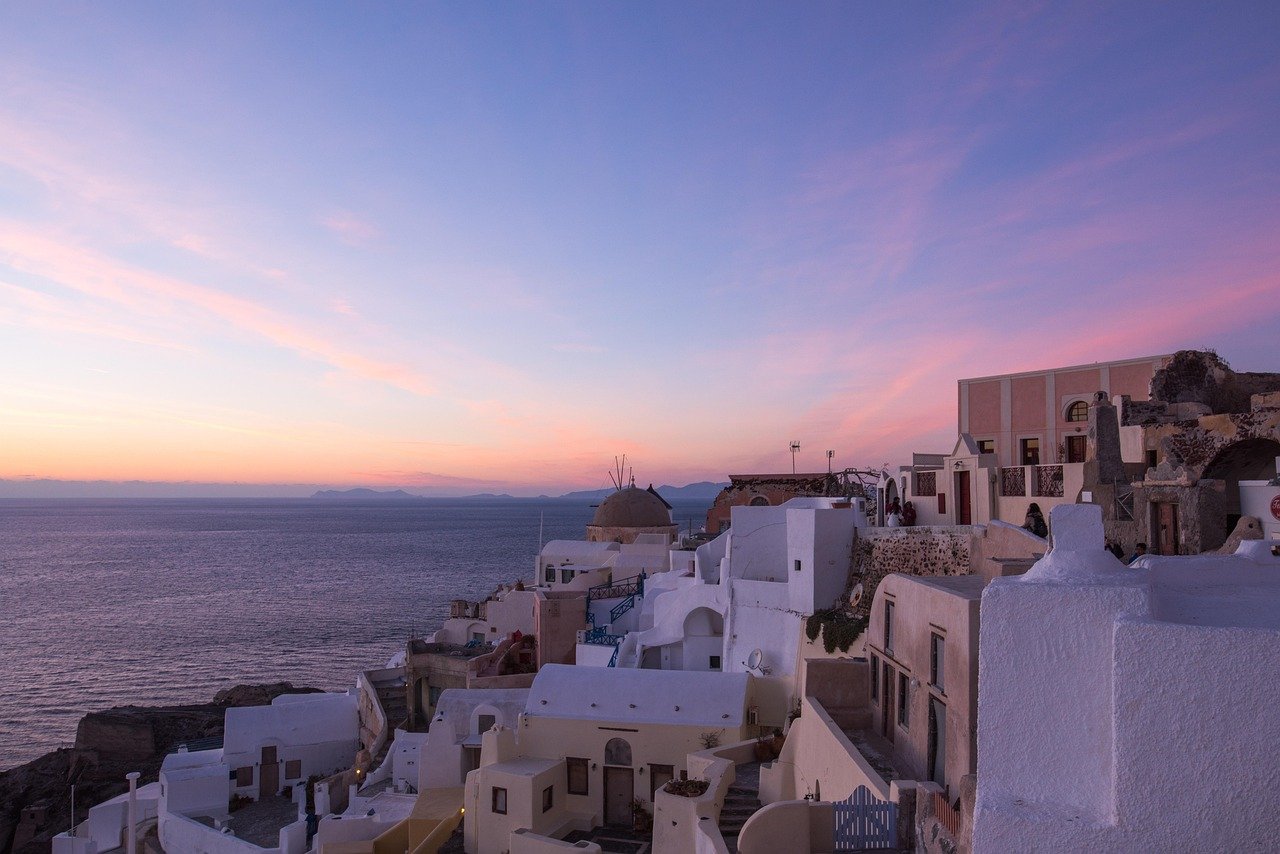
Best Time to Visit Greece Santorini Without Rushing
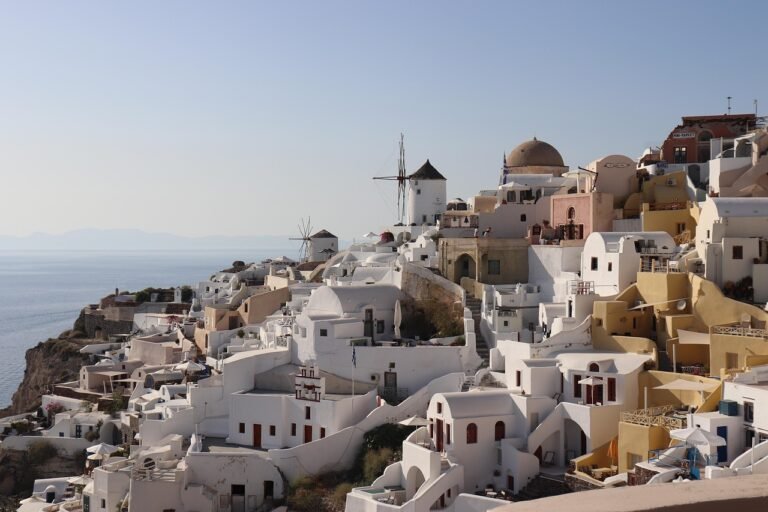
The best time to visit Greece Santorini plans is usually late spring or early autumn if you want to combine famous views with a more manageable pace. September can be especially appealing for travelers who want sea time and evenings outdoors, while May suits those who prefer exploring and photography.
Santorini is easy to reduce to viewpoints and sunset crowds, but I’d encourage you to slow down. Walk through more than one settlement, set aside time for food, and consider exploring beyond the most photographed caldera route. The island’s volcanic landscape and villages deserve attention even when the light is not perfect.
Stay several nights if your budget and itinerary allow. A rushed overnight stop can make a beautiful destination feel like a queue between transport connections. If you’re arranging a boat trip or guided experience, compare Santorini tours and island activities on Klook. Review the meeting point, inclusions, group size, and cancellation conditions carefully.
Best Time to Visit Greece and Italy in One Trip
The best time to visit Greece and Italy together is usually May, June, September, or early October, when you can plan city walks, historic sites, and coastal time without building the entire journey around peak summer conditions.
The key is resisting the temptation to cover too much. Greece and Italy both reward slow travel, and every additional flight, ferry, or train can take more time than the map suggests. I’d choose two or three bases in Italy and one or two in Greece, linked by practical transport rather than by a wish list.
For example, you might pair Rome with Athens and one island, or northern Italy with Corfu or a mainland route. The right combination depends on current transport schedules, your nationality-specific entry requirements, and whether you want an urban, cultural, or beach-heavy trip. Verify all of those details for your travel year before booking.
Use the day-trip planning approach in this guide as a useful reminder: group destinations by travel experience, not only by famous names. A beautiful itinerary can still feel exhausting when every other day is a transfer.
Practical Planning for the Best Time to Visit Greece
Choosing the best time to visit Greece is only the first step; the quality of the trip also depends on how you arrange your route, accommodation, and daily pace.
- Match the month to your priorities. Choose spring or autumn for walking and culture, early summer for a broad mix, and high summer for a classic beach and nightlife trip.
- Build in weather flexibility. Keep an indoor alternative, especially when traveling outside the main summer season.
- Limit island-hopping. Fewer bases mean more time for local food, beaches, villages, and spontaneous plans.
- Check current transport details. Ferry routes, seasonal services, attraction rules, and flight schedules can change.
- Pack for transitions. Comfortable shoes, sun protection, a light layer, and a rain jacket are useful beyond the beach.
- Book strategically. Reserve accommodation and popular activities when dates are busy, but don’t pre-book every hour.
For destination inspiration beyond Greece, our guide to where to stay in Paris explains why the right base can shape an entire trip. The same principle applies here: choose accommodation near the experiences you care about, not merely the most famous address.
Travelers adding Athens to a wider route may also enjoy our guide to things to do in Nice, France, especially if they’re comparing Mediterranean cities and want to balance museums, food, waterfront walks, and slower evenings.
FAQ
What is the best time to visit Greece weather-wise?
The best time to visit Greece weather-wise is commonly May, June, September, or October, depending on whether you prioritize swimming, walking, or cultural sightseeing. Check conditions for your exact region and dates.
What is the best time to visit Greece to avoid crowds?
The best time to visit Greece to avoid crowds is usually May, early June, late September, or October. Start major sightseeing early and consider smaller islands or mainland towns for a calmer itinerary.
What is the best time to visit Greece islands?
The best time to visit Greece islands depends on your plans. June and September are strong all-round choices, July and August suit nightlife, and spring or autumn can be better for walking and quieter exploration.
What is the best time to visit Greece Santorini?
The best time to visit Greece Santorini is often May, June, September, or early October, when you can combine the caldera, villages, food, and sea with a more flexible pace.
When you’re ready to organize the trip, use Aviasales to compare flights to Greece and Klook to browse Greek tours and activities. Check the full booking conditions before confirming either.
Your Next Step for the Best Time to Visit Greece
The best time to visit Greece is the month that supports the trip you actually want to take. Choose May, June, September, or October for a flexible balance; choose July or August for full summer energy; and choose April or October when history, food, and walking matter more than guaranteed beach conditions.
Now pick your top three priorities, choose no more than two or three bases, and check current flights, ferries, opening arrangements, and weather for your dates. Leave some empty space in the itinerary. Greece is at its best when a long lunch, a quiet village road, or an unexpected local recommendation has room to become part of the journey.
This post contains affiliate links. If you book through them, I may earn a small commission at no extra cost to you.