Best Time to Visit Japan: 7 Essential Seasons You’ll Love
The best time to visit japan depends on the kind of journey you want: pink blossoms, crisp mountain air, warm beach days, colorful autumn walks or quieter city streets. Japan changes character throughout the year, and choosing your season can shape everything from your budget and packing list to how much space you have at popular temples and viewpoints.
I don’t think there is one perfect month for every traveler. Spring is famous for good reason, but it can also bring high demand. Summer offers festivals, hiking and long days, while winter rewards travelers who enjoy snow, hot springs and bright city evenings. Autumn often delivers a wonderful balance of comfortable weather and rich scenery. The best time to visit japan is really the season that matches your priorities.
This guide breaks the year into seven practical travel windows, including shoulder-season ideas for travelers searching for the best time to visit japan to avoid crowds. I’ll also cover the best time to visit japan weather, the best time to visit japan for cherry blossoms, and how to think about the best time to visit japan 2027 without relying on a rigid prediction.
Table of Contents
Best Time to Visit Japan: Start With Your Travel Style
The best time to visit japan starts with deciding what you want your days to feel like. If you’re drawn to gardens, seasonal food and long city walks, spring or autumn may suit you. If you want beaches, mountain trails and lively festivals, summer could be the better choice. For snowy landscapes, winter has a very different appeal.
Japan is geographically varied, so conditions can differ between northern Hokkaido, the main island of Honshu, southern Kyushu and the islands of Okinawa. I’d avoid planning the entire country around one generic forecast. Instead, map out your route first, then compare the seasonal conditions in the places you actually intend to visit.
Your travel style matters just as much as the weather. Solo travelers may enjoy a quieter shoulder season, when it can feel easier to find a seat at a small restaurant or join a local activity. Budget-conscious travelers should compare flight and accommodation prices for several weeks rather than assuming the most famous season is the only worthwhile one.
For flights, I recommend comparing several departure dates before committing. You can compare Japan flight prices on Aviasales and then check the total cost of transport, accommodation and activities together. A slightly cheaper flight isn’t always the better deal if it forces an expensive route or an awkward arrival.
Spring: The Best Time to Visit Japan for Cherry Blossoms
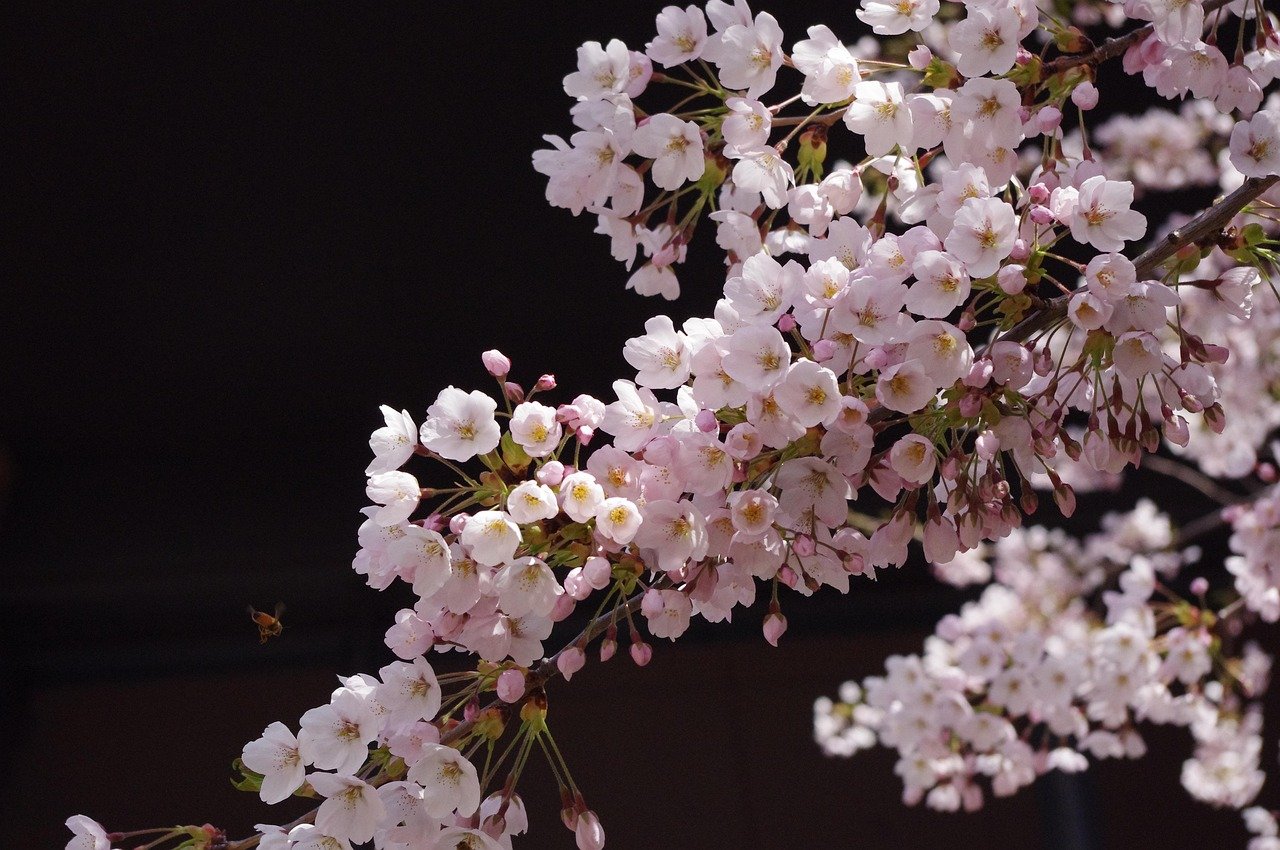
Spring is often the best time to visit japan for cherry blossoms, especially for travelers who want seasonal gardens, gentle temperatures and a strong sense of renewal in the cities. Blossoms do not appear everywhere at the same moment, so flexibility is more useful than choosing a single “perfect” week far in advance.
The best time to visit japan for cherry blossoms varies by region and year. Flowering can move earlier or later depending on the weather, and peak viewing windows are short. If blossoms are central to your trip, build an itinerary with more than one possible viewing area rather than tying the whole journey to one park.
Spring is also a lovely season for wandering beyond headline attractions. Look for neighborhood shrines, riverside paths, public gardens and smaller towns where seasonal life continues without the pressure of a major sightseeing queue. I find that arriving early, carrying a picnic responsibly and staying aware of residents can make blossom viewing much more pleasant.
The trade-off is demand. Popular destinations may feel busy, and transport or accommodation can become harder to arrange during peak periods. Book cancellable rooms where possible, keep your route realistic and resist changing cities every night. A slower trip often gives you more chances to notice the details that made you choose spring in the first place.
How to plan a spring trip
Use current local forecasts close to departure, but don’t expect a forecast months ahead to identify the exact peak. Pack layers, rain protection and comfortable shoes. If you’re traveling alone, consider joining one food walk, garden tour or cultural class so you can meet people while keeping most of your itinerary independent.
Spring is also a good moment to learn a few etiquette basics. Ask before photographing people, avoid blocking narrow paths and follow signs in gardens and temples. Seasonal beauty is shared by visitors and local communities, not reserved exclusively for cameras.
Early Summer: A Flexible Window for Cities and Culture
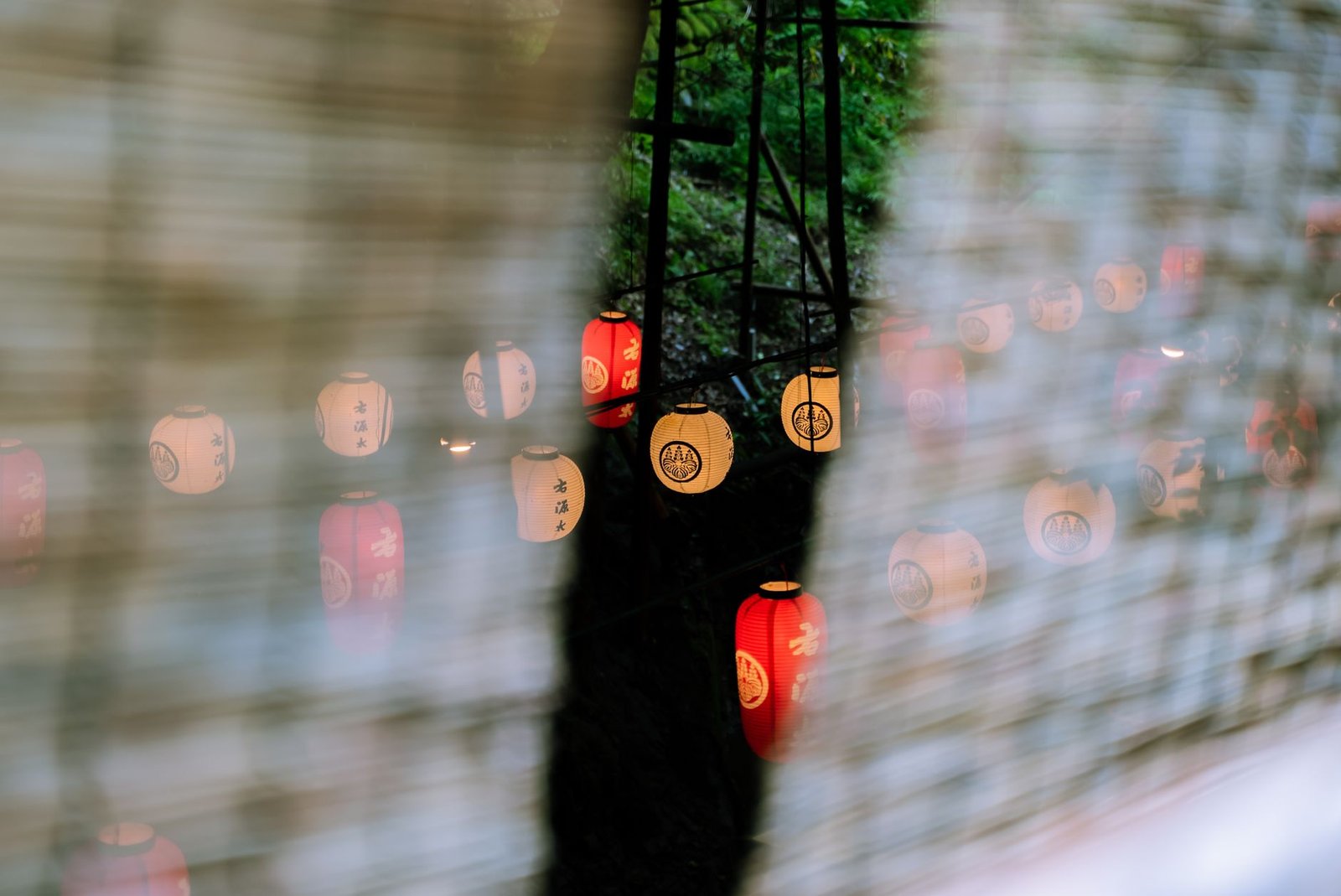
Early summer can be the best time to visit japan for travelers who want a balance between spring’s lingering atmosphere and the fuller energy of summer. The exact feel varies by region, but this period can work well for museums, food neighborhoods, slower city exploration and selected outdoor excursions.
When comparing the best time to visit japan weather, look beyond temperature alone. Humidity, rain and your planned activities all matter. A day of walking through a city feels different from a day spent on a mountain trail, so build in indoor alternatives rather than treating changing weather as a failed holiday.
This is a useful season for independent travelers who prefer a little breathing room in their schedule. You might spend the morning in a market, retreat to a museum during a shower and return outside for an evening meal. That rhythm feels more relaxed than trying to complete a strict list of viewpoints every day.
Early summer can also be a good time to explore regional Japan. Consider choosing one base outside the biggest cities and taking shorter excursions from there. Staying longer in one place reduces packing, gives you more opportunities to support local businesses and makes it easier to join a class or activity where you can meet residents and other travelers.
Summer: The Best Time to Visit Japan for Festivals and Adventure
Summer is the best time to visit japan for travelers who want festivals, energetic evenings, green landscapes and outdoor adventure. It can also be hot, humid or rainy depending on your route, so I’d plan around your tolerance for heat rather than assuming every summer day will be easy for sightseeing.
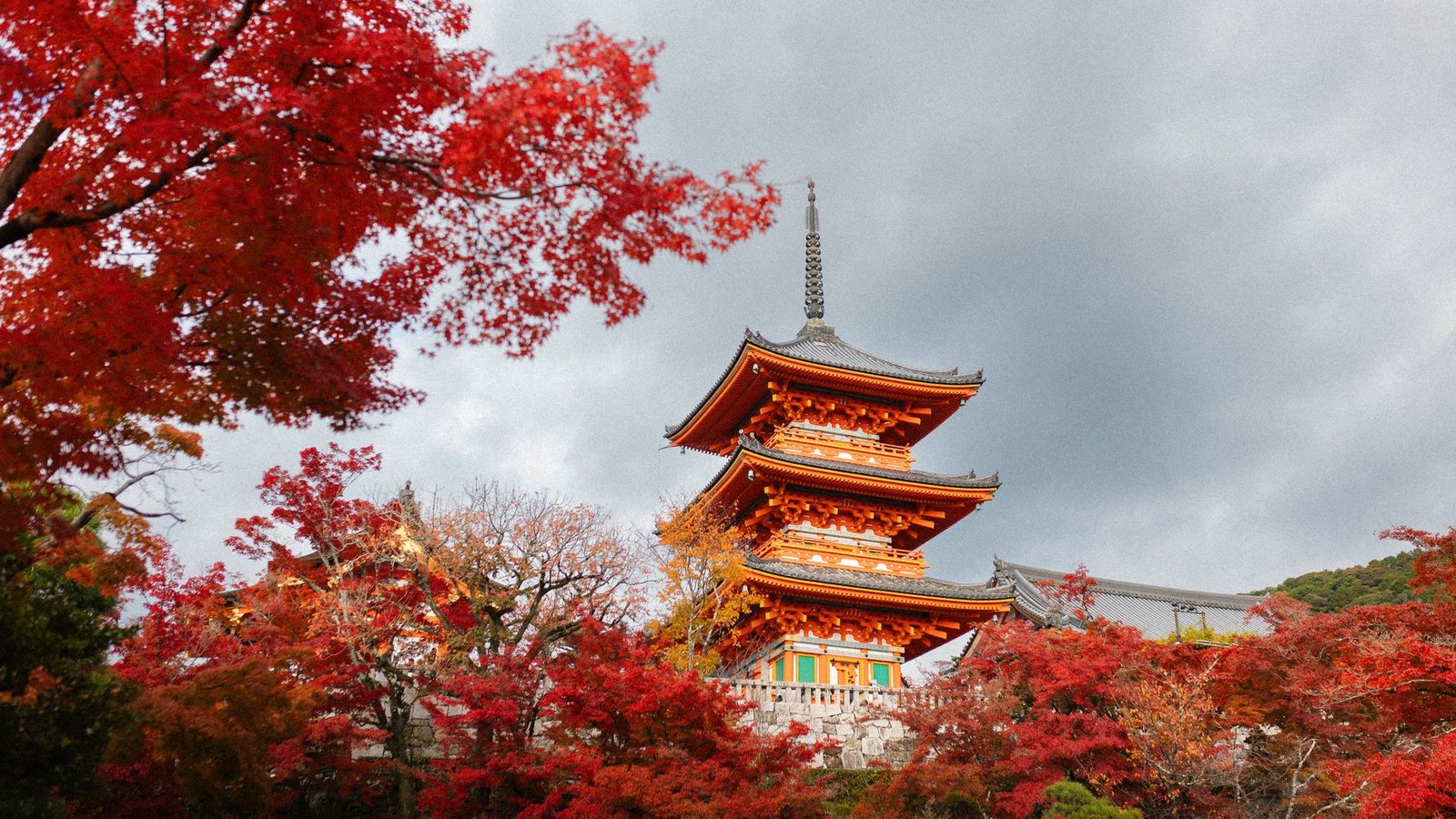
Festivals can bring music, food stalls, lanterns, processions and a strong sense of community. If you attend one, read the current visitor guidance, arrive with patience and remember that it is a local cultural event rather than a performance staged solely for tourists. Public transport can be especially busy around major celebrations, so allow extra time.
For hiking, choose routes that match your experience and check current trail information. Carry water, sun protection and a light rain layer, and tell someone your broad plan if you’re heading into a quieter area. A guided walk can be a social option for solo travelers and can also provide useful context about landscapes, customs and local history.
Summer is not automatically the best time to visit japan to avoid crowds, particularly around school holidays and major events. If you want a quieter experience, look at less famous neighborhoods, regional cities and early-morning starts. You’ll still encounter other visitors, but you may have more room to travel at your own pace.
Late Summer and Early Autumn: A Practical Shoulder Season
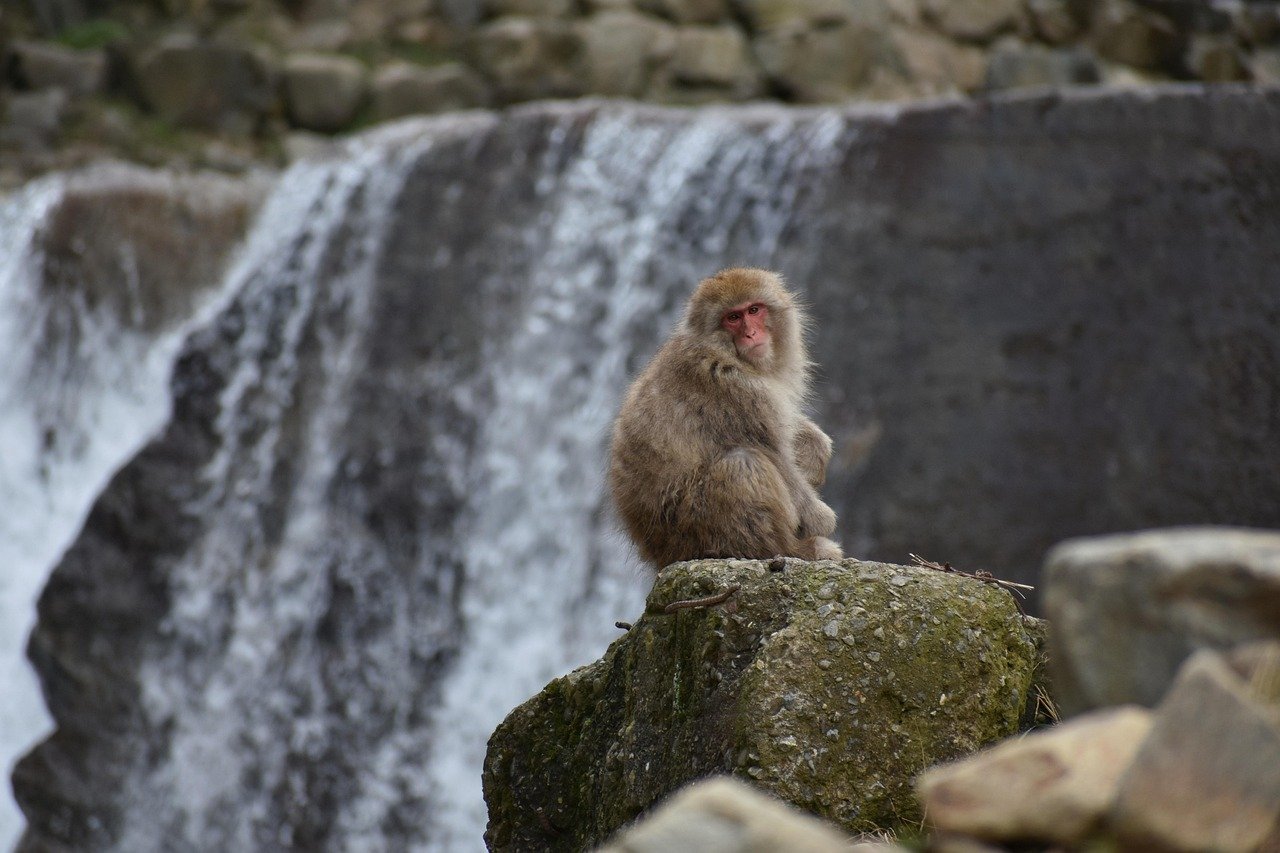
Late summer and early autumn can be the best time to visit japan for travelers who want a flexible itinerary and a chance to move between urban and rural experiences. It’s a season when checking current conditions matters, particularly if your plans include mountains, coastal areas or long-distance travel.
I like the idea of using this window for contrast: a few days of food and architecture in a large city followed by a smaller destination where the pace slows down. You could add a hot-spring town, a craft-focused community or a countryside stay, then return to a city for museums and nightlife.
Keep your plans adaptable. Weather can affect ferries, mountain paths and outdoor events, so don’t schedule a critical onward connection immediately after an activity that depends on good conditions. Download accommodation details and transport confirmations before leaving Wi-Fi, and keep a backup plan that still feels enjoyable.
This shoulder season may suit travelers who care more about authentic daily rhythms than checking off famous sights. A neighborhood bakery, local swimming spot, quiet temple or small gallery can become the highlight when you leave enough space for discoveries that weren’t in your original itinerary.
Autumn: The Best Time to Visit Japan in the Fall
The best time to visit japan in the fall is ideal for travelers who want comfortable walking conditions, seasonal color and a calmer mood after summer. Autumn foliage also changes by region and elevation, so the timing is not identical across the country.
For many visitors, this is the best time to visit japan weather because days can feel comfortable for exploring while evenings invite a warm meal or a soak in an onsen. Still, check the forecast for each stop and pack layers. A route that includes northern or mountainous areas may require different clothing from a city-focused itinerary.
Autumn is a wonderful season for slow travel. Walk through gardens, visit temples respectfully, take a train to a smaller town or choose a scenic route where the journey is part of the experience. If you’re traveling solo, cafés, food tours and small-group photography walks offer natural ways to meet people without sacrificing independence.
Foliage predictions can help with broad planning, but they shouldn’t become a source of stress. Trees don’t follow an exact online schedule, and weather can change the display. Pick destinations you’ll enjoy even if the leaves are early or late, then treat peak color as a bonus rather than the only reason to go.
If you’re comparing Japan with another destination for an autumn trip, our guide to places to visit in Morocco may help when you’re building a wider travel shortlist. For a multi-country itinerary, also consider how different climates and transport systems will affect your packing and recovery time.
Winter: Snow, Hot Springs and Quieter City Breaks
Winter is the best time to visit japan for travelers who enjoy snow scenery, winter sports, hot springs, seasonal food and bright city illuminations. It can be a particularly rewarding choice if you’re willing to plan around the type of winter experience you want rather than treating the whole country as one climate zone.
Snow-focused travelers should research the specific region, resort access and current conditions before booking. Pack appropriate layers and waterproof footwear, and don’t assume that a city-to-mountain transfer will be effortless during difficult weather. Build in flexibility if your plans depend on a particular train, bus or flight.
For a gentler winter trip, combine urban neighborhoods with museums, cafés, markets and traditional bathing experiences. Winter evenings can make cities feel atmospheric, and a warm meal after a day outside is one of the simplest pleasures of traveling during this season.
Winter can also help budget-conscious travelers find better value outside the busiest holiday and ski periods, although demand varies by destination. Compare several dates, read booking conditions carefully and avoid stating a price as fixed until you check it for your own travel dates.
How to Choose the Best Time to Visit Japan 2027
The best time to visit japan 2027 should be chosen by matching your priorities with current seasonal information, not by trusting a calendar created years in advance. Start with the experiences you care about most, then check regional weather patterns, event announcements, accommodation availability and transport plans as your dates become clearer.
If you’re searching for the best time to visit japan 2027 for blossoms or autumn color, leave some flexibility around your route. Forecasts and foliage estimates can change, and the most popular areas may become expensive or crowded during peak periods. A backup city with gardens, food and cultural sites can save a trip when conditions don’t line up perfectly.
Think about the shape of the whole journey. Flying into one airport and leaving from another may reduce backtracking, while a rail-focused route can be easier when you group destinations by region. Don’t add a faraway stop simply because it appears on a list. Travel time is part of the cost, even when the ticket price looks manageable.
For flight planning, check flexible Japan dates with Aviasales and compare the total itinerary rather than one fare. For travel insurance, medical support and trip disruption cover, review Japan travel insurance options with EKTA. Read the current terms carefully, especially if you plan winter sports, hiking or other activities.
Best Time to Visit Japan to Avoid Crowds
The best time to visit japan to avoid crowds is usually found by combining shoulder-season dates with less famous destinations and thoughtful daily timing. No season guarantees empty streets, but you can often reduce pressure by traveling outside major holidays, starting early and staying beyond the most photographed areas.
Spring blossom periods, major summer festivals, autumn foliage weekends and winter ski destinations can all attract heavy demand. If your dates overlap with a popular period, book essential accommodation early and accept that some famous sights will be busy. You can still create quieter moments by visiting residential neighborhoods, independent shops and smaller museums.
Traveling early doesn’t mean rushing. It gives you time to enjoy a garden or market before the day’s busiest period, then return to your accommodation for a break. Late afternoons can also work well for city walks, especially when day-trippers have left.
For solo travelers, crowds are not always negative. They can make it easier to join a food tour, strike up a conversation in a hostel common room or find a group activity. The key is choosing when you want social energy and when you need a quieter reset.
FAQ About the Best Time to Visit Japan
What is the best time to visit japan weather?
The best time to visit japan weather depends on your route, but spring and autumn are often appealing for travelers who want comfortable conditions for walking. Check regional forecasts for your exact dates because Japan covers several climate zones, and weather can vary between cities, mountains and islands.
When is the best time to visit japan for cherry blossoms?
The best time to visit japan for cherry blossoms changes by region and year. Plan around a flexible window rather than one guaranteed date, monitor current local forecasts and choose more than one possible viewing area. That way, your trip still works if flowering arrives earlier or later than expected.
What is the best time to visit japan in the fall?
The best time to visit japan in the fall depends on where you’re going and how high the destination is. Autumn color generally progresses across regions rather than appearing everywhere at once. Build a route around places you genuinely want to visit, then use current foliage information to adjust your order.
How far ahead should I plan the best time to visit japan 2027?
For the best time to visit japan 2027, begin with a broad season and route, then confirm event dates, accommodation and transport as official information becomes available. Popular periods deserve earlier planning, but avoid making non-refundable arrangements based only on a long-range seasonal prediction.
What is the best time to visit japan to avoid crowds?
The best time to visit japan to avoid crowds is usually a shoulder-season period outside major holidays, paired with early starts and less-touristed areas. You won’t eliminate visitors entirely, but you can make the trip feel more spacious by staying longer in one place and traveling beyond the headline attractions.
Before booking, compare your likely flight dates on Aviasales and review coverage for your planned activities through EKTA. These are useful starting points, but confirm current prices, inclusions, cancellation rules and destination requirements on the booking pages.
If Japan is part of a longer trip, you can also browse our practical guides to Chefchaouen, day trips from Marrakech, Sahara desert tours, Ouzoud Waterfalls, a seven-day Morocco itinerary, practical Morocco travel preparation and an eSIM guide for Morocco. They’re useful comparisons when you’re weighing several destinations, climates and travel styles.
For official destination inspiration and current planning information, visit the official Morocco tourism website if Morocco is also on your route. For Japan, confirm current destination information through the relevant official Japanese tourism and transport sources before departure.
When you’re ready to book, compare flights with Aviasales and consider EKTA travel insurance for medical expenses, cancellations and activities that need specific coverage. Check the latest terms, save your confirmations offline and keep your itinerary flexible enough to enjoy the season you chose.
Plan Your Best Time to Visit Japan Trip
The best time to visit japan is the season that supports the experience you actually want, whether that means cherry blossoms, autumn color, festivals, snow, food or quieter streets. Don’t let the famous calendar dictate your entire journey. Compare regions, consider shoulder seasons and leave room for a slower day when the best discovery is simply wandering.
My next step would be to choose one priority season, shortlist two possible routes and check current flight and accommodation availability before locking in dates. The best time to visit japan can be busy, surprising and wonderfully varied, but thoughtful planning gives you the freedom to explore with less stress once you arrive.
This post contains affiliate links. If you book through them, I may earn a small commission at no extra cost to you.