Where to Stay in Osaka: 7 Essential Areas for a Perfect Trip
Where to stay in Osaka can shape the entire rhythm of your trip, from late-night plates of street food to peaceful mornings near a shrine or shopping street. Osaka is energetic, welcoming, and spread across neighborhoods with very different personalities, so the best base depends on how you want your days to feel.
I’d choose an area according to your priorities rather than searching for one universally perfect district. Do you want nightlife outside your door, a practical base near a major station, a quieter family-friendly neighborhood, or a local atmosphere with independent cafés? This guide to where to stay in Osaka compares seven useful areas so you can make that choice with confidence.
Table of Contents
Where to Stay in Osaka First Time
Where to stay in Osaka first time usually comes down to Namba, Umeda, Tennoji, or Osaka Castle, because these areas combine sightseeing, food, accommodation, and useful transport connections.
Namba is the obvious choice for travelers who want Osaka’s famous food and nightlife close at hand. Umeda feels more polished and practical, especially if you expect to make day trips or arrive with luggage. Tennoji offers a varied mix of attractions, restaurants, and accommodation, while Osaka Castle suits visitors who prefer a calmer base with history and open space nearby.
Before booking, check the exact station entrance, the walking route with luggage, the room layout, and the property’s check-in arrangements. “Near the station” can mean very different things in a large urban district, and a hotel that looks close on a map may be inconvenient after a long flight. I’d also read recent guest comments about noise, storage, bathroom arrangements, and beds rather than judging a room by photographs alone.
If you’re arriving after a long international flight, you can compare Osaka airport transfer options with Kiwitaxi. Check the pickup instructions, luggage conditions, destination details, and cancellation terms before booking.
Where to Stay in Osaka Japan: 7 Areas to Compare
Where to stay in Osaka Japan is easiest to decide when you compare each neighborhood by atmosphere, accommodation style, and the kind of traveler it suits.
1. Namba: Best for Food, Nightlife, and First-Time Energy
Namba is the strongest all-round choice for travelers who want Osaka’s famous food culture, shopping, nightlife, and bright city atmosphere immediately outside their accommodation. It is lively, convenient, and unapologetically urban.
This is the area I’d shortlist first for solo travelers and young visitors who want easy evenings. You can browse busy shopping streets, look for casual restaurants, and settle into a small bar or food counter without planning an elaborate route across the city. The constant activity also means solo travel rarely feels too isolated.
Namba is not equally noisy everywhere. A hotel beside the busiest entertainment streets will feel different from one on a quieter side road, so inspect the map carefully. If you sleep lightly, ask whether rooms face the street and read comments about nighttime noise.
Accommodation ranges from hostels and compact business hotels to larger properties and apartment-style rooms. Compare the actual room size, luggage storage, and bathroom setup. A lower rate can be useful for a budget trip, but only if the facilities match the way you travel.
2. Umeda: Best for Transport and a Polished City Base
Umeda is a smart answer to where to stay in Osaka near train station if you value a major urban hub, shopping, restaurants, and a convenient base for exploring beyond central Osaka.
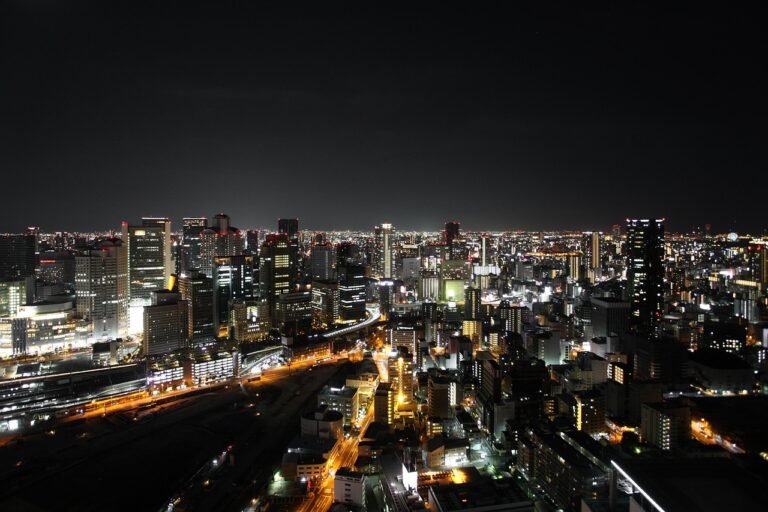
The district feels modern and busy, with department stores, offices, underground passages, hotels, and dining options. It suits travelers who prefer a polished environment and want plenty of choices when the weather is poor or energy is low. It can also be practical for a short stay when you want to keep your arrival and departure days simple.
The trade-off is atmosphere. Umeda can feel more commercial and less intimate than Namba or Shinsekai, particularly if your ideal evening involves tiny local bars and old-fashioned streets. Still, it is hard to beat for flexibility.
When booking here, verify the station name and the hotel’s most useful exit. Large station areas can be confusing with luggage, and a property described as being in Umeda may sit farther from your preferred transport route than expected. Save the hotel address offline before leaving the airport.
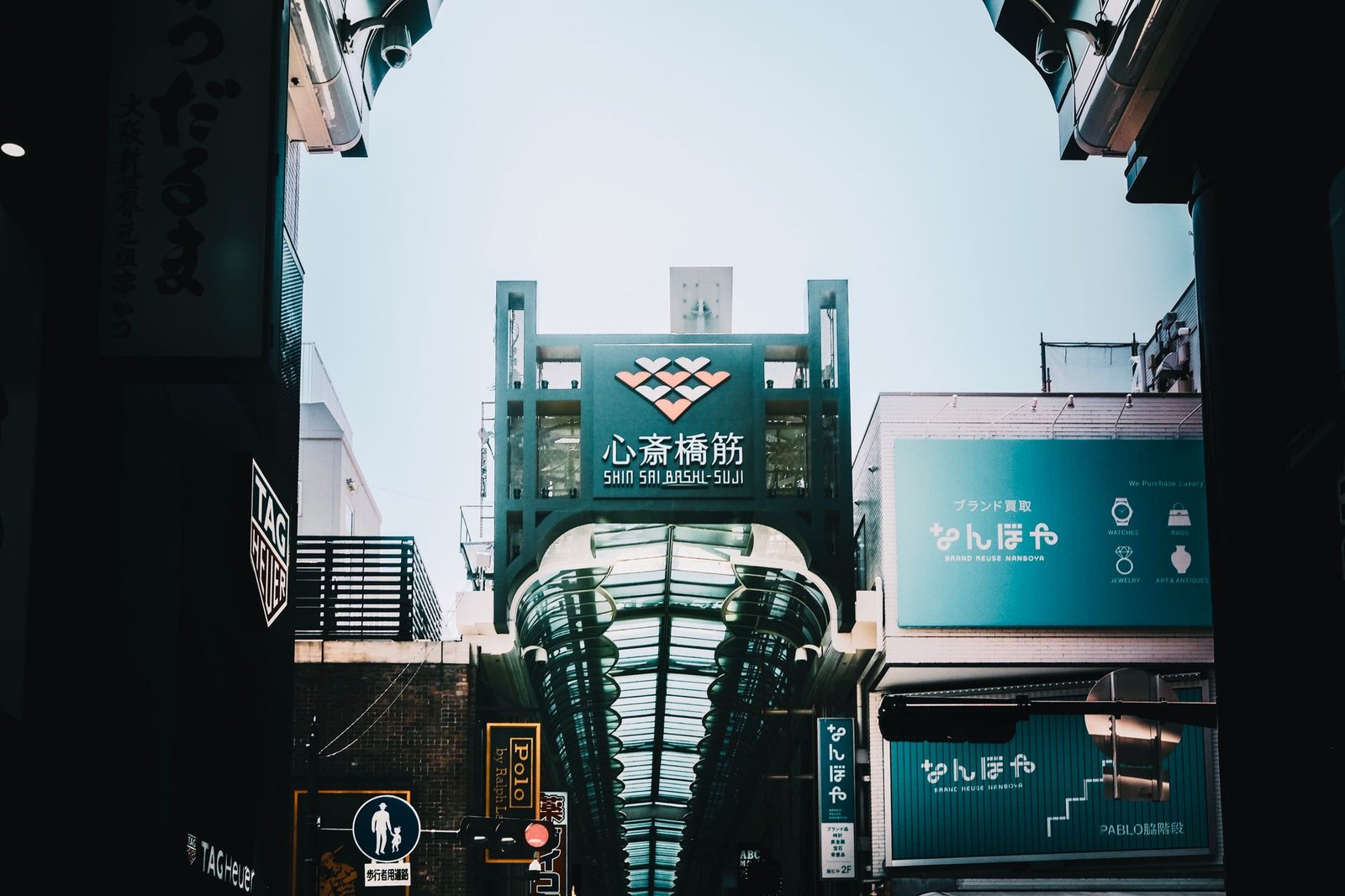
3. Shinsaibashi: Best for Shopping and Central Convenience
Shinsaibashi suits travelers who want shopping, cafés, restaurants, and a central base between the energy of Namba and the modern feel of the wider city. It is a good middle ground if you want plenty to do without staying directly beside the liveliest nightlife streets.
Fashion, department stores, independent boutiques, and covered shopping streets give the area a strong daytime rhythm. In the evening, you’ll still have abundant food choices, but you can choose a quieter side street when you want a break from crowds.
Shinsaibashi works well for couples, friends, solo travelers, and visitors who enjoy building days around food and browsing. Families can also consider it if the accommodation offers enough space and the group appreciates being close to restaurants and shopping.
Look beyond the neighborhood label when comparing rooms. Some properties focus on short stays and compact layouts, while others offer larger rooms suitable for luggage or families. Read the bedding details carefully, especially if you’re booking for more than two people.
4. Tennoji: Best for Families and a Varied Itinerary
Tennoji is a useful choice for travelers who want a varied neighborhood with shopping, green space, cultural attractions, and accommodation at several levels. It can be particularly appealing when you want busy-city convenience without making nightlife the center of every evening.
Families researching where to stay in Osaka with family should compare Tennoji with Umeda and Namba. Tennoji can make it easier to vary the pace: plan an attraction, stop for a meal, take a break, and continue only if everyone still has energy. That flexibility matters more than choosing the most fashionable district.
Solo travelers can also enjoy Tennoji’s mix of everyday restaurants and urban sightseeing. It feels less like a single-purpose entertainment zone, which makes it a good base for longer stays or repeat trips.
For families, check the room configuration rather than assuming a hotel can comfortably accommodate everyone. Ask about children’s policies, extra beds, elevator access, luggage storage, and whether the bathroom arrangement suits your group. A nearby convenience store and simple breakfast option can be more useful than a dramatic city view.
5. Osaka Castle Area: Best for History and a Quieter Rhythm
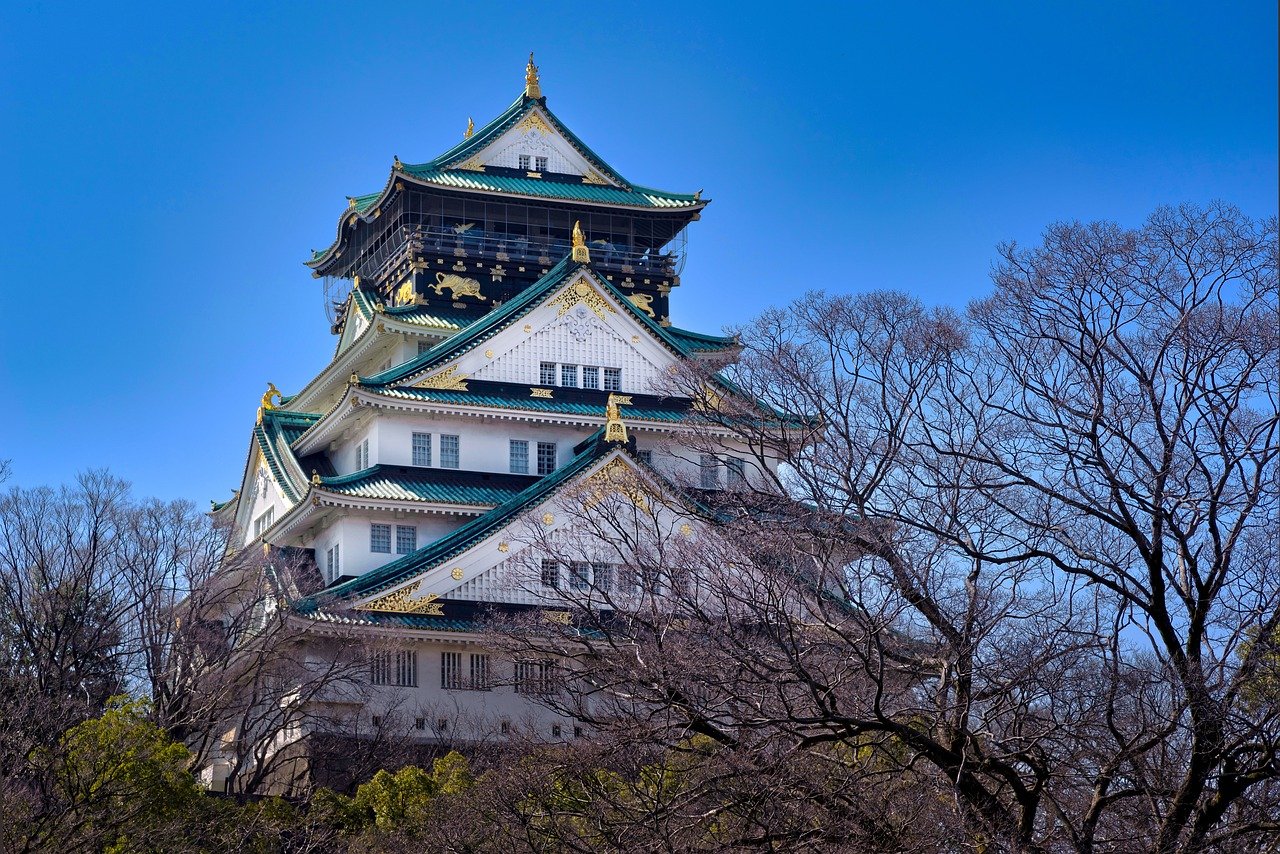
The Osaka Castle area is a good match for travelers who want a more spacious, history-focused setting and don’t need nightlife right outside the hotel. The surroundings can give your trip a welcome change of pace after busy shopping and food districts.
Choose this area if you enjoy beginning the day with a walk, visiting cultural sites, and returning to a calmer neighborhood in the evening. It may suit couples, families, and travelers who prefer to sleep away from the busiest entertainment streets.
The main compromise is that your favorite restaurants or nightlife areas may not be immediately downstairs. That isn’t a problem if you enjoy planning an evening around one destination, but it may feel inconvenient if spontaneous food exploration is your priority.
Accommodation here can be a strong fit for travelers who value room comfort and a less intense atmosphere. Check the exact surroundings after dark, the nearest useful station, and the food options you can reach easily. A peaceful base is wonderful, but only when it still supports your daily plans.
6. Shinsekai: Best for Retro Atmosphere and Budget Potential
Shinsekai is worth considering if you want an old-school Osaka atmosphere, casual food, colorful streets, and a neighborhood that feels distinct from the polished shopping districts. It can appeal to independent travelers who like character more than refinement.
The area has a strong visual identity and plenty of informal places to eat. It can be a rewarding base for travelers who want to observe everyday city life and explore at a slower pace rather than spend every evening in a major commercial center.
Budget-conscious travelers may find accommodation styles here that suit a smaller budget, including hostels and simple hotels. Compare recent reviews carefully, though. Check the room facilities, noise, shared spaces, reception hours, and luggage arrangements before booking.
Shinsekai may not suit everyone. If you want a sleek hotel, extensive shopping, or a quiet luxury atmosphere, Umeda or a higher-end part of Namba may be a better fit. Choose it because you like its character, not because a map makes it look central.
7. Osaka Bay: Best for Theme Parks and Spacious Days
Osaka Bay suits travelers whose itinerary focuses on waterfront attractions, large entertainment venues, or a theme-park visit. It can also work for families who prefer a modern, spacious hotel environment and don’t mind being farther from the traditional food districts.
The benefit is focus. If one major attraction is the reason for your Osaka trip, staying nearby can reduce the stress of an early start and make it easier to return for a rest. Families often appreciate that kind of flexibility, especially when children’s energy changes throughout the day.
The drawback is neighborhood variety. Osaka Bay is less suitable if your favorite travel moments involve wandering from a hotel into tiny restaurants, old shopping streets, and late-night local bars. You may spend more time traveling toward central Osaka for food and nightlife.
Before choosing this base, map out your complete itinerary rather than booking around one photograph. Confirm the hotel’s transport options, room layout, dining choices, and luggage policy. The right answer depends on whether your trip is attraction-focused or neighborhood-focused.
Where to Stay in Osaka With Family
Where to stay in Osaka with family is best decided by room layout, food access, daily energy, and transport simplicity rather than by the most famous neighborhood.
Tennoji, Umeda, Namba, and Osaka Bay are useful areas to compare. Tennoji offers a varied itinerary, Umeda provides a practical urban base, Namba puts food and entertainment close at hand, and Osaka Bay can simplify a theme-park-focused trip.
I’d prioritize a room with enough space for luggage, beds that match your family, a workable bathroom, and a nearby place to buy breakfast or snacks. Check whether children are accepted, whether the property offers connecting rooms or extra beds, and whether the route from the station is manageable with a stroller.
Build recovery time into your schedule. Osaka is exciting, but crowded streets, long walks, and unfamiliar meals can tire children quickly. A hotel near food and a useful station is often more valuable than a room with a better view.
Where to Stay in Osaka Near Train Station
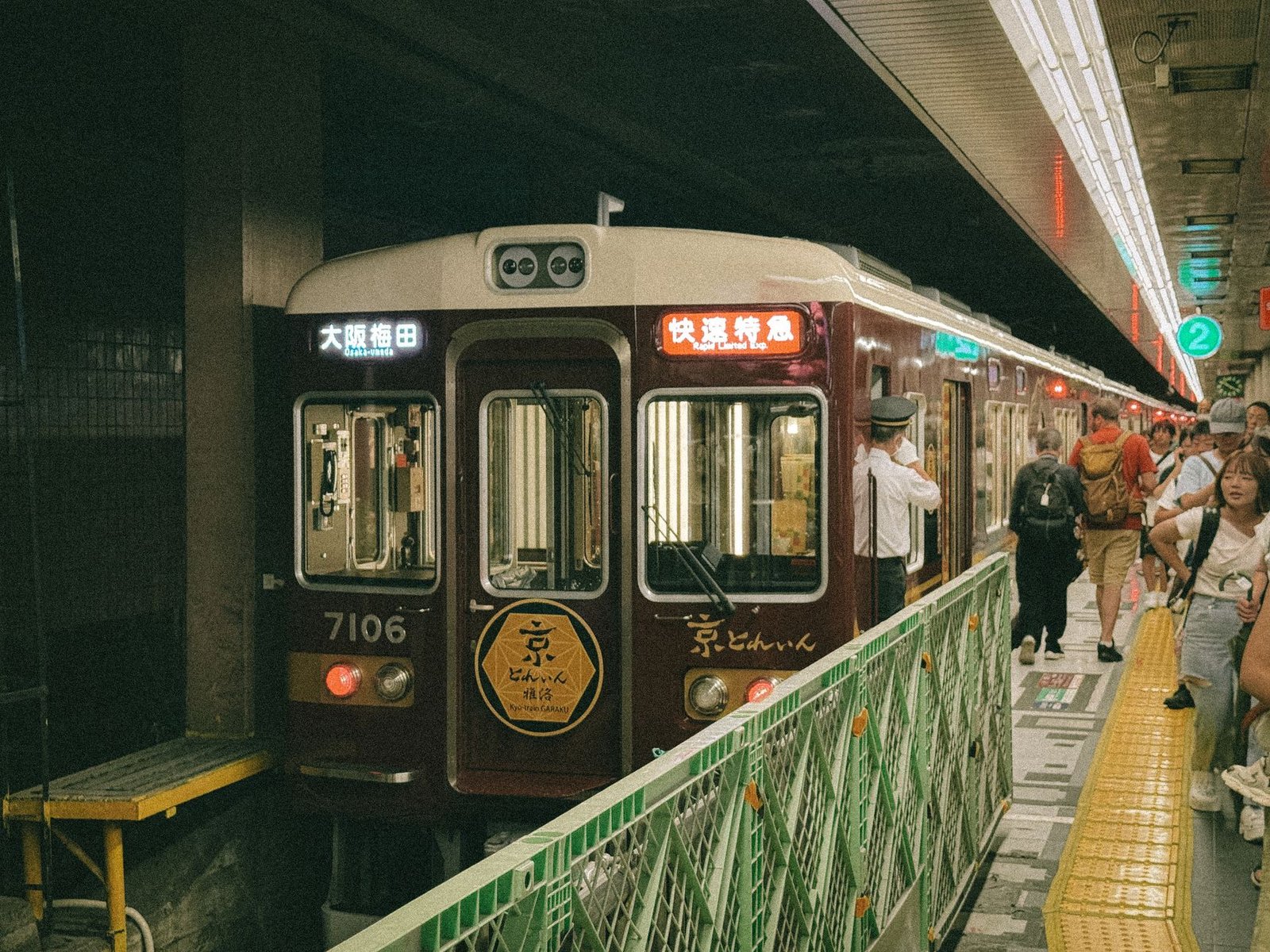
Where to stay in Osaka near train station should mean more than choosing a hotel with “station” in its description; you should identify the exact route, entrance, and walking conditions that matter to your trip.
Umeda is a strong option for travelers who want a major transport hub, while Namba works well if you want food, shopping, and nightlife nearby. Tennoji can balance transport with a varied neighborhood, and Shinsaibashi is useful for central shopping and restaurants.
Look at the hotel on a map and check the route with luggage in mind. Large stations can involve underground passages, stairs, multiple exits, and busy crossings. Save a screenshot of the route and the Japanese address before departure. If you’re arranging an airport arrival, book or compare an Osaka transfer with Kiwitaxi only after checking the pickup point and destination details.
Connectivity also matters when navigating a new station. You can compare Japan eSIM plans on Airalo, checking phone compatibility, data allowance, activation instructions, and validity conditions before choosing a plan.
How to Choose Where to Stay in Osaka on a Budget
Choosing where to stay in Osaka on a budget means comparing the full travel cost, not just the advertised room rate.
Hostels can be a good fit for solo travelers who want social spaces and don’t need a private room. Business hotels often provide compact private rooms, while apartment-style accommodation may suit longer stays or travelers who value laundry and cooking facilities. Always read the current rules about check-in, cleaning, luggage storage, and shared bathrooms.
Compare station access, room size, breakfast, taxes or additional charges shown during booking, and the cost of reaching the hotel from the airport. A slightly cheaper room far from your preferred activities may create extra transport costs and eat into your sightseeing time.
Neighborhood choice can also shape your spending. Namba and Shinsekai make casual meals easy to find, while Umeda and Shinsaibashi offer tempting shopping and restaurant options at many price levels. Set a daily food budget, then leave room for one meal you genuinely want to try.
If Osaka is part of a wider Japan itinerary, our guide to where to stay in Tokyo offers the same neighborhood-first approach for another huge city. You can also use our things to do in Tokyo guide when comparing how many nights to give each destination.
FAQ
Where to stay in Osaka first time if I want food and nightlife?
For where to stay in Osaka first time, start with Namba or Shinsaibashi if food, shopping, and evening energy are your priorities. Choose Umeda if you prefer a polished transport hub and a broad choice of hotels. Check the exact street before booking because noise levels can vary greatly.
Where to stay in Osaka Reddit recommendations: Should I follow them?
Where to stay in Osaka Reddit discussions can reveal useful personal preferences, but posts may be dated or written for a very different travel style. Check the post date, compare the writer’s priorities with yours, and verify the hotel’s current information independently.
Where to stay in Osaka Japan for a local atmosphere?
For where to stay in Osaka Japan with more neighborhood character, compare Shinsekai, Tennoji, and selected quieter streets near Namba. “Local” does not mean empty or undiscovered; these are active communities, so explore respectfully and avoid treating residential streets as photo sets.
Where to stay in Osaka with family and young children?
Where to stay in Osaka with family often comes down to Tennoji, Umeda, Namba, or Osaka Bay. Tennoji and Umeda offer flexible city days, Namba suits families who want food nearby, and Osaka Bay can be practical for an attraction-focused itinerary. Confirm bed arrangements and children’s policies before paying.
For a longer Japan plan, you may also find our Japan visa planning guide useful for organizing travel documents, while our guide to the best time to visit China can help if Osaka is part of a wider East Asia itinerary. Keep each destination’s current entry and seasonal information separate.
What to Book Before Your Osaka Trip
Before finalizing where to stay in Osaka, I’d arrange the practical parts that can make arrival easier: your accommodation, airport plan, and mobile data.
For airport arrival, review Osaka airport transfer options with Kiwitaxi and compare pickup instructions, luggage conditions, vehicle details, and cancellation terms. For connectivity, check Japan eSIM options through Airalo before departure and confirm that your phone supports the service.
These tools won’t replace choosing the right neighborhood, but they can make your first hours less stressful. Save the hotel’s full address, your booking details, and any meeting instructions offline so you can access them without relying on a perfect connection.
What to Do Next
Where to stay in Osaka becomes much easier once you choose the kind of trip you want: Namba for food and nightlife, Umeda for transport and polish, Shinsaibashi for shopping, Tennoji for flexibility, Osaka Castle for history, Shinsekai for retro character, or Osaka Bay for attraction-focused days.
My next step would be to shortlist two neighborhoods, mark your likely daily routes, and compare the exact hotels rather than only the area names. Check the room layout, station route, noise notes, and cancellation conditions. Then book the base that makes your favorite kind of Osaka day feel effortless.
This post contains affiliate links. If you book through them, I may earn a small commission at no extra cost to you.