
Best Time to Visit China: 12 Insider Tips for Perfect Weather
Best time to visit China planning starts with one important realization: China is so vast that the ideal season for Beijing may not be the same as the ideal season for Shanghai, Yunnan, Tibet, or the Silk Road. Rather than searching for one perfect month, I’d match the season to the regions and experiences that matter most to you.
This guide will help you think through weather, crowds, landscapes, city breaks, the Great Wall, and a possible China-and-Japan itinerary. I’ll also share practical ways to build a flexible trip, because independent travel becomes much easier when you leave space for changing conditions instead of trying to control every day.
Table of Contents
Best Time to Visit China Weather: Start With Your Route
The best time to visit China weather-wise depends first on your route, since the country includes very different climates and landscapes. A trip focused on Beijing, Xi’an, and Shanghai needs a different approach from a journey through the southwest, far west, or high-altitude regions.
For a first trip, spring and autumn are often attractive planning windows because many travelers prefer moderate conditions for walking, sightseeing, and combining several cities. That broad advice is only a starting point, though. Spring can bring rain or changing temperatures, while autumn conditions vary between northern cities, coastal areas, and inland destinations.
Summer can be rewarding if your dates are fixed, but heat, humidity, rain, and visitor demand may affect how much you enjoy long days outside. Winter can bring cold conditions in the north while offering a very different experience in the south. I’d choose clothing and daily activities around the specific places on your itinerary rather than packing for an imaginary national average.
Make a simple list before booking:
- Regions: Write down every major stop, including any mountain or high-altitude destination.
- Priorities: Decide whether your trip is mainly about history, food, scenery, hiking, festivals, or city life.
- Flexibility: Mark which activities can move to another day if rain, heat, or visibility changes.
- Energy: Leave recovery time after long journeys instead of treating every arrival day as a sightseeing day.
This approach is more useful than choosing a month from a generic chart. Weather is part of the decision, but so are daylight, transport connections, accommodation demand, and the kind of atmosphere you want.
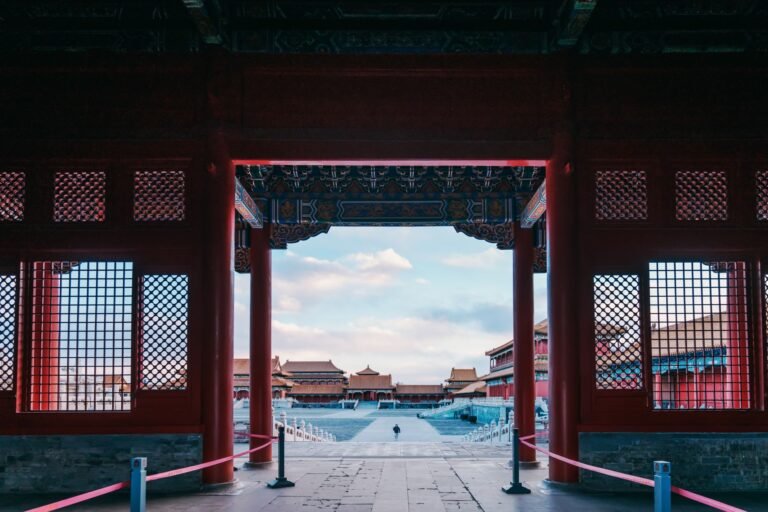
Best Time to Visit China Beijing: History, Parks, and Comfortable Walking
The best time to visit China Beijing is generally the season that gives you comfortable conditions for long outdoor sightseeing days and enough flexibility to move major attractions around. Beijing is a city where you may spend one day in historic buildings and courtyards, then another walking through parks or exploring the Great Wall.
Spring can bring pleasant sightseeing conditions, although temperatures and rain can shift quickly. Pack layers and keep a weather-sensitive attraction flexible. Autumn is often appealing for travelers who want crisp walking weather and clear structure in their itinerary, but the most popular dates can also bring stronger demand.
Summer requires more deliberate pacing. Begin outdoor sightseeing earlier when practical, carry water, and avoid arranging several exposed attractions back to back. A museum, tea house, or slower neighborhood meal can give you a useful break during the warmest part of the day.
Winter offers a quieter-feeling alternative for travelers prepared for cold conditions. Heavy clothing, gloves, and a plan for shorter outdoor sessions may be worthwhile. The reward is a different view of Beijing, with more emphasis on indoor culture, food, and atmosphere between visits to major landmarks.
Whatever season you choose, avoid placing every important sight on one day. Historic areas can take longer than expected, and navigating a large city is tiring even when the map looks manageable. I’d choose one main landmark, one nearby experience, and one flexible meal or neighborhood stop rather than racing between opposite sides of the city.
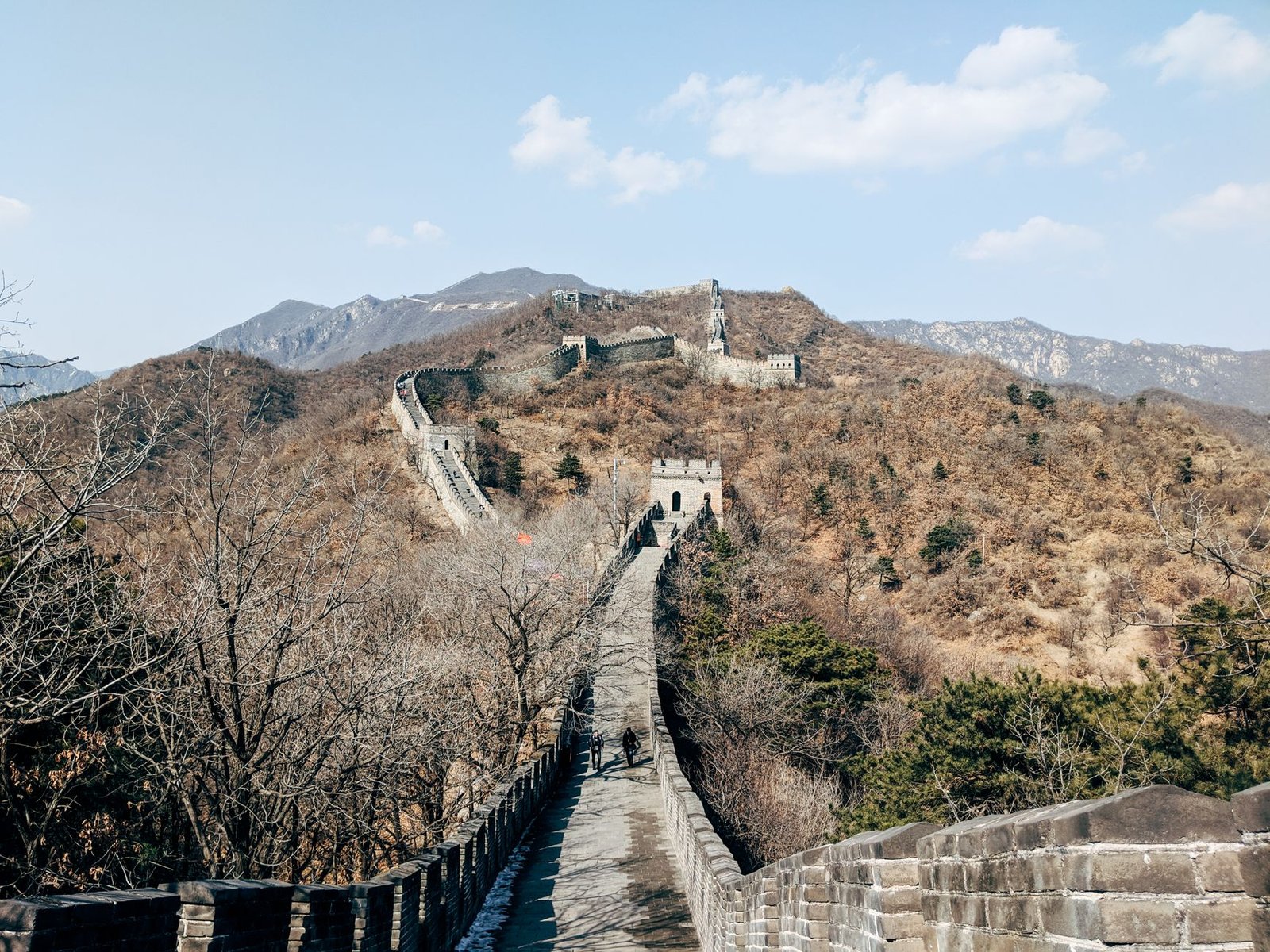
Best Time to Visit China Great Wall: Plan Around Conditions
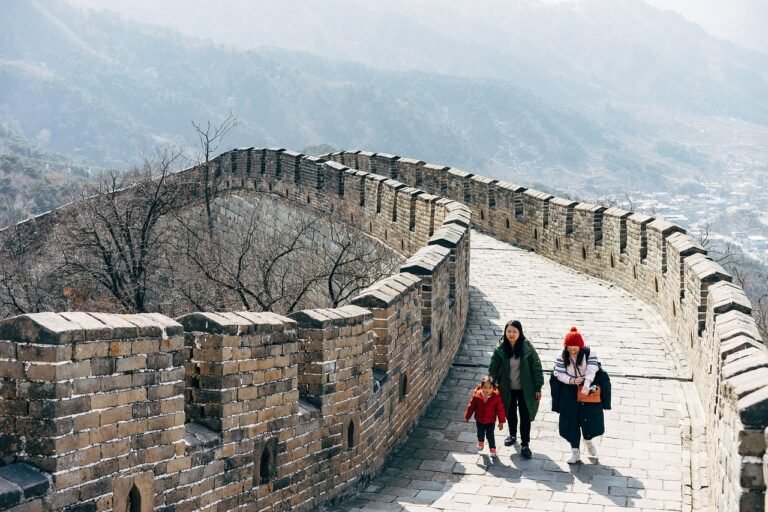
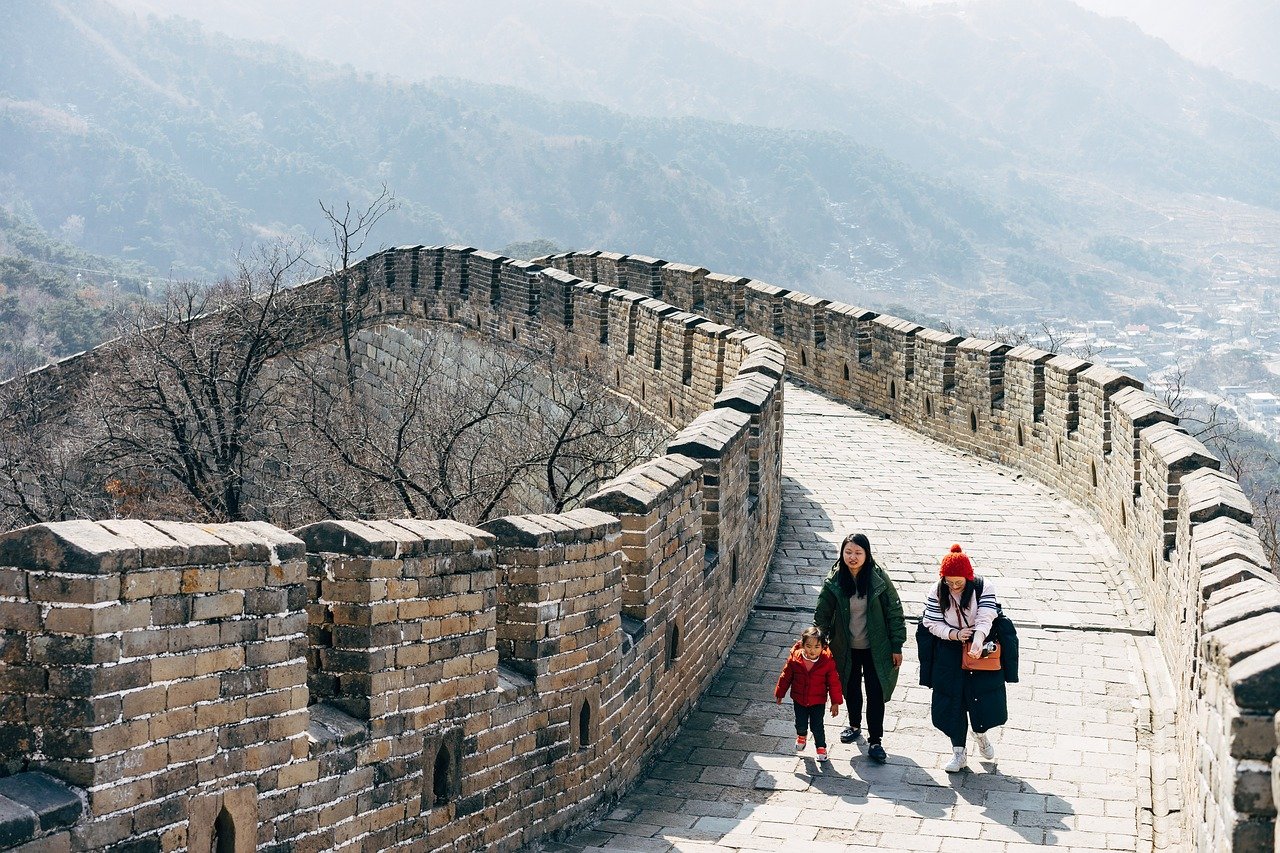
The best time to visit China Great Wall sections is the period that combines suitable outdoor conditions with a route and access plan you can realistically manage. The Great Wall is not one single attraction, so decide which section fits your interests, transport plan, mobility, and tolerance for crowds.
Spring and autumn can be useful seasons for a walking-focused visit, but check the latest local forecast and access information before leaving Beijing. Wind, rain, heat, cold, and reduced visibility can all change how enjoyable a wall excursion feels. Comfortable footwear matters more than trying to dress like a perfect travel photograph.
Summer may offer long daylight hours, but exposed stone paths can feel demanding in heat. Bring water, sun protection, and a plan that includes pauses. Winter can create stark scenery and a quieter atmosphere, yet icy or windy conditions may make steep sections less comfortable. Choose the route according to current conditions and your experience, not just a photograph you saw online.
When comparing tours, read the itinerary carefully. Check the exact wall section, meeting point, transport arrangement, walking expectations, group size, inclusions, and cancellation conditions. A headline promising the Great Wall may describe a short viewing stop rather than the kind of walk you imagined.
You can compare Great Wall tours and Beijing activities on Klook while building your plan. I’d treat reviews as useful context, then verify the details that matter most for your date and fitness level.

Best Time to Visit China Shanghai: City Life in Every Season
The best time to visit China Shanghai depends on whether you want long urban walks, food and culture, gardens, architecture, or a comfortable base for exploring nearby destinations. Shanghai can support different travel styles, but seasonal conditions will shape how much time you want to spend outside.
Spring and autumn can work well for travelers who want to combine neighborhoods, waterfront views, historic streets, galleries, and long meals. Keep a light layer and rain protection close, and avoid building the entire day around one outdoor viewpoint.
Summer can feel hot and humid, with rain influencing plans. I’d alternate outdoor exploration with indoor stops, use cafés and museums as natural pauses, and avoid scheduling the most demanding walking route at the warmest point of the day. A flexible itinerary also makes it easier to follow a restaurant recommendation or spend longer in a neighborhood that catches your attention.
Winter can suit travelers who prefer a calmer city rhythm and are comfortable with cooler conditions. Some days may be ideal for galleries, markets, food, and architecture, while others may call for a shorter outdoor route. Pack layers and choose accommodation with convenient transport so you don’t lose energy before the day begins.
Shanghai is a good place to include a social experience if you’re traveling alone. A food walk, cooking class, language exchange, or small-group neighborhood tour can make conversation feel natural. Then keep another part of the day for independent wandering. Connection and solitude don’t have to compete.
Best Time to Visit China and Japan in One Journey
The best time to visit China and Japan together is the overlap between the regions and experiences you care about most, not necessarily the season promoted as ideal for either country in isolation. A combined trip can be rewarding, but it also adds flights, border formalities, luggage decisions, and more chances for a tightly packed itinerary to unravel.
Start with the destination that has the most specific seasonal priority. If you have a particular landscape, festival, hike, or wildlife experience in mind, research that first and fit the rest of the route around it. If your plans are mainly city-based, prioritize comfortable walking conditions and realistic transport connections.
Give yourself enough time between major bases. Changing countries can involve airport transfers, luggage checks, different transport systems, and a full day of reduced energy even when the journey goes smoothly. I’d rather remove one city than turn the trip into a sequence of stations and check-in desks.
For wider seasonal planning, you can compare our guide to the best time to visit South Africa and use the same principle: identify the main experience, then match the route to regional conditions. If Japan is part of your plan, keep checking current destination-specific information rather than assuming the same weather pattern applies across both countries.
Flight planning deserves its own margin. You can compare China and Japan flight options on Aviasales, then check the departure airport, baggage conditions, connection time, fare rules, and change policy before booking. The cheapest fare is not always the best value if it creates a difficult connection or inconvenient arrival.
How Each Season Can Shape Your China Trip
Each season can suit the best time to visit China for a different type of traveler, so I’d choose based on your priorities rather than looking for a universal winner.
Spring: Flexible City and Landscape Planning
Spring can be appealing for travelers who want to combine city sightseeing with gardens, landscapes, and outdoor walks. Conditions may change from one region to another, so pack layers and leave room to move outdoor activities around. If blossoms or a particular seasonal display is central to your plans, verify local timing close to the trip instead of relying on a fixed annual assumption.
Summer: Longer Days and More Careful Pacing
Summer can work well for travelers with fixed school or work holidays, but heat, humidity, rain, and visitor demand may require a slower itinerary. Plan shaded breaks, drink water, and avoid assuming you can complete a full day of exposed walking without rest. Mountain areas can have their own conditions, so research them separately.
Autumn: Strong All-Round Potential
Autumn is often considered by travelers who want comfortable walking conditions and a broad sightseeing route. It can be a practical choice for combining Beijing, Xi’an, Shanghai, and other major stops, although regional weather and demand still vary. Book the limited-capacity parts of the trip first, then keep ordinary neighborhood days open.
Winter: A Different and Often Quieter Rhythm
Winter can suit budget-conscious travelers who don’t mind cold conditions in northern destinations and want more time for food, museums, markets, and indoor culture. Southern China may feel very different from the north, so never pack from one city’s forecast for the whole journey. A warm layer and flexible daily plan can make a major difference.
12 Practical Tips for Choosing the Best Time to Visit China
These twelve tips can help turn seasonal research into a trip that feels manageable and personal.
- Choose your priority region first. Decide whether Beijing, Shanghai, the southwest, the coast, or a mountain destination anchors the trip.
- Separate north from south. Do not assume one city’s conditions describe the whole country.
- Match activities to energy. Put long walks and outdoor excursions on days when conditions are most promising.
- Keep weather-sensitive plans movable. Avoid making a single viewpoint or wall visit the only important experience of your trip.
- Pack layers. Layers are more useful than a rigid seasonal wardrobe when your route covers several regions.
- Allow recovery time. A long rail or flight day can be tiring even when the journey is comfortable.
- Check the exact Great Wall section. Different sections can involve different walking expectations and transport plans.
- Plan Shanghai around breaks. Alternate outdoor neighborhoods with food, museums, cafés, or other indoor stops.
- Compare the whole budget. Include transport, accommodation, tours, meals, insurance, and a contingency amount.
- Leave space for local advice. A host, guide, or fellow traveler may point you toward an experience that is not in your original plan.
- Save confirmations offline. Keep accommodation addresses, meeting points, booking references, and transport details accessible without data.
- Recheck conditions close to departure. Seasonal averages help with planning, but the current forecast should shape your final decisions.
Independent travel doesn’t have to mean doing everything alone. A small-group tour can add context and conversation, while a solo neighborhood walk gives you room to follow your own curiosity. For broader destination ideas, our guide to things to do in Cape Town South Africa shows how to balance major sights with flexible local experiences.
If your wider journey includes Africa and you’re organizing documents for several destinations, our Kenya visa guide offers a useful reminder to keep nationality-specific requirements and travel confirmations separate. China’s entry requirements are a different matter, so verify the current official information for your passport before departure.
FAQ
What is the best time to visit China weather-wise?
The best time to visit China weather-wise depends on your route. Spring and autumn may suit travelers who want moderate conditions for broad sightseeing, while summer and winter can also work when your itinerary is adapted to heat, rain, cold, or regional differences. Check each destination separately.
What is the best time to visit China Great Wall sections?
The best time to visit China Great Wall sections is the period with conditions that match your walking plans, comfort level, and chosen section. Spring and autumn can be useful planning windows, but confirm current weather, access, transport, and trail conditions before setting out.
What is the best time to visit China and Japan together?
The best time to visit China and Japan together depends on the specific cities, landscapes, and seasonal experiences on your route. Start with the destination that has the most important fixed-season activity, then build a realistic connection plan around it.
What is the best time to visit China Shanghai?
The best time to visit China Shanghai is the season that matches your preferred balance of outdoor walking, food, culture, and flexible city exploration. Spring and autumn may appeal to travelers who want long walking days, while summer and winter can work with more deliberate pacing and indoor alternatives.
What is the best time to visit China Beijing?
The best time to visit China Beijing depends on how much time you want to spend walking between historic sights, parks, neighborhoods, and the Great Wall. Choose clothing and activities around the conditions expected during your dates, and keep at least one weather-flexible day.
Before you finalize your plans, browse China tours and activities on Klook for experiences that fit your route, and review China flight options on Aviasales. Compare current meeting points, baggage rules, inclusions, cancellation conditions, and connection details yourself.
When you’re ready to book, Klook can help you compare activities and tours, while Aviasales is useful for checking flight possibilities across a multi-city itinerary. Use both as planning tools, read the current terms carefully, and choose options that leave your trip room to breathe.
What to Do Next
The best time to visit China becomes much easier to choose once you name your priority region, decide how much outdoor time you want, and accept that flexibility is more valuable than a supposedly perfect month. Beijing, Shanghai, the Great Wall, and a China-and-Japan route can all work in different seasons when the itinerary matches the conditions.
My next step would be to choose three non-negotiable experiences, list the regions they belong to, and compare the likely weather for those places. Then reserve only the activities and transport that truly need advance planning, leave a little space for local recommendations, and save every important detail offline. That’s the approach I’d use to make the best time to visit China feel like the beginning of an adventure rather than another research problem.
This post contains affiliate links. If you book through them, I may earn a small commission at no extra cost to you.