

Best Time to Visit Peru: 7 Essential Tips for an Amazing Trip
Best Time to Visit Peru planning starts with one important reality: Peru doesn’t have one single climate. The coast, Andes, and Amazon can feel like three different countries, so the right month depends on your route and the experiences you want most. For most travelers, the best time to visit Peru means balancing clearer mountain conditions, comfortable city weather, and manageable crowds rather than chasing a perfect forecast everywhere.
I’d begin by choosing your priorities. Is Machu Picchu the centerpiece? Do you want warm evenings in Lima, a jungle lodge in the Amazon, or a longer route through Bolivia? Once you know that, choosing dates becomes much easier. This guide breaks down the practical trade-offs so you can build a trip that feels exciting without becoming unnecessarily complicated.
Table of Contents
Best Time to Visit Peru Depends on Your Route
The best time to visit Peru depends first on geography because Peru’s coast, highlands, and rainforest follow different weather patterns.
Lima and the Pacific coast have a mild but often cloudy pattern during the cooler part of the year, while warmer months generally bring brighter coastal days. The Andes have a more distinct wet and dry rhythm, and the Amazon remains warm and humid with rainfall possible throughout the year. That means a month that suits a highland trek may not deliver the beach atmosphere you imagined in Lima.
For 2026 travel planning, the broad dry season in the Andes is generally the period many visitors consider for mountain routes, while the wet season can bring greener landscapes and a greater chance of rain. Conditions still vary by altitude and location, so treat any seasonal pattern as a planning guide rather than a promise.
My practical approach is to rank your priorities:
- Machu Picchu and highland hiking: prioritize the clearest likely mountain conditions and allow flexibility for weather.
- Lima and the coast: choose dates around your preferred balance of mild temperatures, sunshine, and city activities.
- Amazon wildlife and forest experiences: focus on the lodge, river conditions, and activities included in your chosen itinerary.
- Peru and Bolivia: check the conditions for both countries instead of planning around Peru alone.
Before booking flights, you can compare Peru flight options on Aviasales. I’d use the flexible dates function if available, then compare the full route rather than looking only at the cheapest arrival.
Best Time to Visit Peru and Machu Picchu
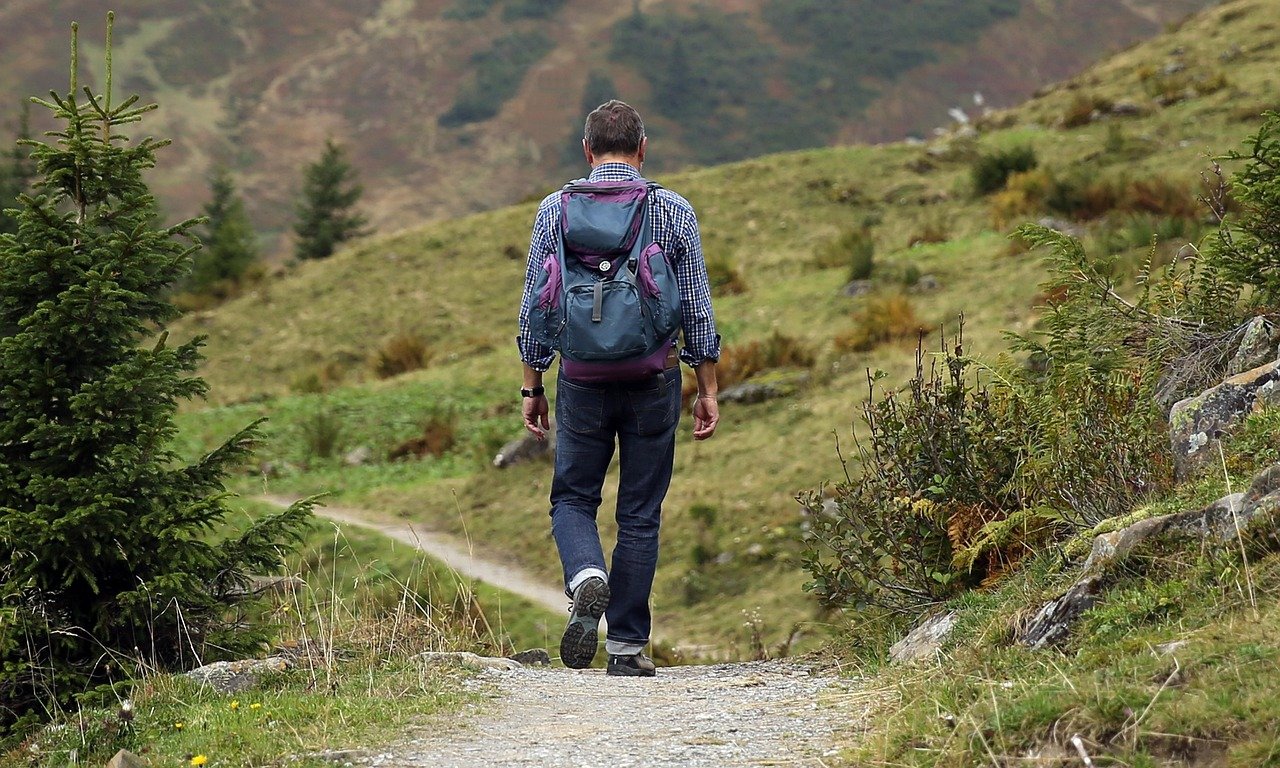
The best time to visit Peru and Machu Picchu is usually the period when your preferred route has the clearest practical conditions, but the ideal choice also depends on your tolerance for crowds and rain.
Machu Picchu sits in a mountainous environment where clouds and showers can change the atmosphere quickly. A drier period may appeal to travelers who want to maximize outdoor sightseeing, while a wetter period can offer a different landscape and fewer visitors in some parts of the route. Neither choice guarantees a particular view.
If you’re hiking rather than taking a shorter visit, think beyond the ruins themselves. Your decision may affect trail conditions, packing, transport arrangements, and how much energy you have for the rest of the itinerary. Build in a buffer instead of scheduling your visit immediately before a flight home.
Book the key parts of your route only after checking the current rules and availability for your travel dates. Access systems, trail arrangements, and permitted circuits can change. A useful booking is one that clearly states the date, route, meeting point, and inclusions rather than one that simply uses a dramatic photograph.
For a broader cultural itinerary, you can connect the mountains with Cusco, the Sacred Valley, and smaller communities along the route. Leave room for altitude adjustment and slower mornings. Independent travel feels much better when every day isn’t built around an early transfer.

Best Time to Visit Peru Weather by Region
The best time to visit Peru weather-wise depends on whether you’re spending more time on the coast, in the Andes, or in the Amazon.
Best Time to Visit Peru Lima
The best time to visit Peru Lima depends on whether you prefer brighter coastal conditions or cooler, cloudier city days. Lima’s climate is different from the highlands, so don’t use a Cusco forecast to plan your whole trip.
For 2026 planning, check the forecast for your exact Lima dates and choose activities that work in either sunshine or low cloud. Museums, food experiences, historic neighborhoods, and restaurants give you useful alternatives when the coast isn’t behaving like a postcard. If you want beach time, keep your schedule flexible rather than assuming every day will suit swimming.
Lima is also an excellent arrival city because it lets you ease into Peru through food, neighborhoods, and museums before heading to higher elevations. I prefer allowing at least some breathing room here, especially after a long international flight.
Highlands and the Andes
The Andes can be sunny, cold, windy, or wet within the same day, particularly when your route crosses different elevations. Pack layers, sun protection, rain protection, and comfortable shoes regardless of the month.
For 2026 travel, check current trail conditions and local transport information shortly before mountain excursions. A flexible plan matters more than a supposedly perfect month. If a high pass or exposed viewpoint becomes unsuitable, a cultural visit or lower-level walk can still make the day worthwhile.
Amazon Basin
The Amazon is hot and humid, and rain can be part of the experience rather than an interruption. The best dates depend on the lodge, river area, wildlife activities, and travel style you choose. Ask what conditions mean for canoe trips, forest walks, swimming, and wildlife viewing before booking.
Best Time to Visit Peruvian Amazon Experiences
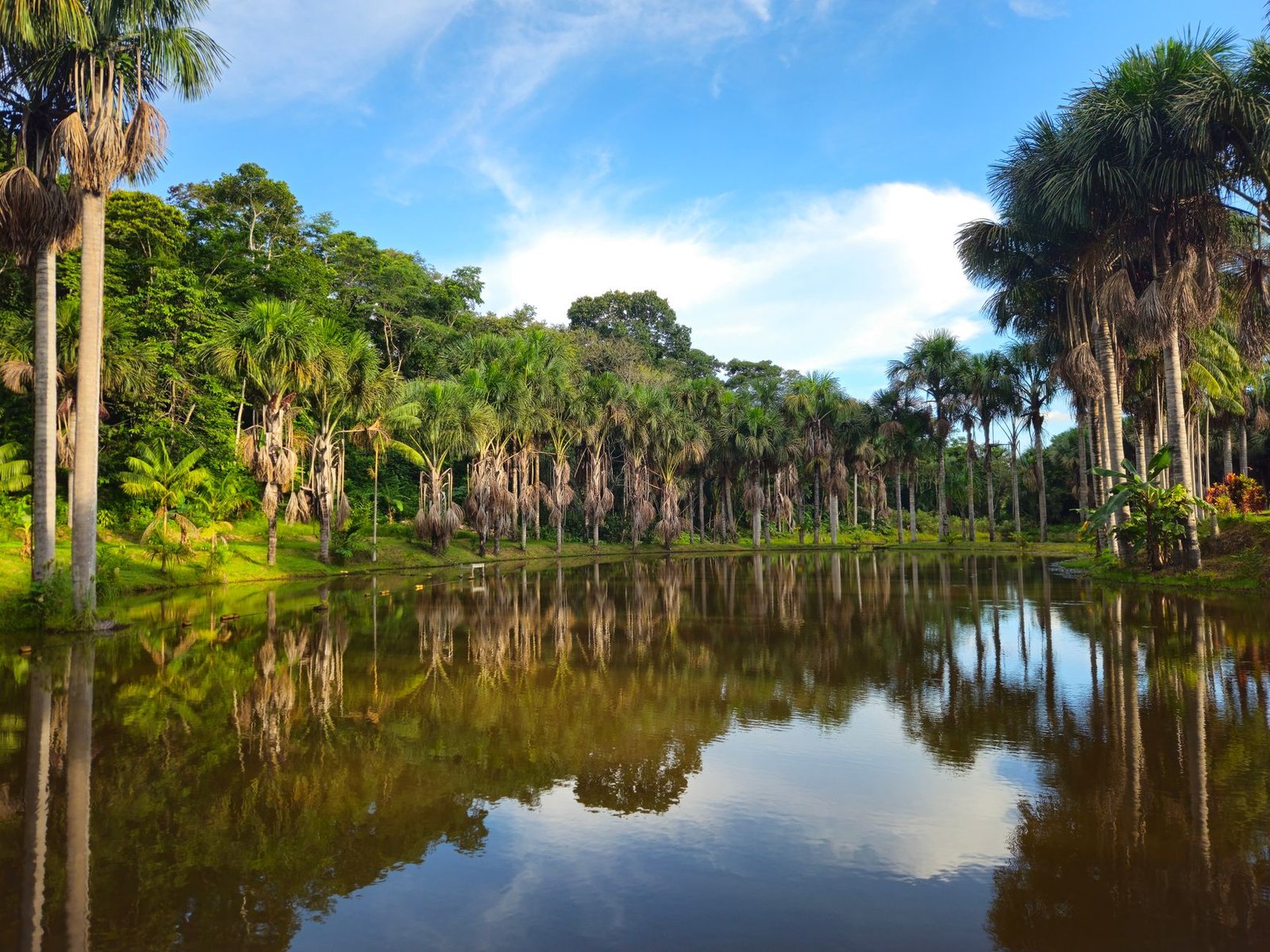
The best time to visit Peruvian Amazon areas is the time that matches your chosen lodge, river conditions, and preferred activities rather than a universal “best” month.
Some travelers prioritize forest walks, while others care more about navigating waterways or spending quiet time at a lodge. Water levels can influence which activities are practical, and rain can arrive even during a period described as drier. Ask the operator how the itinerary changes across the year and what happens if conditions affect a planned excursion.
Pack for humidity and insects, but follow the exact packing list from your lodge. Lightweight long sleeves, quick-drying clothing, and waterproof protection are often more useful than bringing too many outfits. Protect electronics carefully and keep essential medication in your hand luggage.
Amazon travel also rewards patience. Wildlife encounters are never guaranteed, and a good trip is not measured by how many animals you photograph. Choose an operator that explains its environmental approach, group size, accommodation, and daily activities clearly.
If you’re booking organized experiences, compare Peru tours and activities on Klook. Read the itinerary carefully, especially the transport arrangements, meeting point, group size, inclusions, and cancellation terms.
Best Time to Visit Peru and Bolivia Together
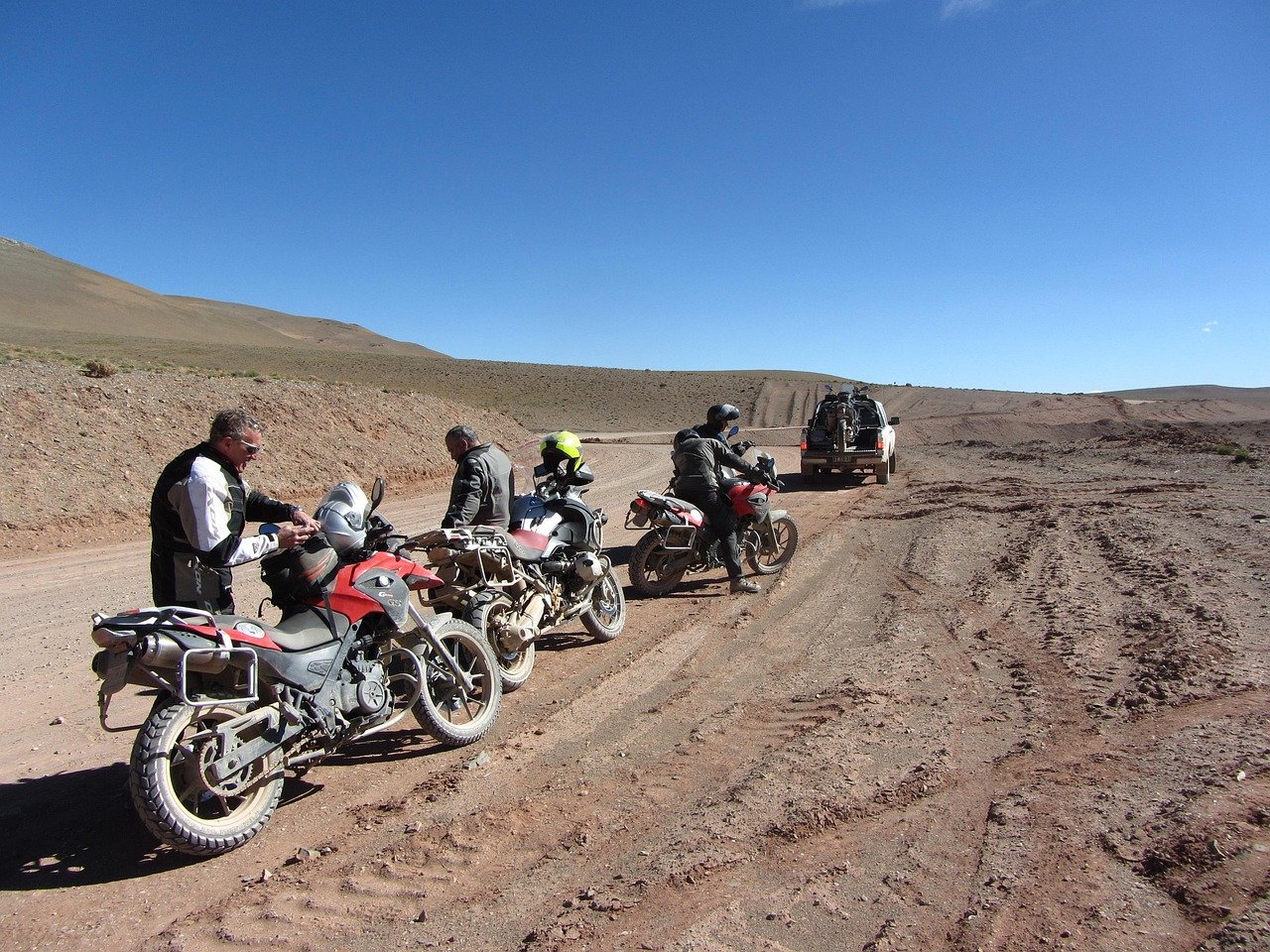
The best time to visit Peru and Bolivia is the overlap between the conditions that suit your Peruvian route and the places you want to experience in Bolivia.
A combined itinerary may include Lima, Cusco, Machu Picchu, Lake Titicaca, La Paz, Uyuni, or other high-altitude destinations. Because several of these places sit high above sea level, altitude and temperature deserve as much attention as rainfall. Don’t pack only for warm daytime photographs; evenings can feel very different.
For 2026 travel planning, verify current border, transport, and entry requirements through official sources before committing to a cross-border route. Requirements can vary by nationality and may change, so avoid relying on a blog post or a traveler’s old itinerary.
Give yourself extra time around border crossings and long overland journeys. A route that looks efficient on a map may feel exhausting after several days at altitude. I’d rather remove one destination than turn the middle of the trip into a sequence of rushed transfers.
For inspiration when shaping a longer independent journey, our guides to things to do in Madeira Portugal and things to do in Porto Portugal show how to balance major sights with food, local neighborhoods, and slower days. The destinations are different, but the same planning principle applies: build around experiences, not just map points.
How to Choose Dates, Budget, and Crowds
The best time to visit Peru for your budget may not be the same as the best time for your weather preferences, so compare the full cost and feel of the trip.
Popular periods can create stronger demand for transport, accommodation, and guided experiences, while quieter periods may offer more flexibility but less predictable outdoor conditions. I wouldn’t choose dates solely because someone calls them “low season.” Ask what you’re gaining and what trade-off you’re accepting.
A useful budget plan includes:
- International and domestic flights, including baggage rules.
- Accommodation in each region, with cancellation conditions checked carefully.
- Entry arrangements or reserved visits where applicable.
- Guides, transfers, and activities that are difficult to arrange independently.
- Weather-appropriate clothing and replacement funds for delays.
Solo travelers can save money by choosing social accommodation or small-group activities, but don’t book a group experience without checking its pace. A low price is less attractive if the itinerary leaves no time to pause, eat properly, or adapt to altitude.
One internal resource that may help with broader travel paperwork is our guide to Portugal visa planning. It isn’t a substitute for Peru’s current official requirements, but its document-organization approach is useful whenever a trip involves several bookings and border checks.
Seven Practical Tips for Planning Peru
These seven practical decisions will help you make the best time to visit Peru work for your actual travel style.
- Choose your centerpiece first. Decide whether the trip revolves around Machu Picchu, the Amazon, Lima’s food scene, or a wider Andes route.
- Compare regions, not just months. Check Lima, the highlands, and the Amazon separately before finalizing dates.
- Leave a weather buffer. Avoid placing your most important outdoor experience immediately before a departure flight.
- Pack in layers. Peru can take you from coastal humidity to cold mountain evenings in one itinerary.
- Respect altitude. Keep your first highland days lighter and pay attention to how your body responds.
- Verify current details. Check official access, transport, border, and entry information for the year you travel.
- Protect free time. A flexible afternoon may become your favorite memory, especially when plans change.
When you’re ready to organize the practical details, check Peru flight prices on Aviasales and browse Peru experiences on Klook. Compare the complete terms before booking, including luggage, transport, meeting points, and cancellation conditions.
FAQ
What is the best time to visit Peru?
The best time to visit Peru depends on your route. For 2026 planning, compare the conditions you want in Lima, the Andes, Machu Picchu, and the Amazon rather than choosing one month for the whole country.
What is the best time to visit Peru and Machu Picchu?
The best time to visit Peru and Machu Picchu is the period that gives you a reasonable balance between mountain conditions, crowds, and your tolerance for rain. Check current access and trail information for your dates.
What is the best time to visit Peru weather-wise?
The best time to visit Peru weather-wise varies by region. Coast, highlands, and Amazon conditions differ, so check separate forecasts and keep outdoor plans flexible.
What is the best time to visit the Peruvian Amazon?
The best time to visit Peruvian Amazon areas depends on your lodge, river conditions, and preferred activities. Ask how seasonal water and rain patterns affect the itinerary before booking.
What is the best time to visit Peru and Bolivia?
The best time to visit Peru and Bolivia is the period that suits both your Peruvian mountain route and your Bolivian destinations. Check current entry and border information, then allow extra time for altitude and overland travel.
What to Do Next
The best time to visit Peru is the time that supports the trip you genuinely want to take. Start by choosing your centerpiece, compare regional conditions, and decide where you can accept rain, crowds, or cooler evenings.
Next, check current official information for access, transport, entry requirements, and any reserved attractions. Then build a route with breathing room. Peru rewards curiosity, but it also rewards patience: leave space for a long meal in Lima, a slow morning in the Andes, or a rain-softened jungle walk that turns out differently from the plan.
This post contains affiliate links. If you book through them, I may earn a small commission at no extra cost to you.
