Where to Stay in Marrakech: 7 Best Areas and Secret Gems You’ll Love
To stay in marrakech well, you need to choose more than a beautiful room. Your neighborhood shapes how easily you reach the souks, whether evenings feel lively or relaxed, how much you rely on taxis, and how comfortable you feel finding your way back after dinner. I think that choice matters more here than in many cities because Marrakech changes character from one district to the next.
For a first visit, I usually point travelers toward the medina if they want atmosphere and easy access to historic sights. Gueliz or Hivernage can be a better fit if you prefer wider streets, modern restaurants and a simpler arrival. Budget travelers, solo visitors and people planning day trips may each have a different answer. This guide breaks down the best areas, accommodation styles and practical details so you can choose your base with confidence.
Table of Contents
Where to stay in marrakech at a glance
The best place to stay in marrakech depends on whether you value historic atmosphere, nightlife, quiet evenings, modern convenience or the lowest possible cost. The medina is the classic choice, Gueliz is the easiest modern base, Hivernage suits travelers seeking polished hotels, and Kasbah offers a calmer historic setting near major monuments.
- Medina: best for first-time visitors, traditional riads, souks and historic streets.
- Gueliz: best for modern cafés, restaurants, wider streets and straightforward transport.
- Hivernage: best for upscale hotels, nightlife and a more polished city break.
- Kasbah: best for a quieter medina experience close to the Saadian Tombs and royal district.
- Palmeraie: best for resort-style stays, space and pools rather than walking to sights.
Before booking, I’d look carefully at the map rather than trusting a property’s neighborhood label. A riad described as being “near the medina” may still require a taxi followed by a walk with luggage. That can be part of the charm, but it’s worth knowing in advance.
Where to stay in marrakech medina
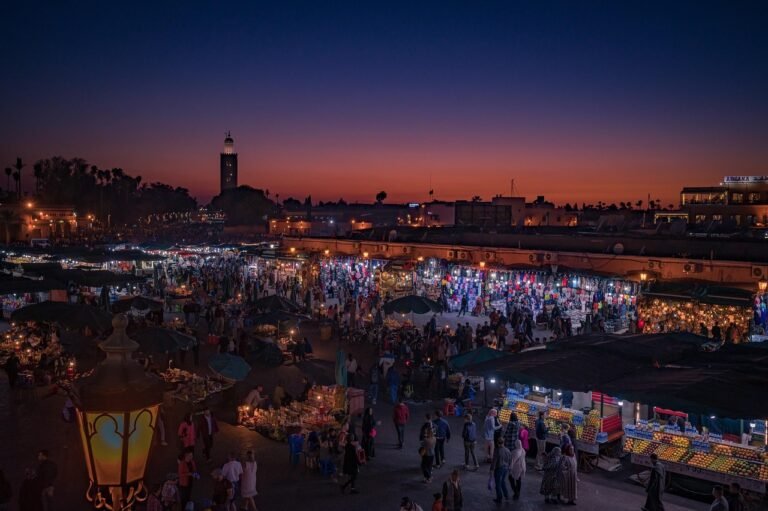
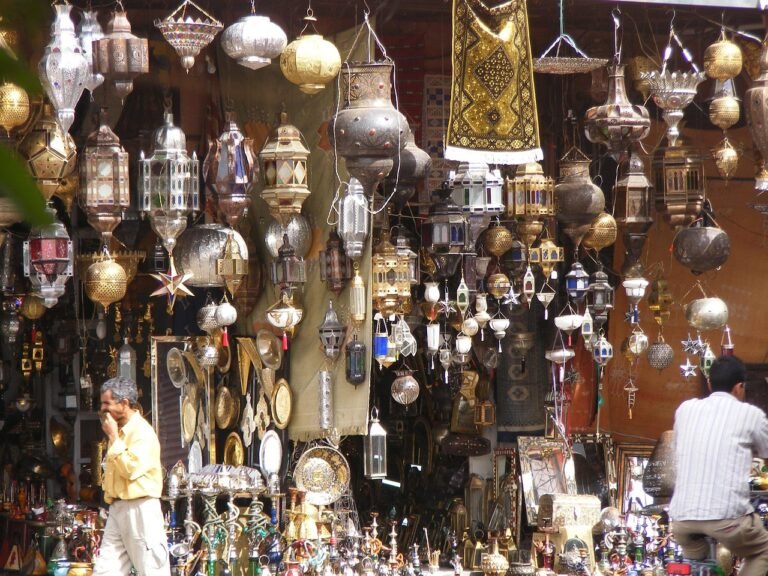
The medina is the best place to stay in marrakech for travelers who want to step directly into Marrakech’s traditional urban life. This walled historic district contains the souks, small food stalls, riads, craft workshops and many of the city’s most recognizable sights.
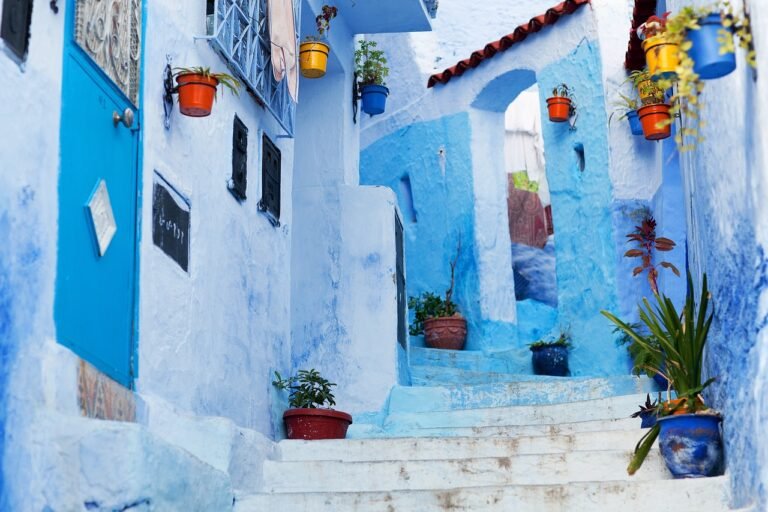
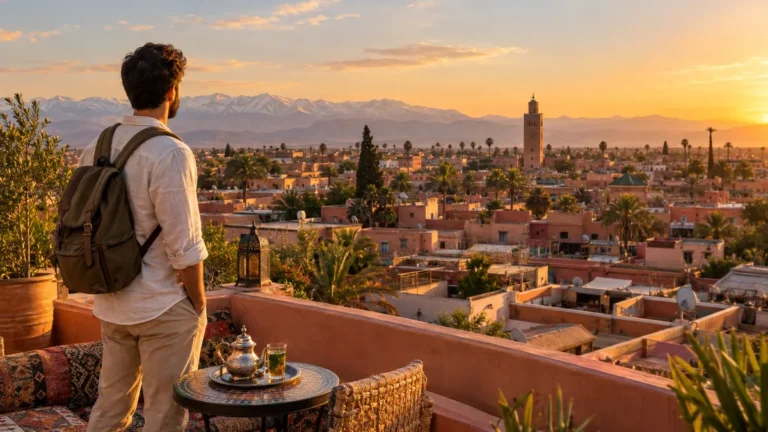
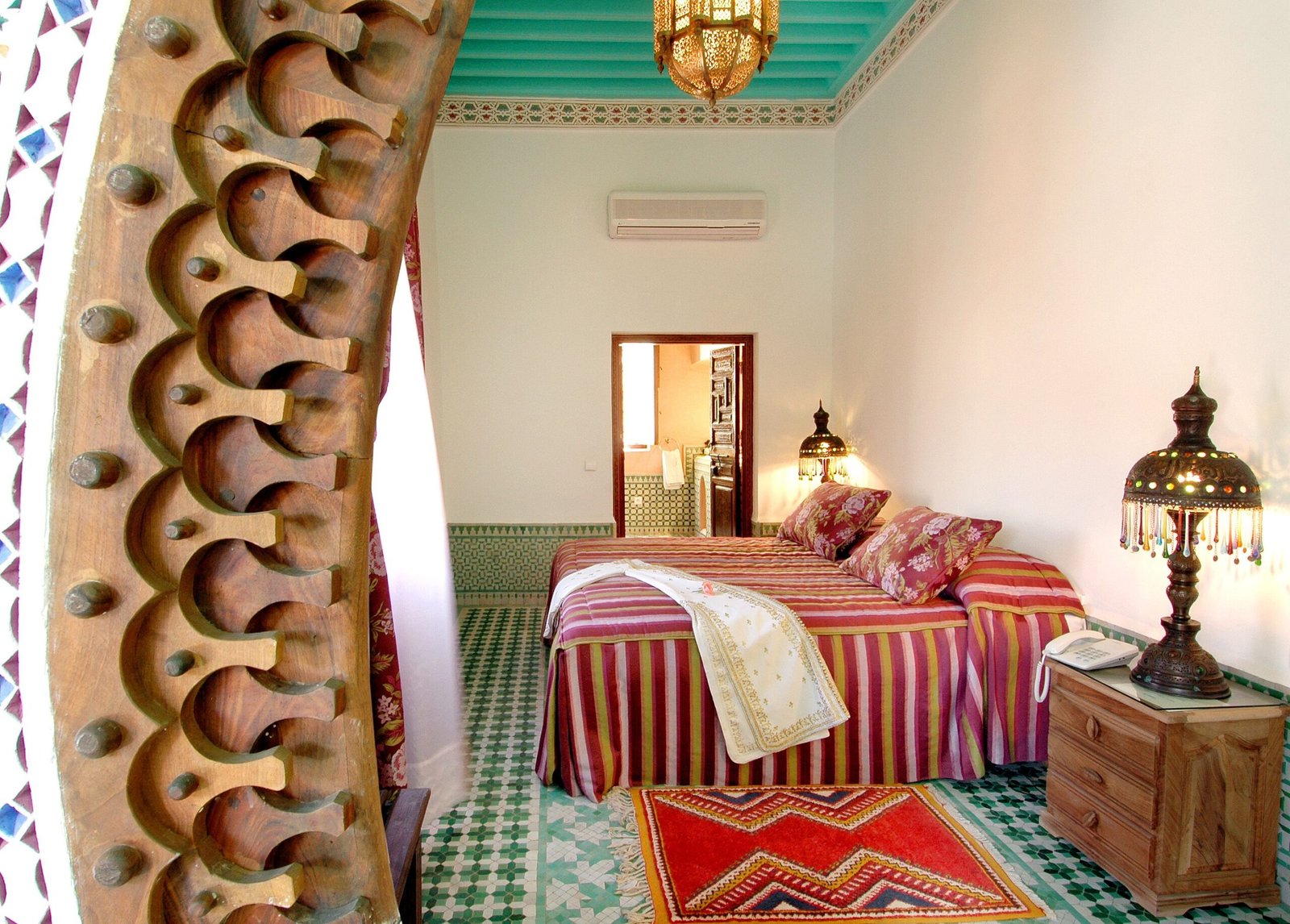
A riad is a traditional house organized around an interior courtyard, and staying in one can make the city feel wonderfully intimate. From the street, the entrance may look modest; inside, you might find tiled walls, carved plaster, a small plunge pool or a rooftop terrace. I like this style of accommodation because it creates a quiet retreat after the noise and movement of the lanes.
The trade-off is logistics. Many medina streets are narrow or pedestrianized, so vehicles may not reach the front door. If you arrive with a large suitcase, ask the property exactly where the driver can drop you and whether someone will meet you. A porter or staff member may help with the final walk, but confirm the arrangement before arrival rather than improvising after a flight.
Which part of the medina should you choose?
Near Jemaa el-Fnaa is convenient for travelers who want to reach the famous square and surrounding souks quickly. It’s also the liveliest option, so check recent guest comments for noise if you’re a light sleeper. Around Mouassine and Dar el Bacha, you’ll find a strong concentration of attractive riads, cafés and historic architecture. The Kasbah side feels somewhat calmer and places you closer to the Saadian Tombs and the southern monuments.
For solo travelers, I’d choose a riad with clear arrival instructions, a staffed reception and a location that’s easy to find on the first night. A rooftop breakfast, communal lounge or cooking activity can also make it easier to meet other travelers without having to organize a social plan from scratch.
Stay in marrakech Gueliz for modern convenience
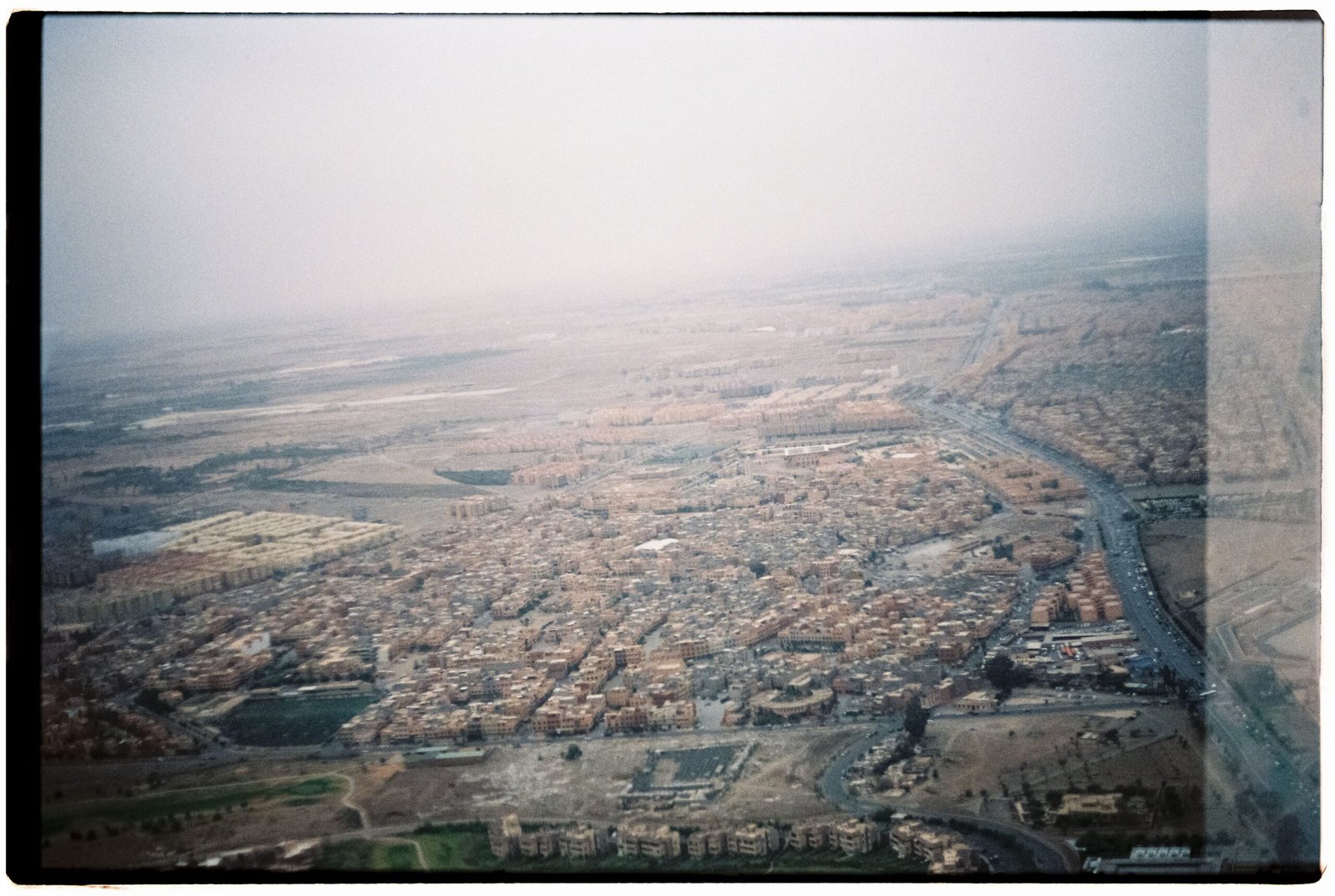
To stay in marrakech in Gueliz is to trade some medina atmosphere for wider streets, contemporary cafés, restaurants, shops and a more familiar hotel setup. This is a practical choice for travelers who want to walk without constantly navigating narrow lanes or who prefer accommodation with elevators, larger rooms and conventional front desks.
Gueliz grew as the modern part of the city and has a noticeably different rhythm from the old town. It can be a good fit for longer stays, remote workers and travelers who want more dining variety. You’ll still be able to visit the medina, but you may rely on taxis or other local transport for some outings rather than stepping straight from your door into the souks.
I’d especially consider Gueliz if you’re arriving late, carrying heavy bags or planning several day trips. The simpler street layout can reduce arrival stress. It’s also a useful base for travelers who don’t want every evening to revolve around the medina’s busiest areas.
When comparing hotels here, check whether breakfast, air conditioning, a lift and a quiet room are included in the room category you’re considering. Marrakech can be hot during summer, while winter evenings may feel cool indoors, so climate control is more useful than glossy photographs suggest.
If you’re researching broader routes and arrival logistics, this Morocco travel guide for first-time visitors is a helpful next step. It puts Marrakech into context with Fes, the Atlas Mountains, Essaouira and the desert.
Stay in marrakech Hivernage or Kasbah?
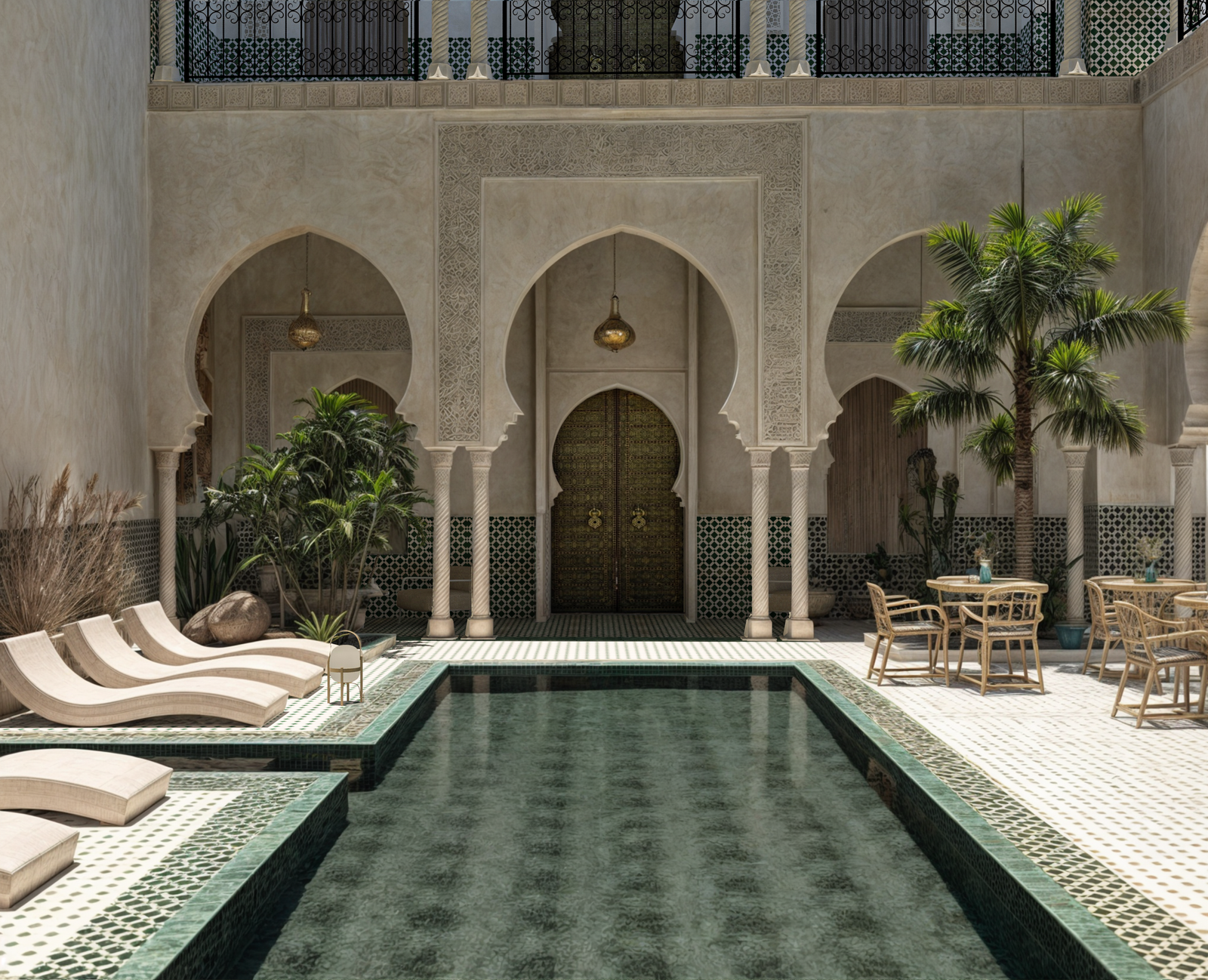
Hivernage and Kasbah suit different versions of a comfortable Marrakech trip: Hivernage feels modern and polished, while Kasbah keeps you close to the historic city with a quieter residential mood. Both can work well, but I wouldn’t treat them as interchangeable.
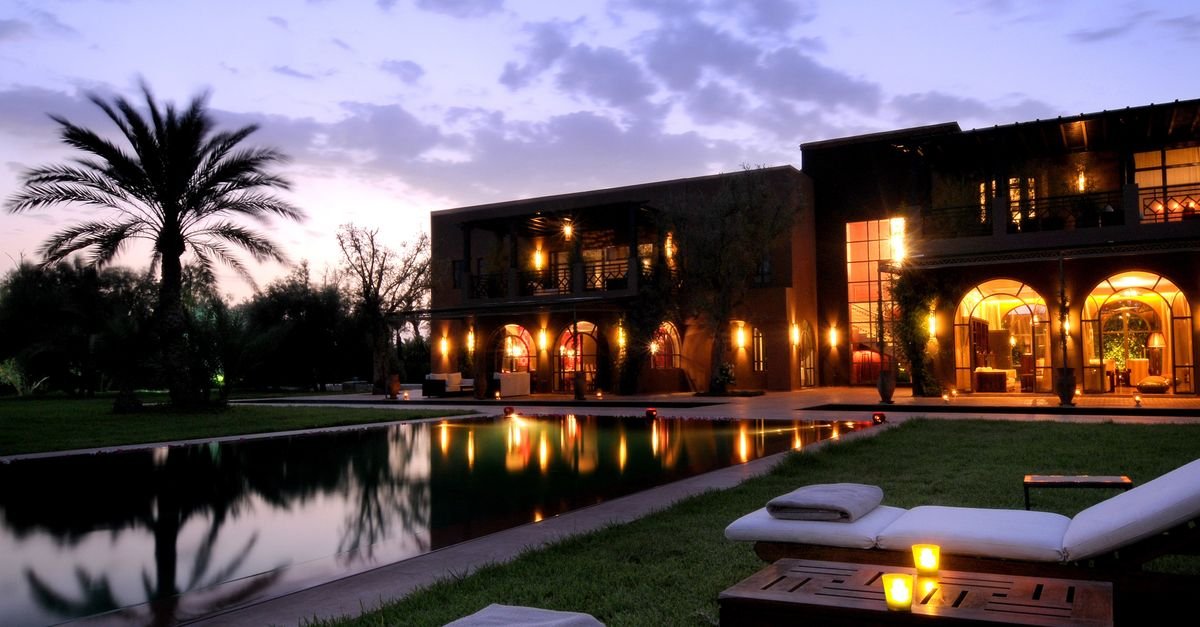
Hivernage is known for larger hotels, restaurants, landscaped streets and evening entertainment. It can be a good option for a special occasion or for travelers who want hotel facilities such as a pool, spa or full-service restaurant. The area is less immersive than the medina, but that distance can feel like a relief after a busy day of bargaining and sightseeing.
Kasbah sits near the southern edge of the old city and offers a more peaceful way to stay inside the historic fabric. You’re close to important monuments, and the atmosphere is generally less centered on the main market routes. Look for a riad with a terrace, a courtyard and strong reviews about access, since the same narrow-street considerations apply here.
My rule is simple: choose Hivernage for facilities and ease, Kasbah for character and location. If you’re splitting a trip between two properties, this can be a nice combination—one stay in a traditional riad and one in a more spacious modern hotel.
Where to stay in marrakech on a budget
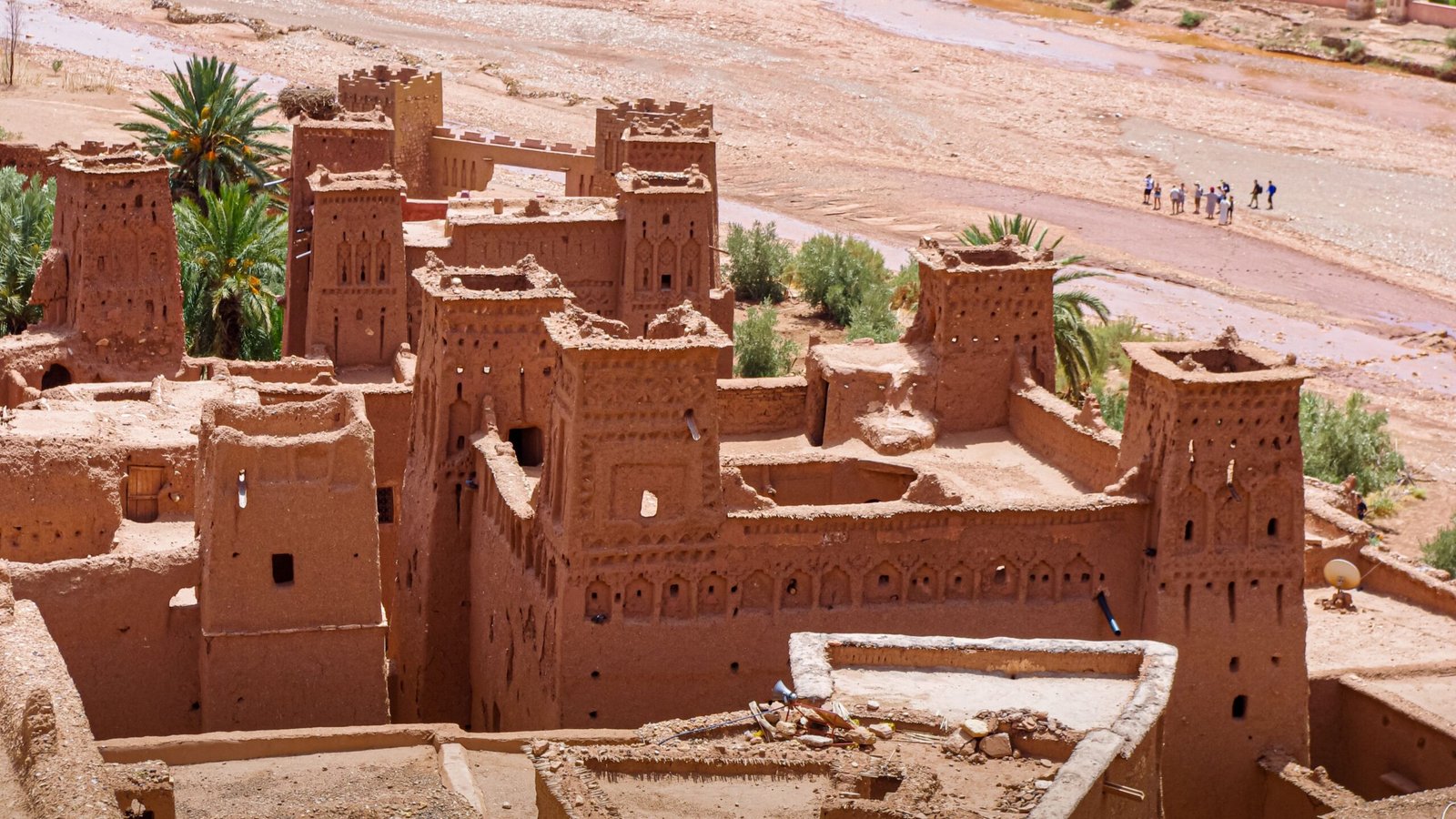
Budget travelers can stay in marrakech comfortably by focusing on location, cleanliness and reliable arrival support rather than chasing the absolute lowest room rate. Hostels, simple guesthouses and modest riads can offer excellent value, especially when you spend most of the day exploring.
In the medina, compare how close the accommodation is to a taxi-accessible road. A cheap room deep inside the lanes may become inconvenient if you arrive with luggage or return late. In Gueliz, you may pay for a less atmospheric room but save time and energy on transport. The better choice depends on how often you want to visit the old city.
Solo travelers should look beyond the nightly rate. A dorm with a communal terrace, organized activities or a welcoming common room may be worth slightly more because it creates natural opportunities to meet people. For two travelers, a simple private room in a well-reviewed riad can sometimes make more sense than two dorm beds, but compare the total rather than assuming.
Food is another reason not to overpay for an elaborate hotel package. A property that includes breakfast can be convenient, while a room-only option may give you more freedom to try neighborhood cafés and market food. I’d ask what the accommodation actually provides, including Wi-Fi, luggage storage, heating or cooling, and late check-in.
For a realistic overall budget, read this guide to how much a trip to Morocco costs. Accommodation is only one part of the calculation, and transport, tours and food can influence your final spending just as much.
How to choose the right Marrakech accommodation
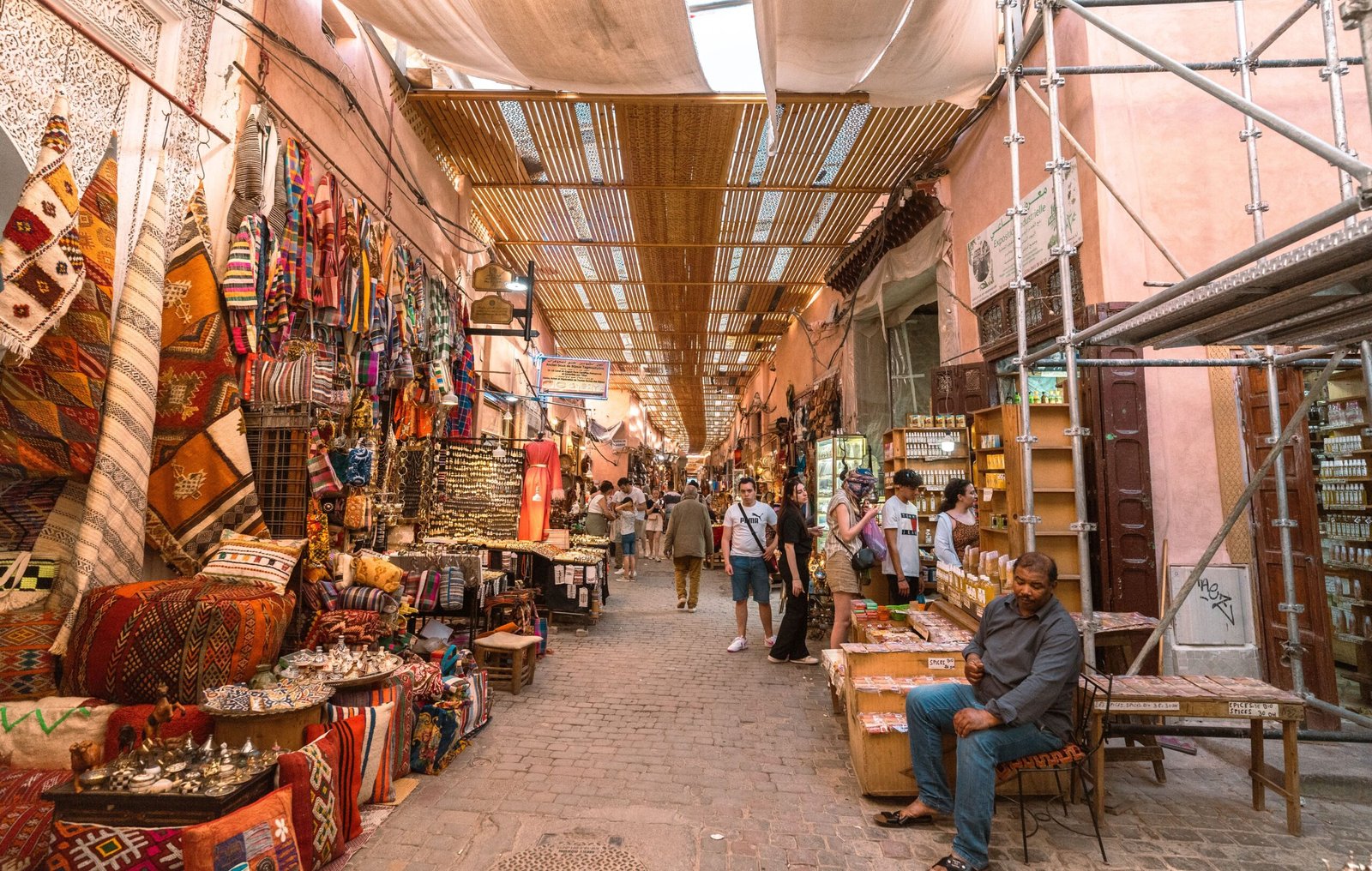
The right place to stay in marrakech should match your daily plans, not just your preferred interior style. I’d make the decision using five practical questions before opening the booking page.
- How much walking do you want? If you love wandering, choose a central medina location. If you want predictable streets and easier taxis, consider Gueliz or Hivernage.
- How will you arrive? Ask whether a car can reach the door and whether the property offers clear directions or an arrival escort.
- What kind of evening do you prefer? Stay near the medina for souks and traditional restaurants, or choose Gueliz and Hivernage for modern dining and nightlife.
- What facilities matter? A riad may prioritize atmosphere and a courtyard, while a hotel may offer a lift, gym, pool or round-the-clock desk.
- Are you taking day trips? A location with simpler road access can save hassle if you’re heading to the Atlas Mountains, Essaouira or elsewhere.
Reviews are particularly useful for details that property descriptions often skip. Search for comments about street noise, hot water, Wi-Fi, bed comfort, room temperature, staff communication and the walk from the drop-off point. I also check whether recent guests found the property easy to locate, because confusing directions are frustrating when you’ve just arrived.
Getting to your accommodation in Marrakech
Arrival is the moment when your neighborhood choice becomes real. The airport, the medina and the modern districts all connect differently, so arrange the first leg before you land if you’re arriving late or traveling alone.
A pre-booked transfer can be useful for a first visit, especially when your accommodation sits inside a pedestrian area. You can book a Marrakech airport transfer with Kiwitaxi and share your accommodation details in advance. Even if you usually travel independently, having the first arrival organized can make the rest of the trip feel much easier.
If you’re staying in a medina riad, send the property your arrival information and ask for the exact meeting point. Save the address offline, keep the riad’s phone number accessible and avoid assuming that a map pin means a vehicle can reach the entrance. For Gueliz or Hivernage hotels, the arrival is usually more straightforward, but it’s still sensible to confirm the entrance and check-in arrangements.
Once you’ve settled in, walking is often the most rewarding way to understand Marrakech. Let yourself take a slower route, pause for mint tea and explore beyond the most heavily visited streets. If you want a guided introduction before venturing out alone, browse Marrakech tours and activities on Klook for options that can help you get oriented.
When to stay in marrakech
The best time to stay in marrakech depends on whether you prioritize comfortable sightseeing, lower demand or a particular wider-Morocco itinerary. Spring and autumn are commonly favored for balanced conditions, while summer can be intensely hot inland and winter brings cooler nights. Check the detailed month-by-month Morocco travel season guide before locking in your dates.
Your accommodation needs may change with the season. In hot weather, air conditioning and a shaded terrace matter. In cooler months, ask whether rooms have reliable heating, since a beautiful courtyard doesn’t help much on a chilly evening. During busy travel periods, popular riads can fill quickly, so book earlier if you have a specific style or location in mind.
Ramadan can also affect daily routines, restaurant schedules and the atmosphere of evenings. It can be a meaningful time to visit, but I’d check current dates and ask your accommodation how meals and local services work during your stay.
Plan your stay in marrakech
My best advice is to choose the neighborhood first, then compare properties within that area. Pick the medina for immersion, Gueliz for modern practicality, Hivernage for hotel comforts or Kasbah for a quieter historic base. There isn’t one universally best answer—only the place that suits the way you want to spend your days.
Before booking, compare the complete experience: arrival access, room facilities, recent reviews, breakfast, cancellation terms and the time you’ll spend getting to your main sights. For official destination inspiration and practical planning information, visit the official Morocco tourism website.
When you’re ready to book, compare activities on Klook and arrange a straightforward arrival with Kiwitaxi. Then save your accommodation details offline, leave room for wandering and let Marrakech reveal itself one street at a time.
This post contains affiliate links. If you book through them, I may earn a small commission at no extra cost to you.