Things to Do in Kyoto: 15 Ultimate Experiences You’ll Love
Things to do in Kyoto range from quiet temple gardens and bamboo-lined paths to market snacks, traditional crafts, and lively evening lanes. I love that Kyoto rewards both careful planning and aimless wandering: you can begin with a famous shrine, turn down a side street, and end up discovering a tiny café or workshop that wasn’t on your map.
This guide brings together 15 experiences for first-time visitors, solo travelers, families, food lovers, and anyone researching things to do in kyoto reddit discussions. I’ve included Kyoto’s headline sights, but also the slower experiences that help the city feel more personal. Before you arrive, you may also want to browse our guide to things to do in Tokyo if you’re building a wider Japan itinerary.
Table of Contents
Things to Do in Kyoto Japan for First-Time Visitors
The best things to do in kyoto Japan for a first visit combine Kyoto’s major cultural landmarks with enough free time to notice the details between them.
1. Walk Through Fushimi Inari Taisha
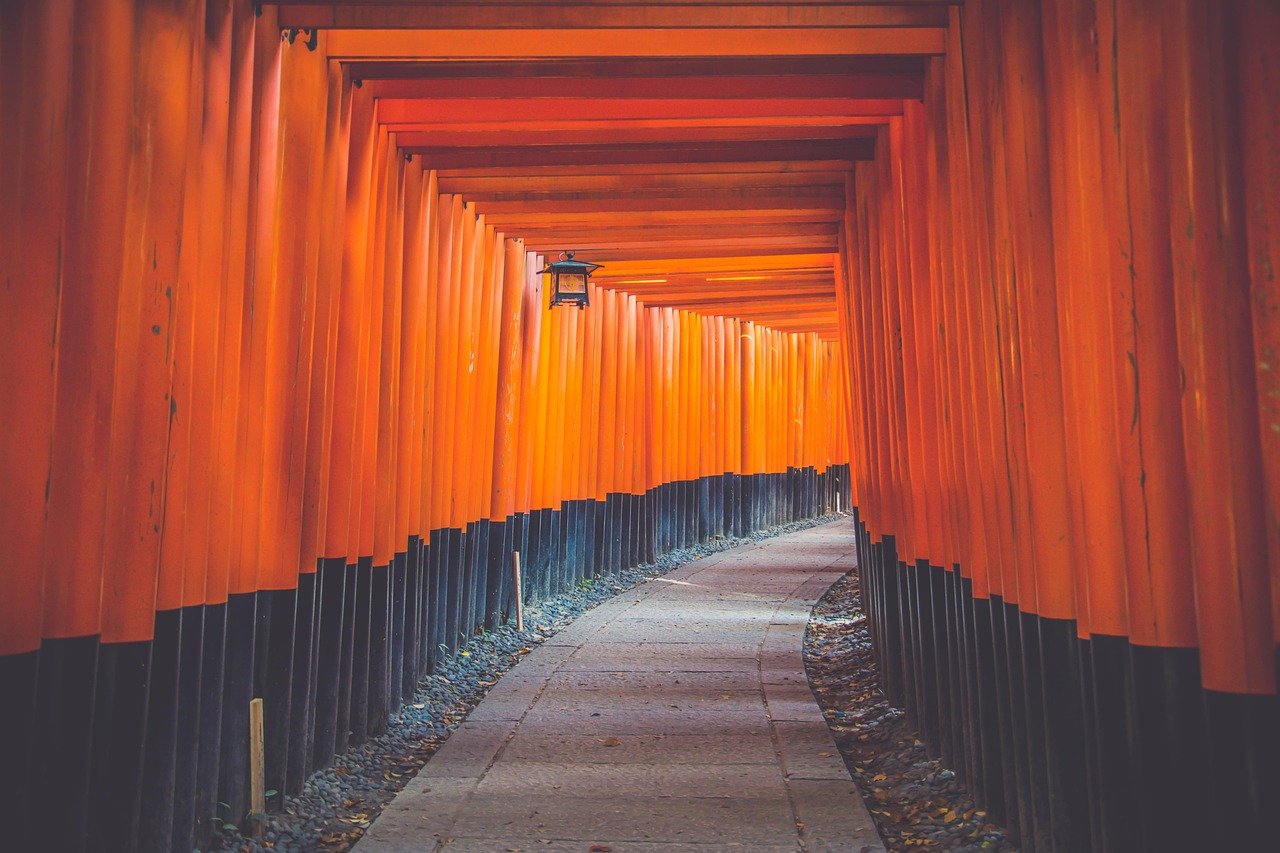
Fushimi Inari Taisha is one of the most recognizable places in Kyoto, thanks to its long sequence of vermilion torii gates climbing through the wooded hillside. The shrine is much more enjoyable when treated as a walk rather than a quick photo stop. Move at your own pace, notice the smaller shrines along the route, and step aside when you need a break.
This is one of the things to do in kyoto Japan that works especially well early in your trip because it introduces the atmosphere of Shinto shrine visits while giving you a memorable outdoor experience. Wear comfortable shoes and leave room in your schedule for the walk to take longer than expected.
2. Explore Kiyomizu-dera and Higashiyama
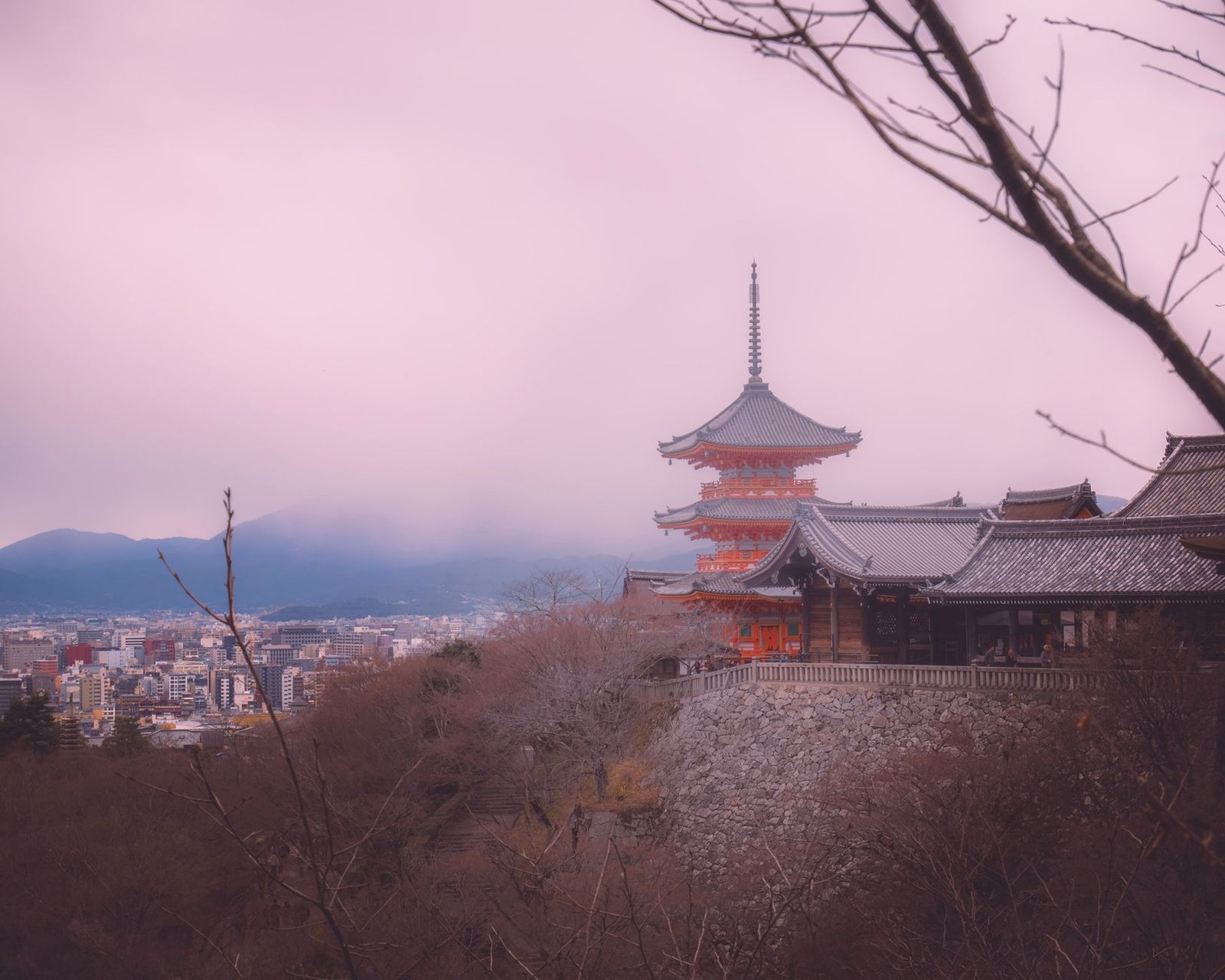
Kiyomizu-dera and the surrounding Higashiyama streets make a natural introduction to Kyoto’s historic eastern side. The temple offers striking views across the city, while the approach leads through traditional-looking lanes, small shops, cafés, and places selling local sweets and souvenirs.
I’d avoid rushing straight from the station to the temple and back. Give yourself time to explore respectfully, especially in residential lanes. Higashiyama can become busy, so keep your belongings close, avoid stopping in the middle of narrow streets, and remember that the neighborhood is also part of everyday life for local residents.
3. Visit Kinkaku-ji
Kinkaku-ji, often called the Golden Pavilion, is worth seeing for its carefully composed setting of architecture, water, and greenery. The visit follows a defined route, so it’s less about wandering freely and more about appreciating how the pavilion changes as you move around the grounds.
Because this is a popular attraction, I’d pair it with nearby experiences rather than trying to combine it with distant parts of the city. Look at the broader area on a map, plan a meal or another cultural stop nearby, and keep your expectations realistic: the pavilion is a focused visit, not an all-day attraction.
4. Slow Down at Ginkaku-ji and the Philosopher’s Path
Ginkaku-ji, the Silver Pavilion, offers a quieter visual contrast to Kinkaku-ji, with gardens, moss, stone arrangements, and a route that encourages slower observation. From there, the Philosopher’s Path creates an easy framework for a relaxed walk beside the canal.
This is one of my favorite kinds of Kyoto plan in theory: one significant cultural stop followed by a gentle walk and an unhurried meal. The route can feel different depending on the season and weather, so don’t force it if you’re tired. Kyoto is better when you leave enough energy to actually pay attention.
Things to Do in Kyoto for Food, Culture, and Craft
Some of the most rewarding things to do in kyoto involve eating, learning, and noticing the skills behind everyday objects rather than moving from one famous landmark to another.
5. Browse Nishiki Market
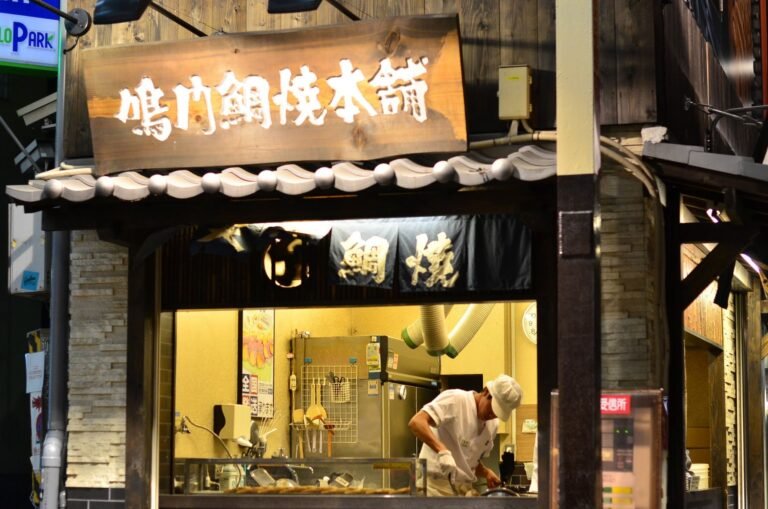
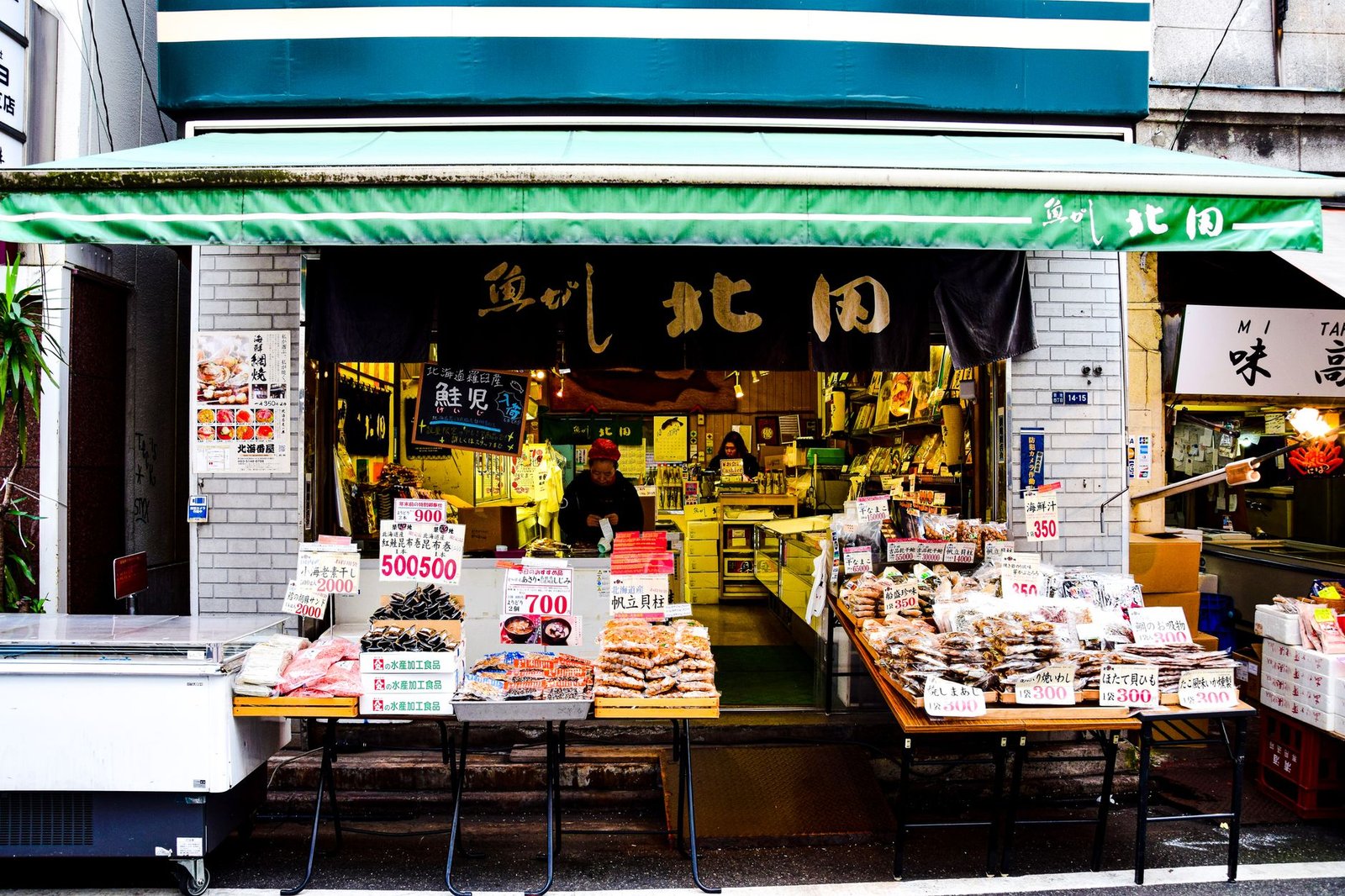
Nishiki Market is a lively place to explore Kyoto’s food culture, with stalls and shops offering snacks, pickles, sweets, seafood, tea, and cooking-related products. Go with curiosity, but remember that it’s a working market as well as a visitor attraction. Follow stall rules, avoid blocking the flow of people, and ask before photographing vendors or food preparation.
Instead of trying to taste everything, choose a few items that genuinely interest you. If you have allergies or dietary restrictions, confirm ingredients carefully before ordering. A market is more enjoyable when you treat it as a chance to learn rather than a race to collect snacks.
6. Join a Tea Ceremony or Cooking Experience
A tea ceremony or cooking class gives Kyoto’s traditions a more human scale. You’re not simply looking at an old building; you’re learning about gestures, ingredients, tools, hospitality, and the patience involved in preparing something well.
This kind of activity can be particularly useful for solo travelers who want a natural opportunity to meet people. You can compare Kyoto tea ceremonies and cooking experiences on Klook. Check the meeting point, language, group size, duration, accessibility, dietary details, and cancellation conditions before booking.
7. Discover Kyoto’s Traditional Crafts
Kyoto is associated with many traditional crafts, from textiles and ceramics to woodworking, paper, sweets, and incense. A workshop can help you understand the time and precision behind objects that might otherwise look like attractive souvenirs.
Choose an experience that lets you ask questions and make something at a comfortable pace. I’d rather spend an afternoon learning one craft properly than rush through several shops without understanding what I’m seeing. If you buy something, ask about its materials and care requirements so it remains useful after the trip.
8. Eat Like a Local, Without Chasing Perfection
Kyoto’s food scene is broad enough to keep you curious for days. Try dishes associated with the region, but also leave room for noodles, tofu, sweets, seasonal vegetables, small restaurants, and whatever catches your attention while walking.
One of the best ways to approach meals is to choose an area, inspect menus, and select a place that fits your budget and mood. Tiny restaurants may have limited seating or particular ordering customs, so observe what other diners do and be patient. If you’re unsure where to begin, a guided food experience can make the first evening easier.
Things to Do in Kyoto at Night and in the Arashiyama Area
The best things to do in kyoto at night and around Arashiyama are usually atmospheric rather than frantic: lantern-lit streets, quiet temple surroundings, riverside walks, and food shared slowly.
9. Wander Gion Respectfully
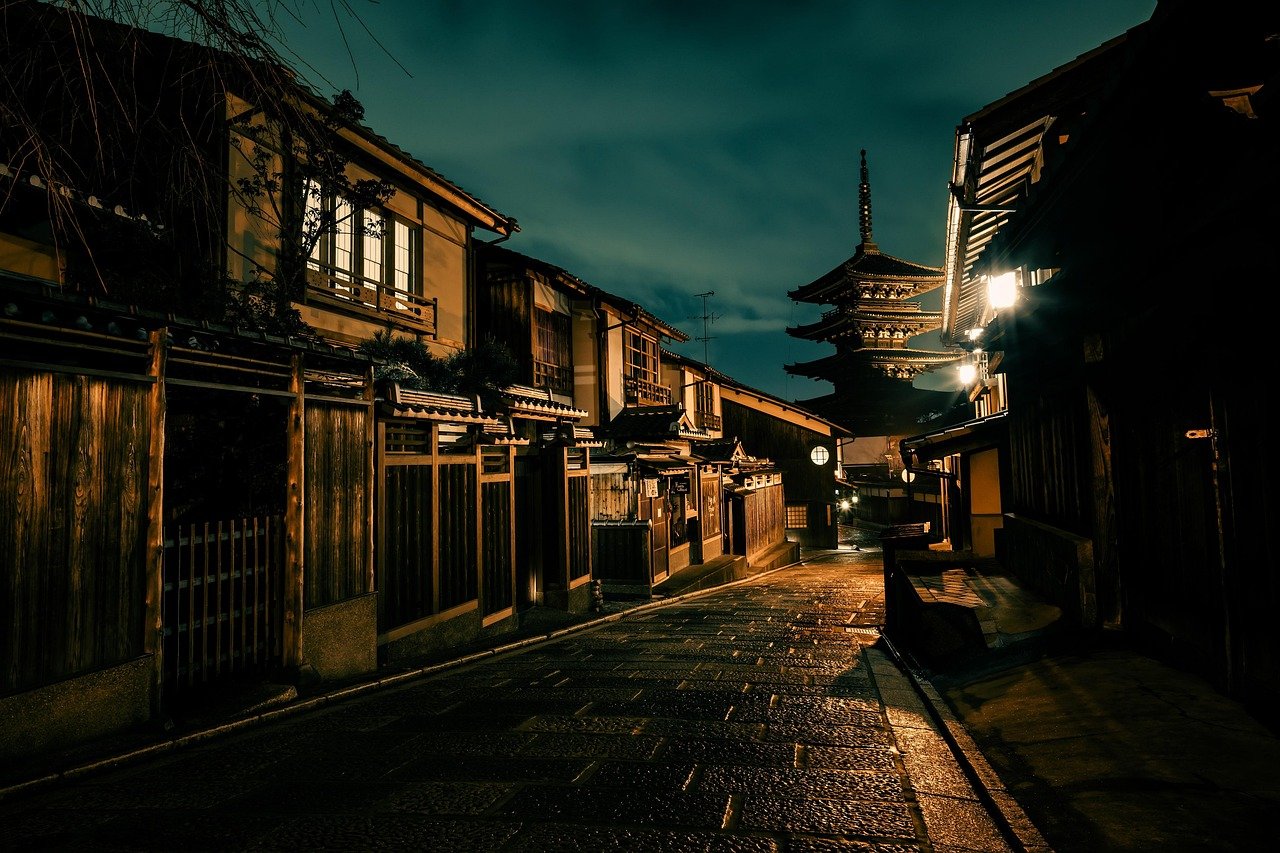
Gion is one of Kyoto’s most atmospheric districts, with wooden townhouses, narrow lanes, traditional restaurants, and a strong connection to the city’s performing arts. Walk quietly, stay on public routes, and never photograph people without permission. The area is not a stage set; it is a neighborhood and workplace.
Gion is particularly appealing after a day of large temples and busy shopping streets because the mood changes as evening arrives. Don’t assume you need an expensive dinner to enjoy it. A respectful walk, a tea stop, or a simple meal nearby can be enough.
10. Cross the Yasaka Shrine Grounds After Dark
Yasaka Shrine provides an easy way to experience Kyoto after sunset without needing a complicated nightlife plan. The approach connects naturally with Gion and nearby walking routes, so you can build an evening around a meal, a shrine visit, and a gentle stroll.
When planning things to do in kyoto at night, keep the pace flexible. Some travelers want a lively bar or performance, while others prefer an illuminated street and an early night. Kyoto can accommodate both styles if you don’t treat nightlife as a competition.
11. Explore Arashiyama Beyond the Bamboo Grove
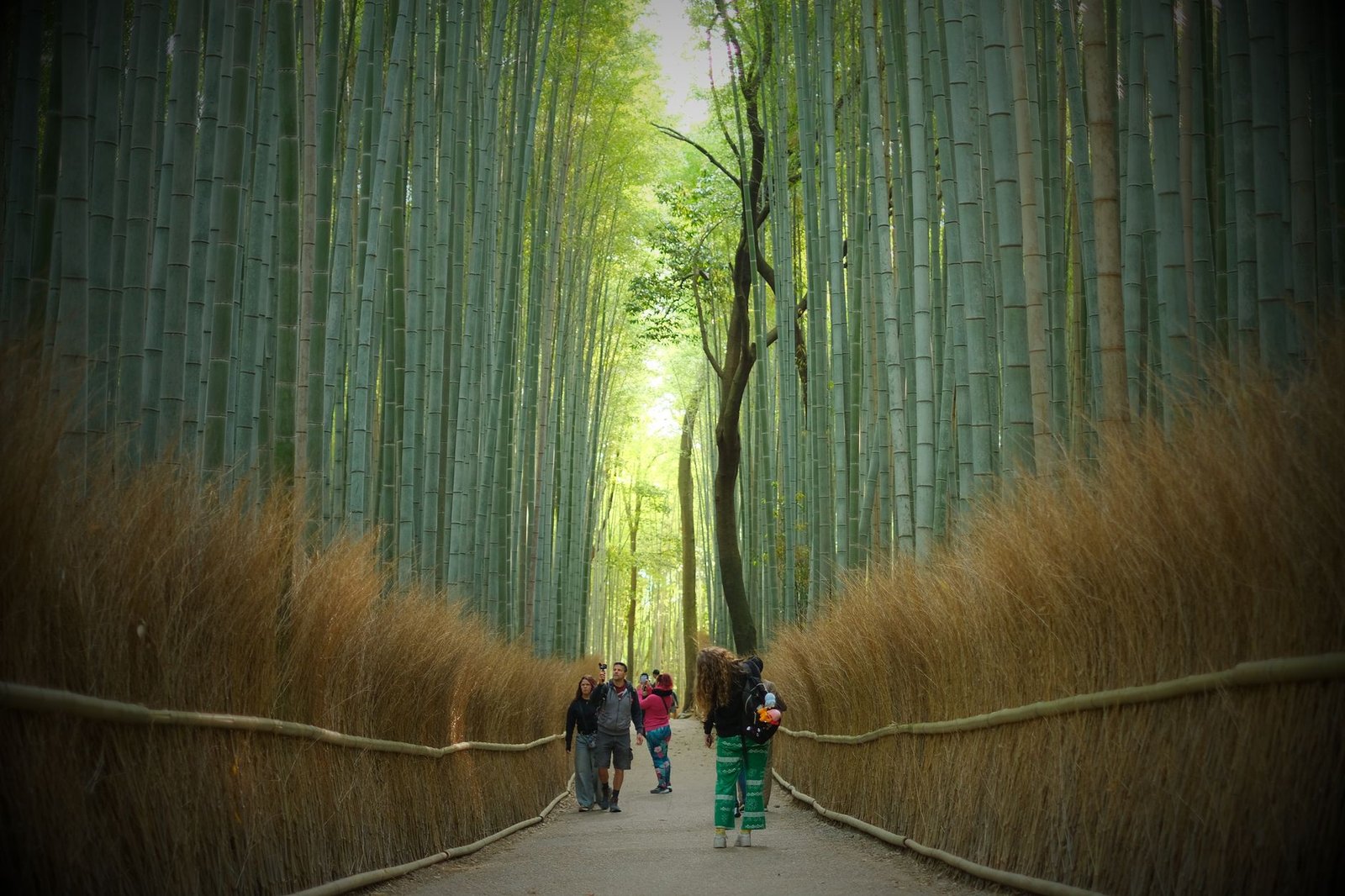
The Arashiyama Bamboo Grove is famous for good reason, but the surrounding district deserves more than a quick walk through the bamboo. Explore the river area, visit a temple or garden, and allow time to wander beyond the most photographed path.
Arashiyama can become crowded, so patience matters. Avoid stopping in the center of the walkway for photos, follow signs and local guidance, and consider visiting the bamboo area early if it is a major priority. The wider neighborhood often becomes more enjoyable once you stop chasing the perfect empty photograph.
12. Take an Evening Walk Along the Kamo River
The Kamo River is a lovely place to slow down after sightseeing. A riverside walk gives you a different view of Kyoto’s scale and creates an easy transition between neighborhoods, restaurants, and evening plans.
This is one of the simplest things to do in kyoto at night, and that’s exactly the appeal. You don’t need a reservation, an elaborate outfit, or a strict schedule. Bring a warm layer when appropriate, choose a comfortable route, and let the city’s everyday rhythm become part of your trip.
Things to Do in Kyoto With Kids and Independent Travelers
The most successful things to do in kyoto with kids and solo travelers balance famous sights with food breaks, hands-on activities, and enough flexibility to change plans.
13. Visit Kyoto Railway Museum
Kyoto Railway Museum can be a useful change of pace when children need something interactive after several temples and gardens. Trains offer a clear focus for a family outing, and the museum setting can make transport history easier to understand than a traditional sightseeing stop.
Check current visitor information and access arrangements before going, especially if a particular exhibit or activity is important to your family. Plan a meal or outdoor break around the visit rather than expecting children to stay engaged indefinitely.
14. See Kyoto from a Different Viewpoint
A city view can help children and adults understand how Kyoto fits together. Choose a viewpoint or elevated public space that works with your route, then use what you see to identify mountains, river corridors, temple districts, and the neighborhoods you’ve already explored.
This is also a good solo-travel activity because it gives you a quiet moment to orient yourself. I find that a viewpoint is more meaningful after several days in a city, when familiar streets begin to connect into a larger picture.
15. Take a Day Trip to Nara or Osaka
One of the best things to do in kyoto and osaka is to treat both cities as different experiences rather than trying to blur them into one packed itinerary. Osaka offers a more energetic urban contrast, while Nara can add temples, parkland, and a different historical atmosphere.
Before arranging a day trip, check the current transport route, your accommodation location, and how much time you actually want to spend away from Kyoto. If this is your first visit, I’d rather see Kyoto properly than collect several rushed cities. For arrival or departure logistics, you can review Kyoto transfer options with Kiwitaxi and compare the pickup details, vehicle information, luggage conditions, and cancellation terms.
Families searching for things to do in kyoto with kids should choose the day trip according to attention spans and weather, not simply what appears closest on a map. Solo travelers have more flexibility, but the same principle applies: a relaxed day usually leaves better memories than a complicated route filled with transfers.
How to Plan Things to Do in Kyoto
Planning things to do in kyoto by neighborhood is the easiest way to reduce wasted travel time and keep your days enjoyable.
Group Fushimi Inari with other southeastern Kyoto stops, explore Kiyomizu-dera and Higashiyama together, and give Arashiyama its own block of time. Keep Nishiki Market, Gion, and the Kamo River connected in your plans where practical. This approach gives you a clearer sense of place and reduces the temptation to crisscross the city for one attraction at a time.
For accommodation ideas, our guide to where to stay in Tokyo offers a useful reminder that the right neighborhood can shape an entire trip. Kyoto deserves the same attention: check your hotel’s exact location, nearby transport, luggage access, room arrangement, and cancellation terms before booking.
Solo travel in Kyoto doesn’t have to feel lonely. Eat at a counter, join a craft workshop, take a small-group tour, or sit in a garden with a book. These activities create opportunities for connection without requiring you to socialize every hour. If you’re planning a wider trip, keep your entry paperwork organized with our Japan visa planning guide, then confirm current official instructions for your passport and travel purpose.
Online discussions can be helpful, especially when researching things to do in kyoto reddit threads, but check when each recommendation was posted. Visitor arrangements, venues, transport details, and neighborhood conditions can change. Use personal reports to generate ideas, then verify the practical information before committing your day.
FAQ
What Are the Best Things to Do in Kyoto Japan?
The strongest things to do in kyoto Japan for a first trip include Fushimi Inari, Kiyomizu-dera, Kinkaku-ji, Ginkaku-ji, Nishiki Market, Gion, Arashiyama, and a tea or craft experience. Choose a few major sights and combine them with slower neighborhood walks.
What Are Good Things to Do in Kyoto With Kids?
Good things to do in kyoto with kids include the Kyoto Railway Museum, interactive craft experiences, spacious temple grounds, riverside walks, and a carefully paced day in Arashiyama. Plan one main activity at a time, include regular food breaks, and check current reservation requirements.
What Are the Best Things to Do in Kyoto at Night?
Things to do in kyoto at night include walking through Gion respectfully, visiting Yasaka Shrine, strolling beside the Kamo River, joining a food experience, and enjoying a relaxed dinner. Choose the atmosphere that suits you instead of assuming every evening needs a busy nightlife scene.
How Many Days Do You Need for Kyoto and Osaka?
The right balance for things to do in kyoto and osaka depends on your interests, arrival route, and appetite for day trips. Give Kyoto enough time for its major districts and at least one unplanned block, then add Osaka if you genuinely want a contrasting city experience rather than another rushed checklist.
Before you finalize your plans, browse Kyoto tours, tickets, and cultural activities on Klook. Compare meeting points, group sizes, inclusions, age requirements, dietary information, and cancellation rules. For transport, check Kyoto airport and hotel transfers with Kiwitaxi and save the confirmation details offline.
What to Do Next in Kyoto
Things to do in Kyoto become easier to choose when you decide what kind of trip you want: temple-focused, food-led, craft-centered, family-friendly, social, or slow. Pick three priorities, group them by neighborhood, and leave one open block for a recommendation you could never have planned in advance.
My next step would be to place Fushimi Inari, one eastern Kyoto day, Arashiyama, and a food or craft experience on your rough itinerary. Then check current visitor information, arrange your arrival details, and keep enough space for the small discoveries that make things to do in kyoto feel like travel rather than a race.
This post contains affiliate links. If you book through them, I may earn a small commission at no extra cost to you.