France Visa: 7 Essential Steps for a Perfect Application
france visa planning becomes much easier when you treat it as a careful sequence rather than one intimidating form. I’d begin by confirming the rules for my passport, travel purpose and intended dates, then build a document checklist before paying for flights or accommodation with strict cancellation conditions.
The process can differ according to nationality, destination, length of stay, reason for travel and where you submit your documents. This guide won’t guess at changing requirements or promise a particular outcome. Instead, it gives you a practical framework for completing a france visa application carefully, avoiding common errors and keeping your travel plans flexible while you wait.
Table of Contents
France Visa Step 1: Confirm Which Route Applies to You
The first france visa step is identifying the correct application route for your nationality, purpose of travel and itinerary. A short tourist visit, business trip, family visit, study period or longer stay may involve different forms and supporting documents, so don’t begin with a generic checklist copied from an old forum post.
Start by writing down four details: the passport you will use, the reason for your trip, your intended dates and the countries you expect to visit. If France is your only destination, that makes the planning question different from a multi-country journey. If several countries are involved, check which destination’s process applies to your circumstances rather than choosing the most convenient-looking application page.
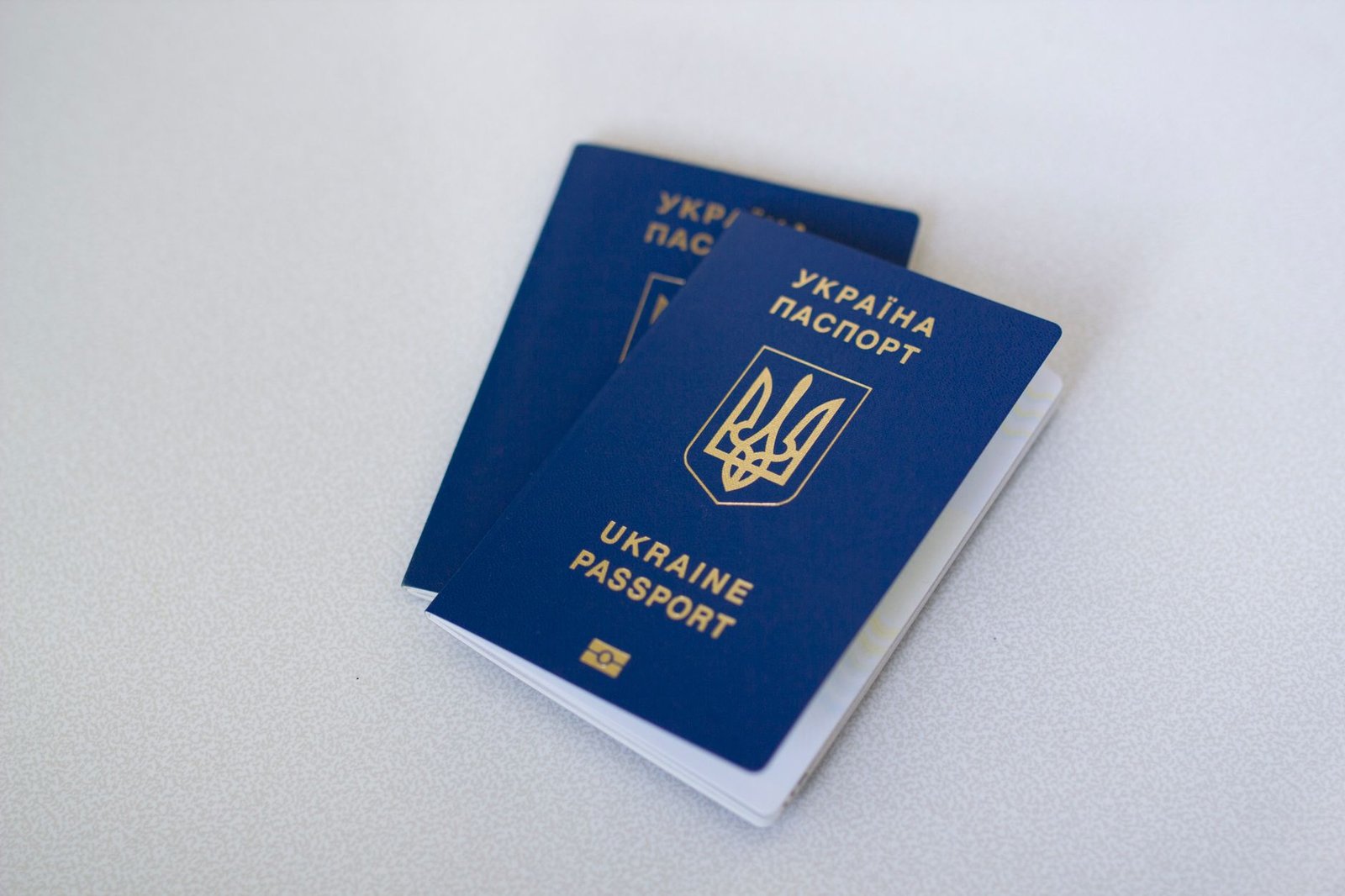
Travelers searching for france visa for us citizens should still check the current official guidance for United States passport holders. Nationality-specific rules can change, and a friend’s recent experience may not match your dates or purpose. The same principle applies if you hold another passport, dual nationality or a travel document instead of an ordinary national passport.
I’d also check whether your passport is in good condition and whether your personal details are consistent across your passport, bookings and other documents. A missing middle name, different spelling or incorrect passport number can create unnecessary questions later.
France Visa Application Step 2: Use the Correct Official Portal
The second france visa application step is finding the official information and submission route for your case. Search engines may show visa agencies, old instructions and unofficial advice before the page you need, so check the web address carefully and read the current guidance from beginning to end.
Some travelers begin by searching for france visa login details. That can be useful, but don’t rush into creating several accounts or submitting forms through multiple websites. First understand which portal applies to your location and application type. Then record the account email, password, reference number and any security information in a secure place.
If you use an agency or visa service, understand exactly what it does. An agency may help organize documents or arrange an appointment, but it cannot replace your responsibility to provide accurate information. Check its service fee, cancellation terms and correction process before paying. I prefer to know whether I’m dealing directly with an official system or paying a private company for administrative support.
Save the official guidance as a PDF or screenshot if the page allows it, and note the date you checked it. Rules, forms and document instructions can be updated. A saved copy helps you remember what you followed, but it should not replace a fresh check before submission.
If you’re still deciding where to travel in Europe, compare your likely flight dates on Aviasales for France flight options. I’d treat flight research as planning rather than a reason to book immediately, especially if your france visa application has not yet been approved.

France Visa Documents Step 3: Build a Personal Checklist
The third france visa step is preparing a personal document checklist before you open the online form. Your list should come from the current official instructions for your passport and purpose, not from a one-size-fits-all blog article.
Gather the identity and travel information you are likely to need: your passport, previous travel details if requested, intended dates, accommodation information, transport plans and evidence relevant to the purpose of your journey. You may also be asked for financial, employment, study, family or invitation documents. The exact requirements can vary, so follow the instructions connected to your application rather than assuming every traveler submits the same evidence.
Keep names and dates consistent everywhere. Compare your passport with your form, accommodation booking, flight reservation and supporting letters. If a document uses a different spelling or date format, find out how the current instructions want you to handle it before submitting.
Digital files deserve attention too. Use clear scans, readable photographs and the file format or size requested by the portal. Don’t upload a blurry image simply because it is the only copy on your phone. Scan important documents in good light, name files clearly and keep a backup folder that you can access without searching through dozens of screenshots.
I’d organize the folder in the same order as the checklist. That makes it easier to notice a missing item and simpler to find a document if the portal asks you to upload it again. Keep originals in a separate travel folder, and never send an original document to a private provider unless the official instructions clearly require it.
How to avoid weak supporting evidence
Supporting documents should explain your trip truthfully and consistently. Avoid adding irrelevant paperwork just to make the file look larger. A clear, coherent application is more useful than a disorganized collection of documents that do not connect to your itinerary.
If another person or organization is supporting your trip, check what evidence the current instructions request from them. Don’t invent an invitation, alter a document or use a template that does not accurately describe your circumstances. When something is unavailable, look for the official alternative or request clarification before you submit.
France Visa Photo Requirements Step 4: Prepare the Image Carefully
The fourth step is checking the france visa photo requirements that apply to your application and preparing a compliant image before you upload anything. Photo rules can include specifications for dimensions, background, lighting, facial position, expression, recency and file quality, so use the current official instructions rather than relying on a photo that worked for another passport process.
A professional photo service can be helpful if it understands the current requirements for your application. Tell the photographer exactly what document the image is for, then check the final file yourself. The image should be sharp, evenly lit and free from shadows, reflections or filters. Don’t retouch your appearance in a way that makes the photo less representative of you.
Glasses, head coverings, facial hair and other details can be subject to specific instructions or exceptions. Don’t guess. Read the current france visa photo requirements carefully and ask the relevant official provider or application center if your situation is unusual.
Save the original digital file and a backup copy. If the portal rejects the upload, read the error message instead of repeatedly submitting the same image. A rejection may relate to file size, dimensions or image quality rather than the photo itself.
Photo problems are easy to underestimate because the image may look perfectly acceptable on a phone screen. I’d open it on a larger display, compare it with the instructions and check that the file is not compressed beyond recognition before uploading it.
France Visa Application Step 5: Complete the Form Slowly
The fifth france visa application step is completing the form with your passport, itinerary and supporting documents beside you. I’d treat every field as important, even when it looks like a simple administrative question.
Type your name exactly as requested and compare it with the identity page of your passport. Review your birth date, nationality, passport number, issue and expiry information, purpose of travel, intended entry details and accommodation. If the form asks for employment, studies, previous travel or a contact person, answer truthfully and consistently with the evidence you plan to provide.
Be especially careful with dates. A small difference between the form, booking and supporting letter can make your itinerary appear unclear. If your plans are not finalized, don’t invent details. Check what the current instructions allow and provide the most accurate information available.
Before payment or final submission, read the complete application again from the beginning. I’d compare each section against a printed checklist and ask a trusted person to spot obvious typing errors, while remembering that I remain responsible for the final information.
Save every confirmation the system provides. Keep your reference number, payment receipt, completed form and appointment details in a secure cloud folder, on your phone and in a printed backup. A france visa login page may be useful for checking progress, but I wouldn’t rely on being able to access the account at the airport or application center.
France Visa Appointment Step 6: Prepare for Submission
The sixth france visa appointment step is getting ready to submit your documents in the exact format and location required by the current process. An appointment is not just a date in your calendar; it is a deadline for having your form, photographs, supporting evidence and identification organized.
Read the appointment confirmation closely. Check the address, arrival instructions, accepted documents, payment arrangements and whether you need printed copies. Requirements can vary by application center and place of residence, so don’t assume that a center in another city follows identical instructions.
Arrange the papers in checklist order and use a slim folder rather than carrying loose pages. Bring originals and copies only where requested. Label digital files clearly in case you are asked to show a document on a device, but don’t assume a phone image is an acceptable substitute for a required printed copy.
Plan how you’ll reach the appointment and leave time for delays. I wouldn’t schedule a non-refundable train or flight immediately after it. If you need to travel to another city for submission, think through the return journey and keep your passport secure throughout the day.
At the appointment, answer questions directly and truthfully. If staff identify a missing document or issue, listen carefully and ask what the official correction route is. Don’t argue from a social-media post or a friend’s checklist. The instructions connected to your application are the ones that matter.
If you’re applying as a france visa for us citizens traveler, check whether the current process in your place of residence includes a separate appointment provider or local submission instruction. The nationality phrase alone does not tell you where or how every applicant submits.
France Visa Step 7: Check the Result Against Your Itinerary
The final france visa step is checking the result carefully before you travel. Approval or document collection is not the moment to stop reading. Compare the issued information with your passport, dates, permitted entries, purpose and intended route.
Look for spelling errors, incorrect passport details, validity dates that do not match your plan or other information that appears inconsistent. If you see a problem, contact the official issuing channel promptly and follow its correction instructions. Don’t assume an airline or border official can fix an error at the last minute.
Keep the relevant travel documents both digitally and on paper if the official guidance recommends carrying them. Your passport should be the same document used in the application. If you renew or replace it, check the consequences before traveling rather than assuming the previous authorization transfers automatically.
Review the rest of your trip too. Your accommodation address, onward plans and transport bookings should make sense alongside the approved dates. If you change your route, extend your stay or add another destination, recheck the current rules before committing to the new arrangement.
For broader preparation habits, our guide to practical document and transport planning offers useful reminders about backups, arrival arrangements and keeping important information accessible offline. The destination is different, but the preparation principles apply to almost any international journey.
France Visa Login and Application Tracking
The france visa login process is mainly useful for accessing your application information, appointment details or messages through the relevant official system. Use the exact login page associated with your application and avoid entering personal information into a page reached through an unfamiliar advertisement or message.
If you cannot sign in, first check the email address, password reset instructions and any reference number you saved. Avoid creating duplicate accounts unless the official guidance tells you to. Keep screenshots of important status messages, but remember that a status update is not necessarily the same as a final travel document.
Processing updates can be difficult to interpret when you are eager to book the rest of the trip. I’d give myself a planning buffer, avoid relying on unverified processing promises and keep flexible reservations where practical. Don’t pay a private service simply because it guarantees an outcome that no provider can honestly control.
When your application is complete, continue checking the official channel for messages. If the authority requests additional documents, respond through the stated route and keep proof of what you sent. Never ignore a request because an old article says it is unusual.
FAQ: Common France Visa Questions
How do I start a france visa application?
Start a france visa application by confirming the current route for your passport, purpose and itinerary. Then gather the required documents, create or access the correct official account, complete the form carefully and arrange submission through the instructed channel. Don’t book around an unverified approval timeline.
What should france visa for us citizens travelers check first?
Travelers researching france visa for us citizens should begin with the current nationality-specific guidance and the rules connected to their purpose and dates. Check whether your application needs an appointment, what documents are requested and where submission takes place. Avoid assuming another US traveler’s route is identical to yours.
Where can I find the france visa login page?
Use the login link provided by the official application or appointment system you selected. Search results and emails can contain misleading links, so verify the web address before entering passport or payment information. Save the correct page and your reference details securely after creating an account.
What are the france visa photo requirements?
The france visa photo requirements should be checked in the current instructions for your application location and type. Pay attention to image dimensions, background, lighting, facial position, file format and any rules about glasses or head coverings. A professional photographer familiar with the current specification can reduce avoidable errors.
When should I book flights?
Book flights only after considering your application timeline, cancellation conditions and financial tolerance for change. If you need to compare routes first, search flexible France flights on Aviasales and compare the total fare conditions. A cheap ticket is not necessarily a good choice if changing it would be expensive.
If you’re arranging travel insurance, review EKTA travel insurance options and check the current coverage, exclusions, cancellation conditions and documentation requirements. Insurance does not replace a france visa, but it can be worth considering for medical expenses or trip disruption.
For a different destination’s official planning inspiration, you can also visit the official Morocco tourism website. Wherever you travel, pair destination information with current entry guidance from the relevant authorities.
Before You Submit: A France Visa Checklist
A short final checklist can make your france visa application feel much more manageable. Before submission, confirm the following:
- You know which passport, purpose and itinerary your application is based on.
- You used the correct official application and appointment route.
- Your name, passport number, nationality and dates match across all documents.
- Your france visa photo requirements checklist is complete and the image file is clear.
- Your supporting documents are current, readable and relevant to your circumstances.
- You saved your france visa login details, reference number and payment confirmation securely.
- You understand the appointment location, arrival instructions and document format.
- You checked the final result against your passport and actual travel plans.
For another perspective on building a practical international itinerary, our guides to Vietnam visa preparation, choosing the best time to visit Japan and planning an Ouzoud Waterfalls day trip show how document checks, timing and realistic logistics fit together. You don’t need to plan every minute, but you do need to protect the details that can affect your departure.
When you’re ready to organize the practical side, compare flights through Aviasales and review trip protection with EKTA. Check the final terms yourself, save all confirmations offline and keep your plans flexible until your france visa documents are in order.
What to Do Next With Your France Visa
Your france visa plan should now have a clear shape: confirm the correct route, gather accurate documents, prepare the photo, complete the form, attend the appointment and inspect the result against your itinerary. The process may feel administrative, but careful preparation gives you more freedom to enjoy France once the travel day arrives.
My next step would be to open the current official guidance for my passport and purpose, write down the exact documents it requests and create a folder for every file and confirmation. Then I’d check my france visa application line by line before submission. A little patience now can make the journey ahead feel much lighter.
This post contains affiliate links. If you book through them, I may earn a small commission at no extra cost to you.