Where to Stay in Tokyo: 7 Essential Areas You’ll Absolutely Love
Where to stay in Tokyo can shape the entire feel of your trip, from lively nights beneath neon signs to peaceful mornings near a temple or riverside walkway. Tokyo is enormous, wonderfully varied, and easy to find overwhelming on a first visit, so choosing the right neighborhood matters more than finding one universally perfect hotel.
I like to choose a Tokyo base according to the kind of days I want to have. Do I want late-night food and bright city energy, traditional streets and slower mornings, or a practical transport hub for exploring farther afield? Once you answer that question, where to stay in Tokyo becomes much easier to decide.
Table of Contents
Where to Stay in Tokyo for First-Time Visitors
Where to stay in Tokyo for first-time visitors usually comes down to Shinjuku, Shibuya, Asakusa, or Ueno, because these areas combine memorable surroundings with useful transport connections and a wide range of accommodation.
Tokyo’s neighborhoods feel surprisingly different from one another. One station may lead you into a forested shrine complex, while another opens onto department stores, tiny noodle counters, office towers, and packed entertainment streets. I wouldn’t try to stay in the geographic center of everything, because Tokyo doesn’t really have one. Instead, choose the area that makes your preferred experiences easy to reach.
Before booking, check the exact station entrance, the walking route with luggage, the room size, the bathroom arrangement, and the property’s cancellation terms. A hotel can look close to a station on a map but feel less convenient if the route involves several busy crossings or a long walk through a large station complex. This is particularly useful advice when researching where to stay in Tokyo Japan on a tight budget.
For airport arrival, you can check Tokyo airport transfer options with Kiwitaxi. Compare the pickup instructions, vehicle type, luggage conditions, destination details, and cancellation policy before booking. After a long flight, knowing exactly how you’ll reach your accommodation can remove a surprising amount of stress.
Where to Stay in Tokyo: 7 Areas Worth Considering
Where to stay in Tokyo is easiest to answer when you compare neighborhoods by atmosphere, accommodation style, and the kind of traveler each one suits best.
1. Shinjuku: The All-Rounder With Endless Energy
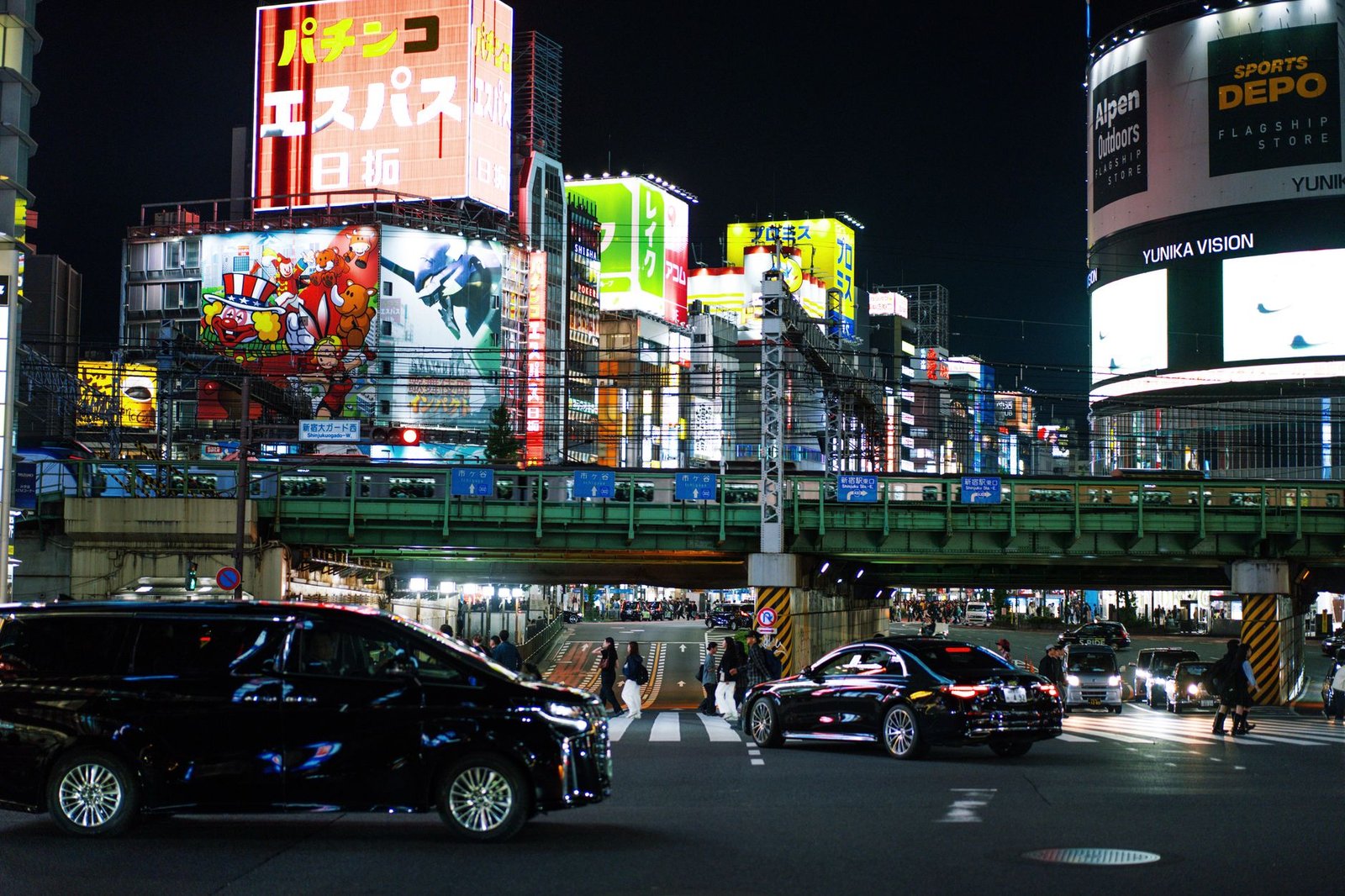
Shinjuku is one of the strongest choices for travelers who want food, nightlife, shopping, major transport connections, and a vivid introduction to modern Tokyo. It’s busy, bright, and sometimes a little chaotic, but that energy is part of the appeal.
Stay here if you want to step out for ramen, izakaya food, department-store browsing, or an evening walk without immediately needing another train. Shinjuku also gives you plenty of accommodation variety, from compact budget rooms to polished hotels and larger properties suited to families.
The area is not one single mood. Around the station, you’ll find huge commercial streets and constant movement, while nearby pockets offer tiny restaurants, bars, and quieter lanes. When comparing hotels, look beyond the label “Shinjuku” and inspect the precise location. Being near the nightlife district may be fun for some travelers and tiring for others.
Shinjuku is my practical pick for visitors who want a little of everything, especially if this is your first large-city trip in Japan. It may not feel intimate, but it makes spontaneous plans wonderfully easy.
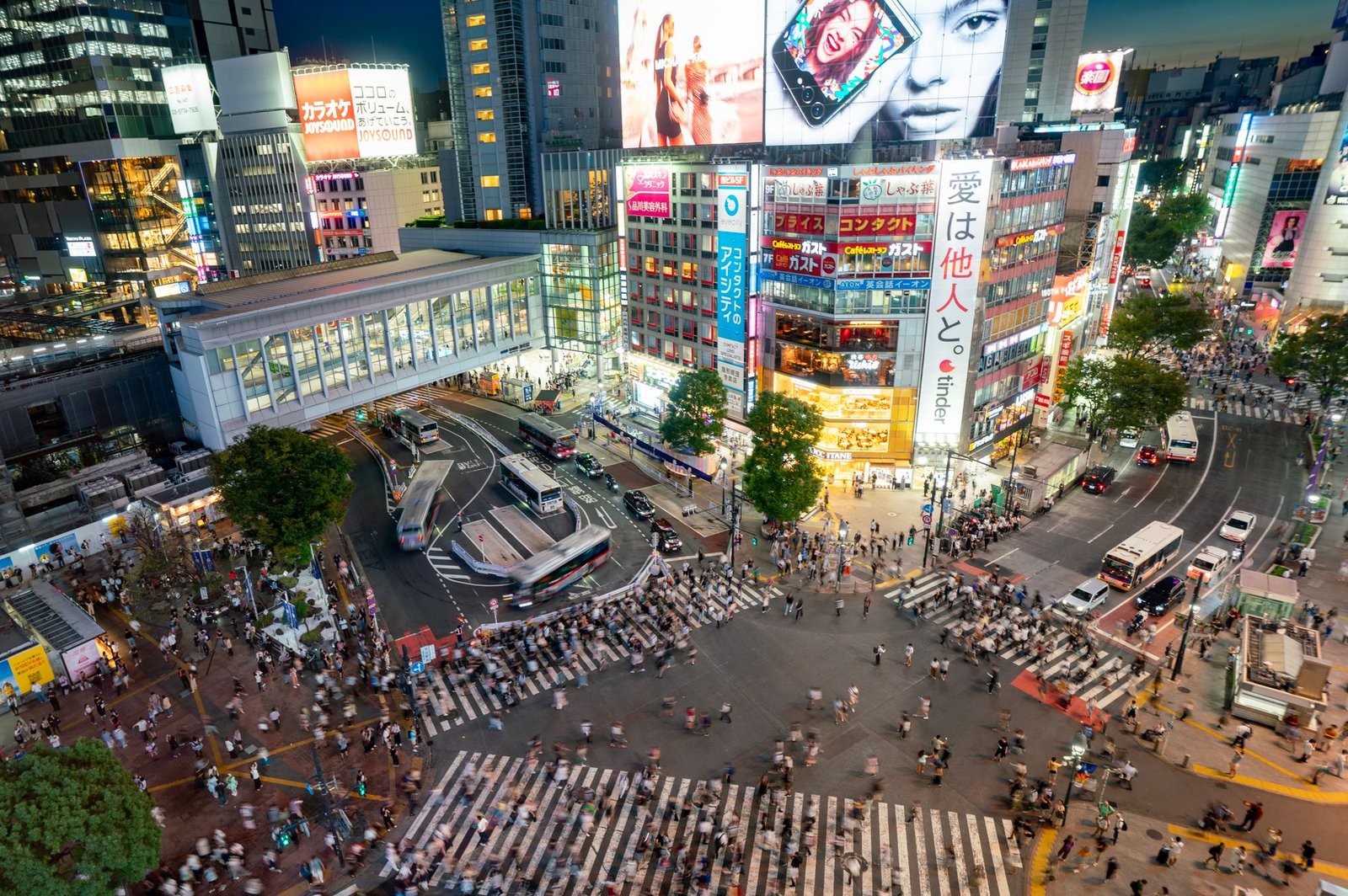
2. Shibuya: Best For Youthful City Culture and Late Nights
Shibuya suits travelers who want fashion, music, cafés, restaurants, nightlife, and the unmistakable buzz of contemporary Tokyo. It’s a natural choice if you’re drawn to design, street culture, shopping, and days that continue well into the evening.
The neighborhood is lively and highly urban, with plenty to do within walking distance. It can be a fun base for solo travelers because cafés, bars, and food counters create many low-pressure opportunities to be around people. You can spend an afternoon exploring independently, then join a small group activity or meet someone for dinner without crossing the whole city.
Shibuya accommodation can be expensive in especially popular periods, so compare room size and inclusions carefully rather than judging a property by its photographs. Capsule hotels and compact rooms may work well for travelers who plan to spend most of the day outside, while longer stays may justify looking for a little more space.
If you’re deciding where to stay in Tokyo for first timers who want nightlife and modern city culture, Shibuya is hard to overlook. Choose it for energy, not quiet.
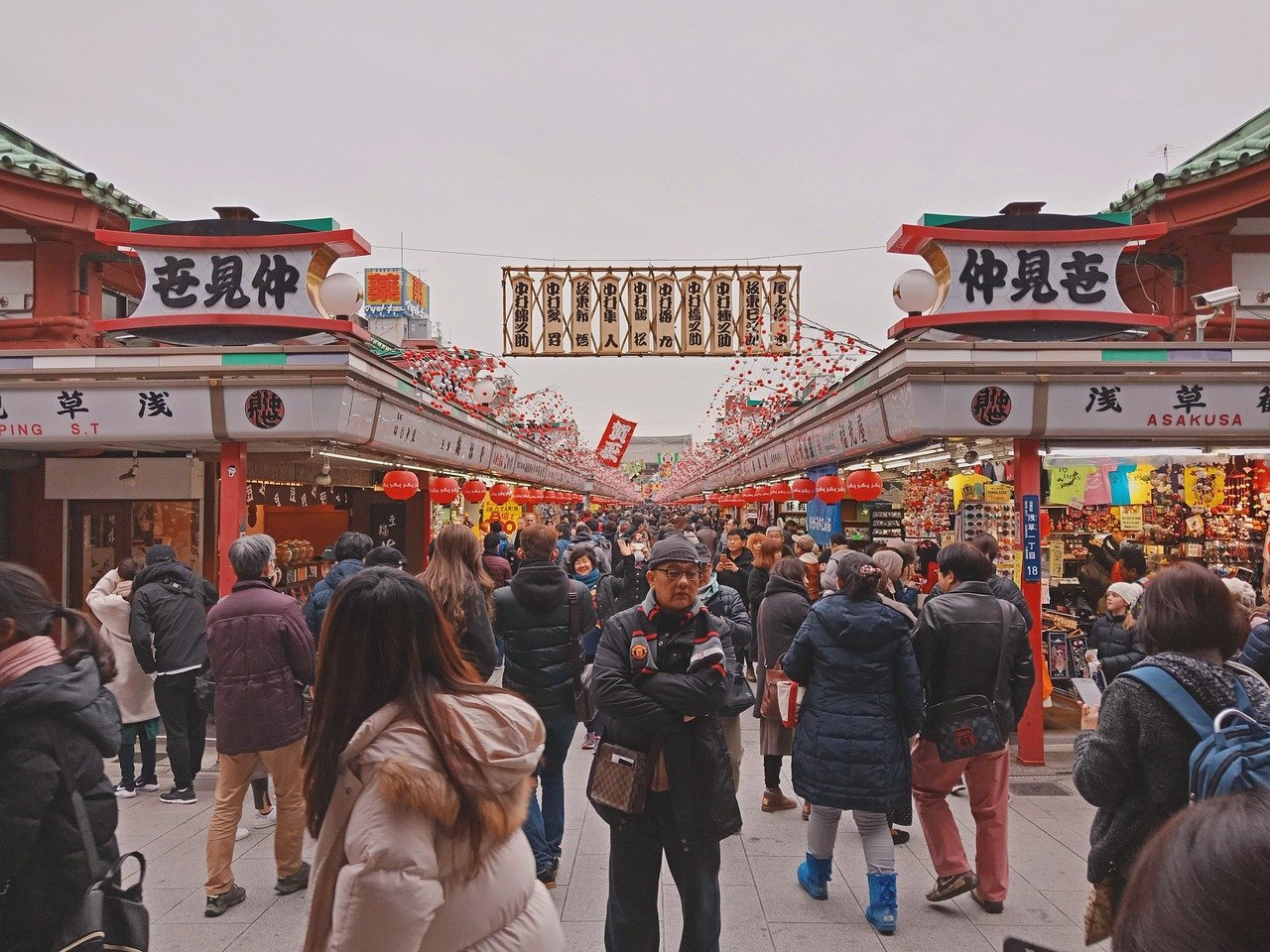
3. Asakusa: Traditional Atmosphere and Great Value Potential
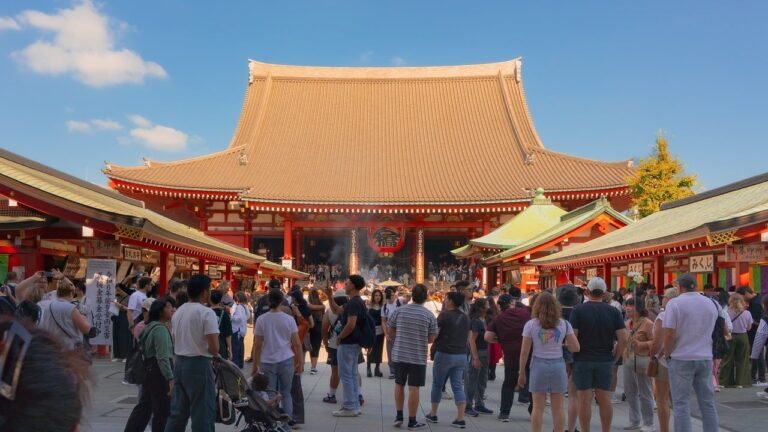
Asakusa is a strong choice for travelers who want temple architecture, traditional streets, local food, and a calmer evening atmosphere than the biggest entertainment districts. The area feels connected to an older image of Tokyo, although it remains a busy and popular visitor base.
The neighborhood works particularly well for budget-conscious travelers because you can find hostels, simple hotels, guesthouses, and apartments alongside more distinctive Japanese-style stays. I’d compare the facilities closely: a lower nightly rate may come with a shared bathroom, smaller room, firmer bedding, or limited reception arrangements.
Asakusa is lovely for an early start. Streets around the major temple area can feel very different before the day’s crowds arrive, and nearby cafés or traditional breakfast options make it easy to begin slowly. In the evening, you can enjoy a meal, walk beside the river, or return to a quieter accommodation base.
For readers searching where to stay in Tokyo Japan with culture close at hand, Asakusa often offers the most immediately atmospheric choice. It is less ideal if your priority is being surrounded by late-night clubs and contemporary fashion.
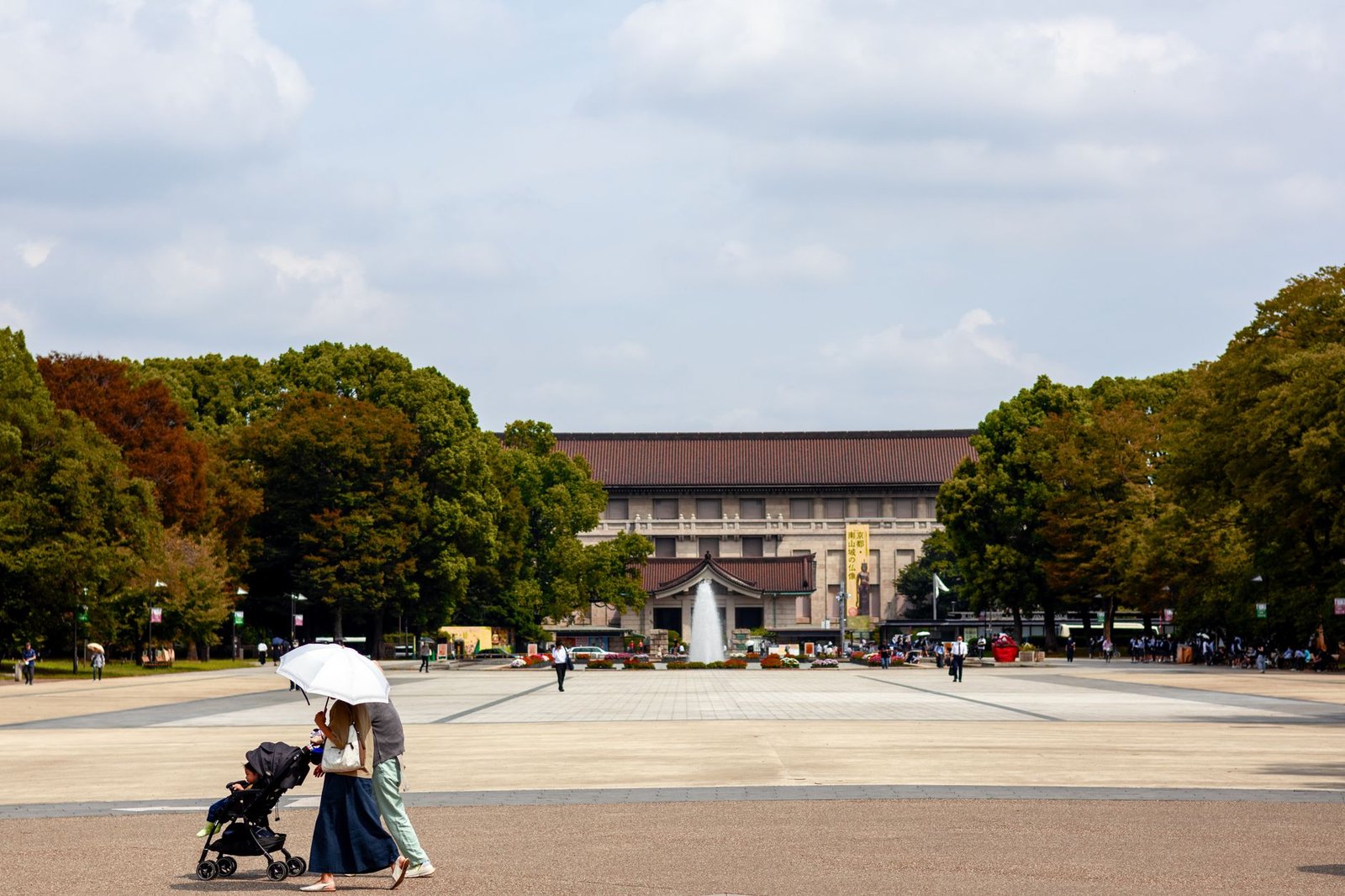
4. Ueno: Museums, Parks, and Practical Travel
Ueno is a useful base for travelers who enjoy museums, galleries, parks, markets, and a neighborhood atmosphere that feels less polished than Ginza or Shibuya. It also appeals to visitors who want practical accommodation without sacrificing access to interesting things to do.
Ueno works well for families because the area offers several ways to vary the pace of a day. You can choose an indoor cultural visit, spend time in a green space, browse market streets, or return to the hotel for a break before dinner. That flexibility matters when traveling with children or when jet lag affects everyone differently.
Accommodation ranges from hostels and business hotels to more comfortable properties, so it’s worth comparing whether your room faces a busy road, how much storage is available, and whether the layout suits your group. Families should check bed arrangements rather than assuming that two beds automatically means a comfortable setup for everyone.
Ueno is a sensible answer to where to stay in Tokyo with kids when you value museums, open space, and a straightforward neighborhood rhythm. It may feel less glamorous than Shibuya, but practicality is a genuine travel luxury.
5. Ginza and Tokyo Station: Polished, Central, and Convenient
Ginza and the Tokyo Station area suit travelers who want polished streets, department stores, restaurants, architecture, and a central-feeling base for exploring different parts of the city. The atmosphere is more refined than rowdy, although the character changes between commercial streets and quieter side roads.
This area can be a comfortable choice for travelers with limited time, business visitors, couples who enjoy restaurants and shopping, or anyone who values a well-organized hotel environment. You’ll also find a broad range of accommodation, from classic luxury properties to business-oriented hotels and compact rooms.
The trade-off is that some travelers may find the area less relaxed or less atmospheric after business hours than Asakusa or Shimokitazawa. If you want tiny neighborhood bars and a strong local nightlife scene immediately outside your door, compare other areas first.
Ginza and Tokyo Station are worth considering when researching where to stay in Tokyo for first-time visitors who want an orderly base and easy access to major transport routes. Check the hotel’s exact entrance, especially if you’ll be carrying luggage through a large station.
6. Ikebukuro: Good Variety Without the Same Spotlight
Ikebukuro is a lively, practical neighborhood with shopping, restaurants, entertainment, and accommodation at several price levels. It can suit travelers who want the convenience of a major urban hub but prefer an area that often receives less attention in first-trip planning than Shinjuku or Shibuya.
The neighborhood has plenty of everyday energy. You can browse stores, eat at casual restaurants, and find entertainment without designing every hour around major sightseeing landmarks. That makes Ikebukuro useful for longer stays, repeat visitors, and travelers who enjoy letting a city reveal itself through ordinary routines.
Families and anime fans may also find reasons to choose Ikebukuro, although the best fit depends on the specific interests of your group. Check current venue information rather than relying on an old itinerary, particularly if one attraction is the main reason for booking here.
If you’re comparing where to stay in Tokyo with kids, Ikebukuro can work when your family values shopping, food variety, and transport convenience. As always, select the hotel by its precise location and room configuration rather than the neighborhood name alone.
7. Shimokitazawa: Independent Shops, Music, and a Local Feel
Shimokitazawa is a good match for travelers who prefer vintage shops, independent cafés, small music venues, relaxed bars, and a neighborhood that feels creative rather than corporate. It offers a different side of Tokyo and rewards visitors who enjoy wandering without a checklist.
The area can be especially appealing to solo travelers. A café counter, record shop, small performance, or casual bar creates natural opportunities to observe local life and start a conversation. You don’t need to turn every evening into a social event; simply being in a neighborhood with plenty of small-scale activity can make solo travel feel less isolated.
Shimokitazawa is not the obvious choice for someone who wants every major attraction nearby, and accommodation options may be more limited than in larger hubs. Still, it’s a compelling base if your idea of a good Tokyo day involves browsing, eating slowly, and following a street that looks interesting.
For where to stay in Tokyo Reddit discussions, Shimokitazawa often appears as a suggestion for travelers seeking something beyond the standard first-visit route. Treat online recommendations as starting points, then confirm the current feel, access, and accommodation details yourself.
Where to Stay in Tokyo With Kids and Families
Where to stay in Tokyo with kids is usually best decided by daily energy, room layout, and access to food rather than by the neighborhood’s prestige.
Ueno and Asakusa are strong candidates for families who want museums, parks, traditional sights, and a more manageable evening rhythm. Shinjuku and Ikebukuro can also work when your children enjoy bright city streets, shopping, and a broad restaurant selection. Ginza may suit families who prefer polished hotels and a quieter nighttime atmosphere.
I’d prioritize a room with enough floor space for luggage, beds that match your family, a useful bathroom arrangement, and a nearby convenience store or simple breakfast option. Ask whether the property allows children, whether there are extra-bed limitations, and whether the elevator or stairs are practical with a stroller.
Tokyo days involve plenty of walking, waiting, and sensory stimulation. A hotel near food and a convenient station can be more valuable than a room with a famous view. Build in a return-to-hotel break, even if it means skipping one attraction. The city will still be there tomorrow.
How to Choose Where to Stay in Tokyo on a Budget
Choosing where to stay in Tokyo on a budget means balancing nightly cost against station access, room size, facilities, and the time you’ll spend getting around.
Hostels and capsule hotels can be excellent for solo travelers who value social spaces and only need a place to sleep. Business hotels often provide compact private rooms with predictable facilities, while apartments may suit longer stays or travelers who want cooking and laundry options. Read the current rules carefully before booking, especially around check-in, luggage storage, and cleaning.
Don’t compare only the headline rate. Include taxes or additional charges shown during booking, transport to and from the airport, breakfast if you’ll use it, and the cost of buying essentials because your room has limited facilities. A slightly more expensive room near a useful station can sometimes make the overall trip easier, but I’d compare the actual details rather than assume.
Neighborhood choice also affects your spending habits. Staying among expensive department stores may tempt you toward pricier meals, while Asakusa, Ueno, and Ikebukuro offer plenty of casual options. There’s no need to avoid Ginza or Shibuya; simply decide which experiences deserve your budget.
When comparing accommodation for a wider Japan trip, our guide to the best time to visit China is a reminder that regional planning matters. Tokyo has its own rhythms, so check the conditions and events relevant to your actual dates rather than copying advice for another destination.
FAQ About Where to Stay in Tokyo
Where to stay in Tokyo first time if I want to see the main sights?
For where to stay in Tokyo first time, start by comparing Shinjuku, Shibuya, Asakusa, and Ueno. Shinjuku and Shibuya suit travelers who want modern city energy, while Asakusa and Ueno offer more traditional or cultural surroundings. Choose the neighborhood that matches your evenings, not just your daytime sightseeing list.
Where to stay in Tokyo for first timers on a short trip?
Where to stay in Tokyo for first timers on a short trip is often a choice between Shinjuku and Asakusa. Shinjuku makes spontaneous food and nightlife easy, while Asakusa gives you a strong sense of place and a calmer base. If museums and family-friendly pacing matter most, consider Ueno.
What does where to stay in Tokyo Reddit advice usually miss?
Where to stay in Tokyo Reddit recommendations can be useful for discovering neighborhoods, but posts may be dated or based on a very different travel style. Check the publication date, confirm the hotel’s current information, and remember that a backpacker’s ideal room may not suit a family or a traveler with luggage.
Where to stay in Tokyo Japan for a more local atmosphere?
For where to stay in Tokyo Japan with a more local-feeling rhythm, consider Shimokitazawa, Asakusa, Ueno, or selected parts of Ikebukuro. “Local” does not mean empty or undiscovered; these are active neighborhoods with residents, businesses, and visitors. Explore respectfully and avoid treating ordinary streets as a backdrop.
If Tokyo is part of a longer Asia itinerary, our guides to things to do in Johannesburg and things to do in Cape Town South Africa offer another useful planning lesson: choose a few areas, allow recovery time, and leave space for experiences that aren’t visible from a map.
What to Book Before Your Tokyo Trip
Before choosing where to stay in Tokyo, I’d confirm your arrival plan, accommodation location, and mobile data needs so the first day feels straightforward.
For airport arrival, arrange a Tokyo transfer with Kiwitaxi if a pre-booked pickup suits your route and luggage. For connectivity, you can compare Japan eSIM options on Airalo. Check your phone compatibility, activation instructions, data allowance, and whether you need to install the eSIM before departure.
These tools won’t replace a thoughtful neighborhood choice, but they can make the first hours easier. Use the hotel’s full address, save it offline, and confirm whether the driver or property uses a particular entrance or meeting point.
When you’re ready to organize the practical details, Kiwitaxi can help with an arrival transfer and Airalo can help you compare Japan eSIMs. Review the current terms carefully before booking, then save the confirmation details where you can reach them without searching through your inbox.
What to Do Next
Where to stay in Tokyo becomes much simpler once you choose the mood you want: Shinjuku for variety, Shibuya for contemporary energy, Asakusa for tradition, Ueno for culture and practical family travel, Ginza for polish, Ikebukuro for flexibility, or Shimokitazawa for independent neighborhood life.
My next step would be to shortlist two areas, compare the exact hotel locations on a map, and read the room details before looking at the price. Then choose one base that makes your favorite kind of day easy. Where to stay in Tokyo should support your adventure, not become another puzzle to solve.
This post contains affiliate links. If you book through them, I may earn a small commission at no extra cost to you.